Army must optimize for uncertainty
A retired Army major general argues the service must abandon attempts to predict future wars and instead design a force structure built for rapid
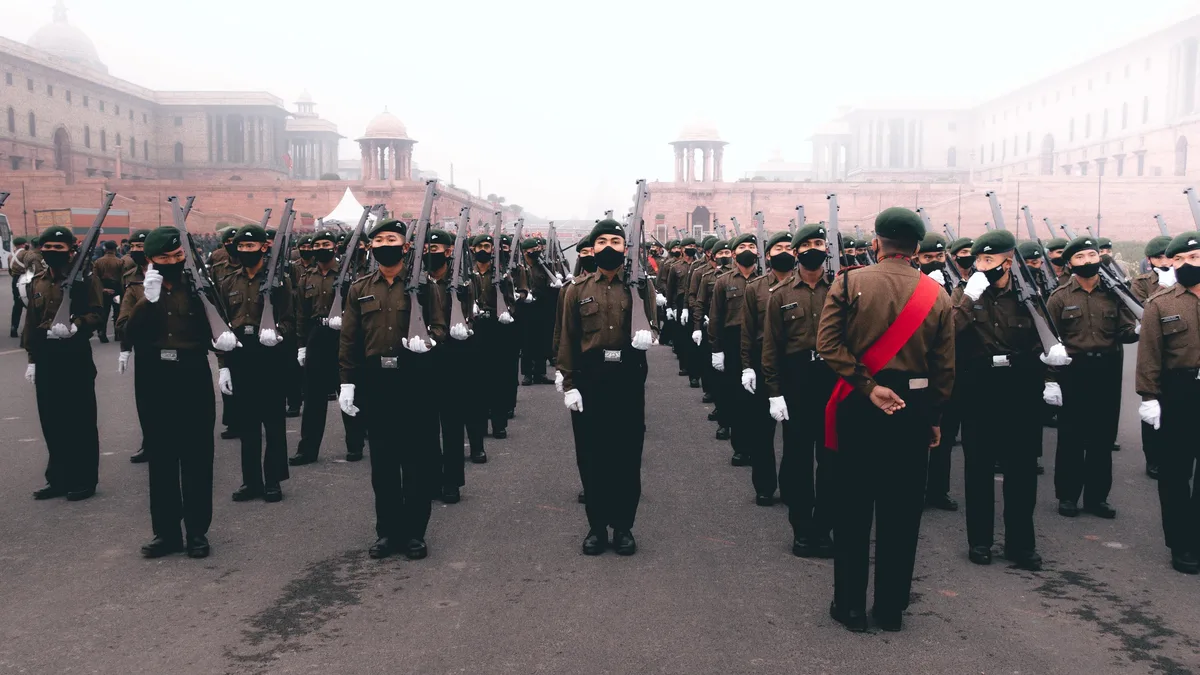
A retired U.S. Army major general argues the service must stop trying to predict the next war and instead design a force structure optimized for rapid adaptation. John G. Ferrari, a senior nonresident fellow at the American Enterprise Institute, contends that presidential crises, from Pearl Harbor to the October 7 attacks in Israel, have consistently arrived with little warning, demanding immediate Army action.
For most of the Army's history, responding to such unforeseen demands has required improvisation. Ferrari points to the Iraq War, where the Army converted field artillery and armor units into infantry units to meet the demand for more infantry. This worked, but it was an ad hoc solution executed under fire, costing valuable time.
The Growing Danger of Improvisation
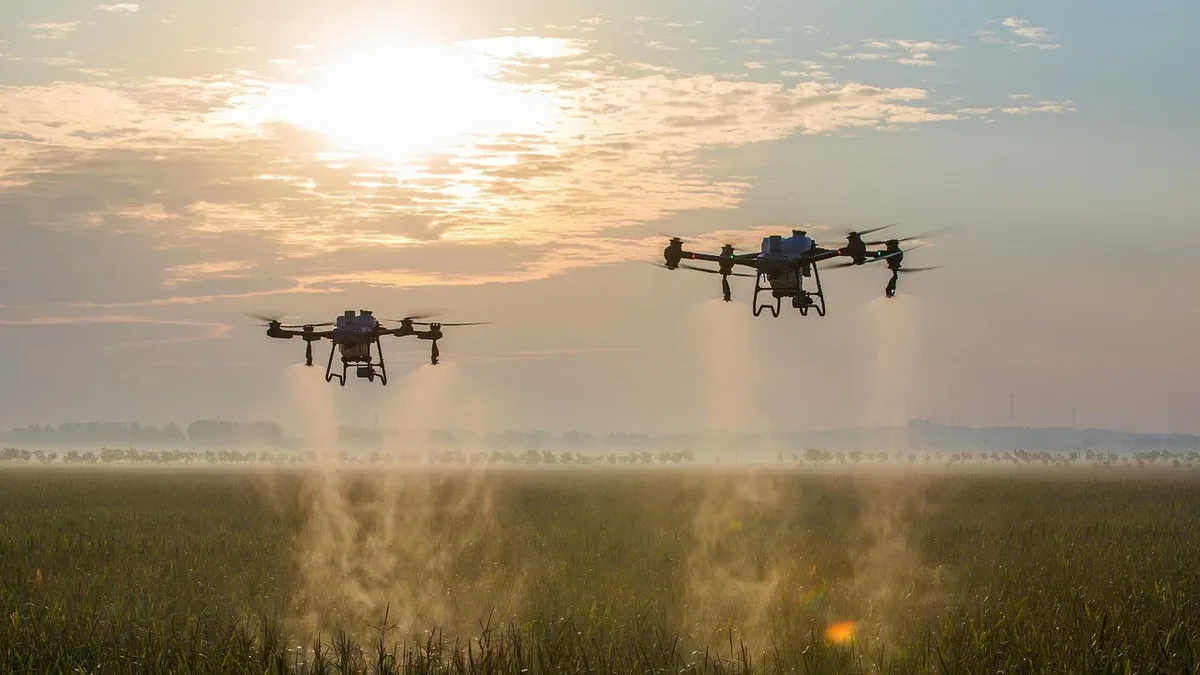
Ferrari states that this pattern of scrambling to adapt is becoming more dangerous for two key reasons. First, America's geographic advantages have eroded. Oceans once provided time to mobilize, but now cyberattacks ignore borders, commercial satellites provide global surveillance, and small drones built from commercial components can strike critical infrastructure thousands of miles away. The homeland itself is now part of the battlefield.
Second, technology now changes faster than the Army can reorganize. While software, autonomy, robotics, and artificial intelligence reshape warfare on timelines measured in months, acquisition programs still measure success in decades. By the time a force is perfectly optimized for a specific threat, the assumptions behind its design may already be obsolete.
Designing for Adaptability, Not Prediction
The lesson, according to Ferrari, is clear. Trying to predict the next war more accurately is futile. The Army should stop optimizing for prediction and start optimizing for uncertainty. Its force structure should be designed to answer one core question: how quickly can it change when the president's problem changes?
The future Army should be judged not by how many specific tools it carries but by how fast it can rearrange the ones it has. Ferrari uses the analogy of a Transformer toy versus a Swiss Army knife. A Swiss Army knife carries a fixed set of tools and hopes one fits. A Transformer changes shape to meet the problem in front of it.
To achieve this, Army organizations should be built to change as missions change. Headquarters should stay stable while capabilities like air defense, engineers, logistics, cyber, and long-range fires become modular. These modules should be assembled and reassembled as demands dictate, a process the Army calls task organization. Making this deliberate and routine is the goal.
Routinizing task organization requires standardized interfaces. Common mission-command systems and data standards would enable any capability to link to headquarters. Streamlined certification standards and training rotations would ensure commanders know how to use capability packages they don't typically own.
Modernization as Continuous Absorption
The same logic applies to modernization. Ferrari argues the future demands organizations able to absorb new software, autonomous systems, sensors, and communications architectures continuously, without breaking readiness. Success is not how often the Army fields a new platform, but how fast operational units fold innovation into everyday operations.
Critics may warn an adaptable Army becomes a jack of all trades and master of none, but Ferrari disagrees. This is not an argument for doing everything, he states. It is an argument for being prepared to do anything. Designing for adaptability stops a chronic cycle of making assumptions about future war, rebuilding the Army based on those assumptions, and then starting over when the assumptions prove faulty.
Force structure debates are often fixated on numbers: how many brigades, heavy or light, active or Reserve. Ferrari says those matter, but they are no longer the first-order questions. The primary questions must now be: Can the Army reorganize faster than the next crisis develops? Can it integrate emerging technology without waiting for a decade-long doctrine cycle? Can it give the president credible options with no warning and no time to prepare?
For generations, the Army optimized for mass, then for efficiency, then for persistence. The defining characteristic of the next Army, Ferrari concludes, should be that it no longer has to improvise. It should be organized to become whatever the nation needs, not because the president knows what the next crisis will be, but because nobody does.