Malaysia selects Turkish Atmaca missile to replace blocked Norwegian NSM
Malaysia has chosen Turkey's Atmaca anti-ship missile to replace the banned Norwegian NSM for its Littoral Combat Ships, aiming to overcome a critical weapons gap and project delays.

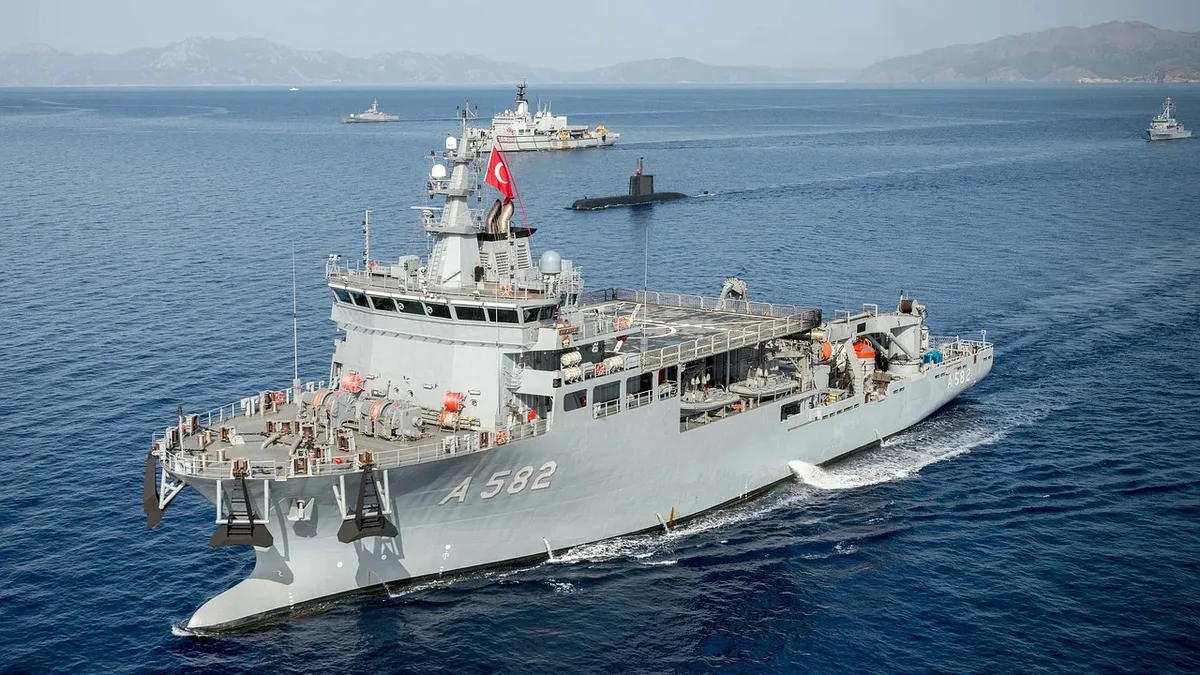
The Royal Malaysian Navy will equip its new Littoral Combat Ships with Turkish-made Atmaca anti-ship missiles. Defence Minister Datuk Seri Mohamed Khaled Nordin announced the selection on 12 November, naming Roketsan's Atmaca as the preferred replacement for Kongsberg's Naval Strike Missile after Norway blocked its export.
Malaysia is now pursuing formal negotiations with Türkiye to finalize the procurement. The decision followed an evaluation of proposals from three countries, which also included France and Italy. Minister Nordin stated the Atmaca was judged superior on both cost and delivery timeline, with its effectiveness rated higher than competing systems.
Atmaca delivery accelerated by existing LMS order
Procurement of the new missile will be faster and less costly due to a prior order. Malaysia has already ordered 24 Atmaca missiles for its separate Littoral Mission Ship Batch 2 program. This existing contract means delivery for the LCS fleet could be accelerated, potentially by 2029. A completely new missile procurement would typically take about 30 months and cost between RM700 million and RM900 million, expenditures Malaysia will now avoid.
The government has accepted it will not receive the Norwegian NSM missiles despite having paid for them. Approximately 95% of the original $145 million NSM contract, signed in 2018, had been settled. Malaysia is seeking about $257 million in damages from Kongsberg Defence & Aerospace.
Integration challenges with French SETIS combat system
A significant technical hurdle remains in fitting the Turkish missile onto French-built ships. Each Littoral Combat Ship is equipped with the SETIS combat management system from France's Naval Group. While Malaysia has received assurances of the Atmaca's compatibility, key technical integration aspects are reportedly unresolved.
Successful integration would require cooperation from France's Naval Group and its defence procurement agency, the DGA, on technical interfaces. A simpler fallback option being considered is installing a standalone firing console in the Combat Information Centre, which would not require modifying the core SETIS system. The Atmaca has already been fully integrated with Turkish combat systems like GENESIS and ADVENT on other vessels.
Dispute with Norway over NSM export block
Malaysia is engaged in a formal dispute process with Norway following its export ban. Norway's government decided in March to block NSM exports, citing a new policy that restricts sensitive defence technologies to NATO members and close partners. Malaysia is now establishing a dispute resolution committee with Norway, with arbitration possible in Kuala Lumpur.
The first stage of negotiations for an amicable settlement ended without agreement. The government has stated it will not wait for the outcome of this dispute or the return of funds before proceeding with the Atmaca alternative. The export block was a major risk flagged by Malaysia's Auditor General.
LCS construction lagging behind schedule
The missile problem is compounding existing delays in the flagship warship program. Overall construction progress across the five Littoral Combat Ships was 80.72% complete as of 25 September, which is 9.19 percentage points behind the planned schedule. The dispute over the NSM has directly contributed to a delay in delivering the lead ship, the Maharaja Lela.
Its handover has been pushed from December 2026 to April 2027. The shipbuilder, Lumut Naval Shipyard, cited the need to remove already-installed NSM launchers to maintain an unbroken chain of custody for export control as one cause of the delay. The Maharaja Lela is currently undergoing sea trials and has completed live-fire tests using its Bofors 57mm main gun.
Other critical armaments for the ships also remain unresolved. The Auditor General highlighted a lack of finalized contracts for the VL-MICA surface-to-air missiles, 57mm ammunition for the Bofors gun, and an integrated decoy launching system. Proceeding with the original handover target would have delivered an incomplete ship lacking full combat capabilities and crew training. Malaysia will begin intergovernmental negotiations with Türkiye to finalize the Atmaca procurement, aiming to field the missiles ahead of the revised LCS delivery schedule.