Drones and uncrewed systems
| Country of origin | Spain |
|---|---|
| Original use | Intelligence, surveillance, and reconnaissance |
| Operator | Spanish Armed Forces |
| Primary deployment | Land, maritime, and air domains |
| Control system | Remotely piloted or autonomous |
| Typical payloads | Electro-optical sensors, radar, communications equipment |
Origin and history
The development of unmanned aerial systems has a multinational history, with significant contributions from several nations over decades. Early remotely controlled aircraft were experimented with in the early 20th century, primarily for target practice. The modern era of drone technology, however, began to accelerate in the latter half of the 20th century, driven by military research and development programs. Key foundational work was conducted in the United States and Israel, particularly from the 1970s onwards, leading to the first widely recognized reconnaissance and surveillance platforms. The term "Drones Y Sistemas No Tripulados" itself is the Spanish designation for the broader technological category of Drones and Unmanned Systems. This field has since evolved into a global industry, with numerous countries now developing and manufacturing their own systems for both military and civilian applications. The historical progression is marked by a shift from simple radio-controlled vehicles to complex, integrated systems with advanced autonomy.
What it is for
Drones and unmanned systems serve a wide array of functions within a military context, fundamentally extending the sensory and strike capabilities of a force without direct human risk. Their primary role is intelligence, surveillance, and reconnaissance (ISR), providing persistent, overhead observation of areas of interest. They are used for target acquisition, where they identify and laser-designate targets for other weapon systems. Certain armed drone platforms are designed for precision strike missions, carrying and deploying guided munitions against ground targets. Beyond direct combat roles, they are employed for force protection, patrolling perimeters of bases and monitoring convoy routes for threats. Additional military applications include battlefield damage assessment, electronic warfare by jamming enemy communications, and logistics support through experimental cargo delivery. These systems create a layered network of information and engagement that enhances situational awareness and operational reach.
Pros and cons
A primary advantage of unmanned systems is the removal of the pilot from the aircraft, eliminating the risk of crew loss or capture and allowing for operations in environments deemed too hazardous for manned flights. They offer significant endurance, capable of loitering over a target area for many hours, far exceeding typical manned aircraft crew fatigue limits. Operationally, they can be more cost-effective than sophisticated manned aircraft for certain persistent surveillance tasks. However, a major con is their vulnerability to sophisticated electronic warfare and cyber-attacks, which can jam control links, spoof GPS signals, or even allow for hostile takeover of the platform. The reliance on satellite communications and data links creates a potential single point of failure, making them susceptible to disruption in contested environments. Another significant drawback is the political and ethical scrutiny surrounding their use for lethal strikes, particularly outside declared combat zones, which can lead to diplomatic complications and public controversy. Users often regret underestimating the extensive logistical tail and specialized personnel training required to operate and maintain these complex systems effectively.
Who it suits
This technology suits military forces seeking to enhance their intelligence-gathering and precision strike capabilities while mitigating risks to personnel. It is particularly suited for nations with extensive, remote, or difficult-to-patrol borders that require constant surveillance. Forces engaged in protracted counter-insurgency or counter-terrorism campaigns, where persistent observation and timely, precise engagement are critical, have historically been primary adopters. It also suits militaries with budgetary constraints that prevent the procurement of large fleets of advanced manned fighter aircraft, as some unmanned platforms offer complementary capabilities at a lower acquisition cost. Nations aiming to develop indigenous aerospace and technology sectors may invest in unmanned systems as a strategically viable entry point compared to manned fighter programs. Conversely, it is less suited for forces that lack the necessary communications infrastructure, cybersecurity expertise, or legal frameworks to deploy them responsibly and effectively.
Latest Drones and uncrewed systems news
Latest reporting
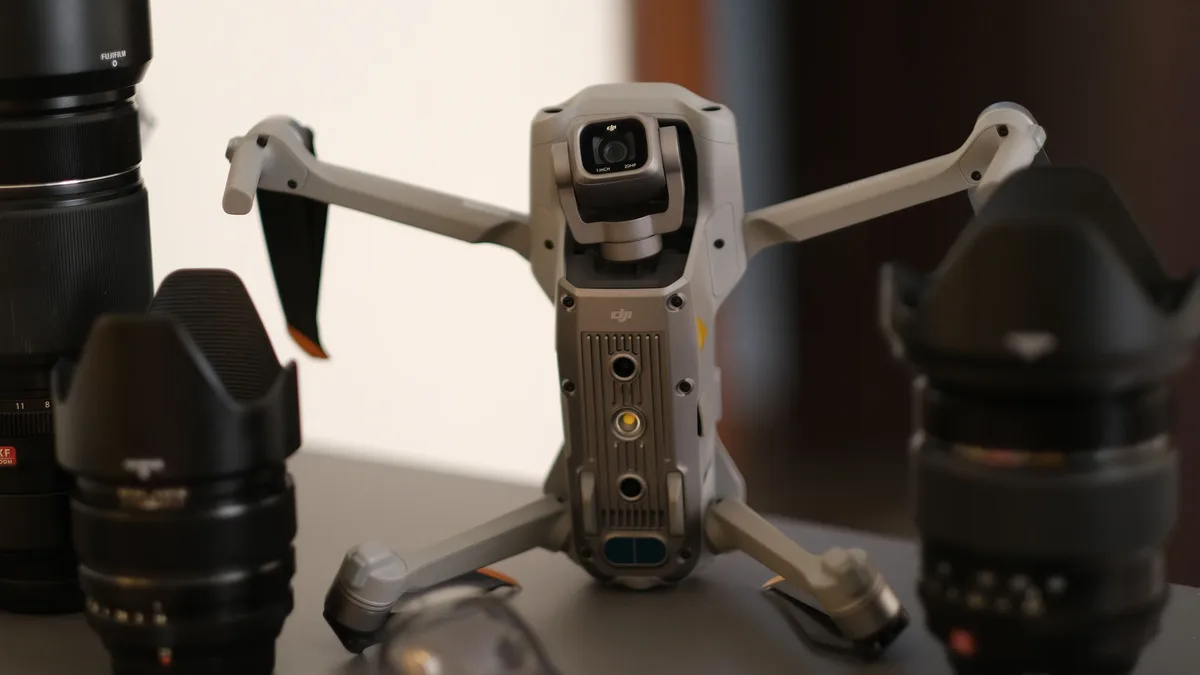
Pentagon Seeks Border Tech Testbed Expansion
A senior Pentagon official says the U.S.-Mexico border has become a testbed for new military tech like lasers and drones, with hopes to expand...
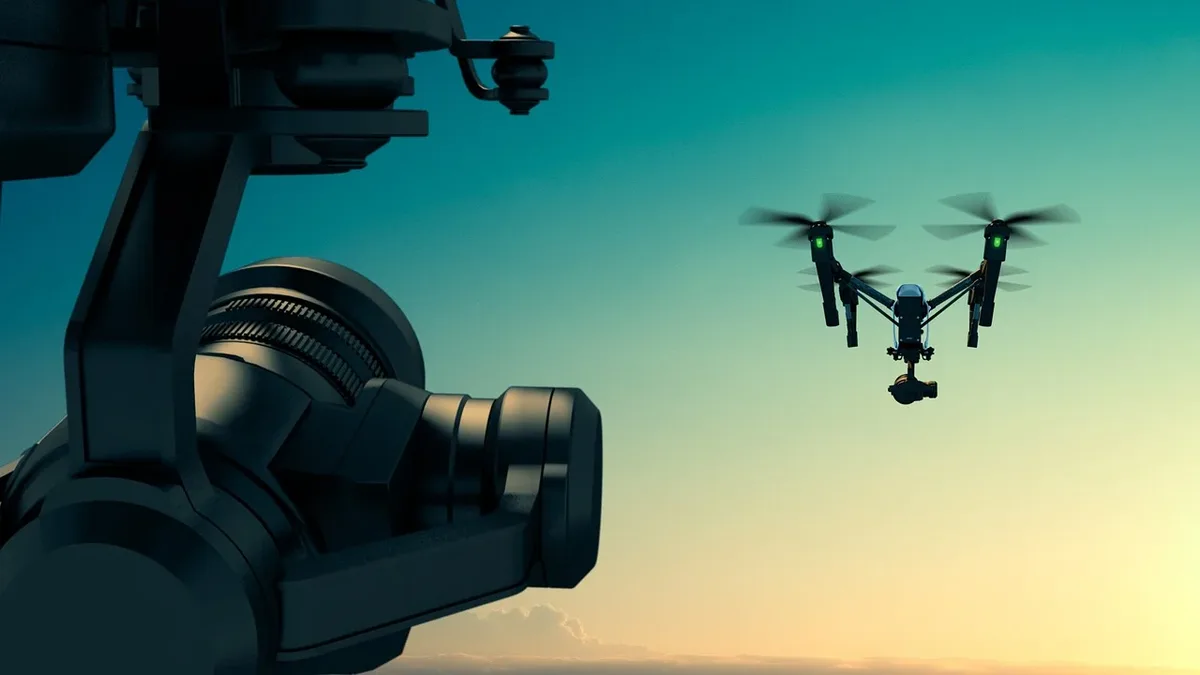
Central American Forces Deploy Drones Against Crime
Honduras, Guatemala, and Panama are acquiring unmanned aerial systems and surveillance technology to monitor borders and combat drug trafficking...
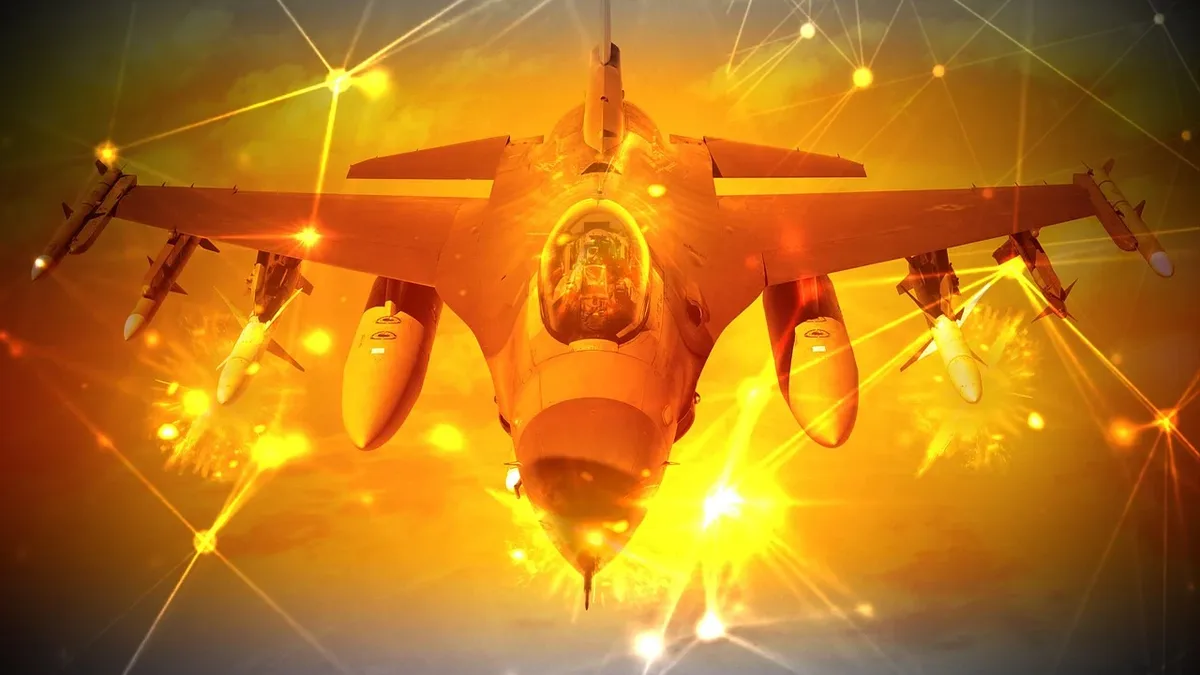
US Air Force seeks portable air defense guns
The US Air Force is soliciting proposals for a new portable, medium-caliber gun system to defend overseas bases from drones and cruise missiles...
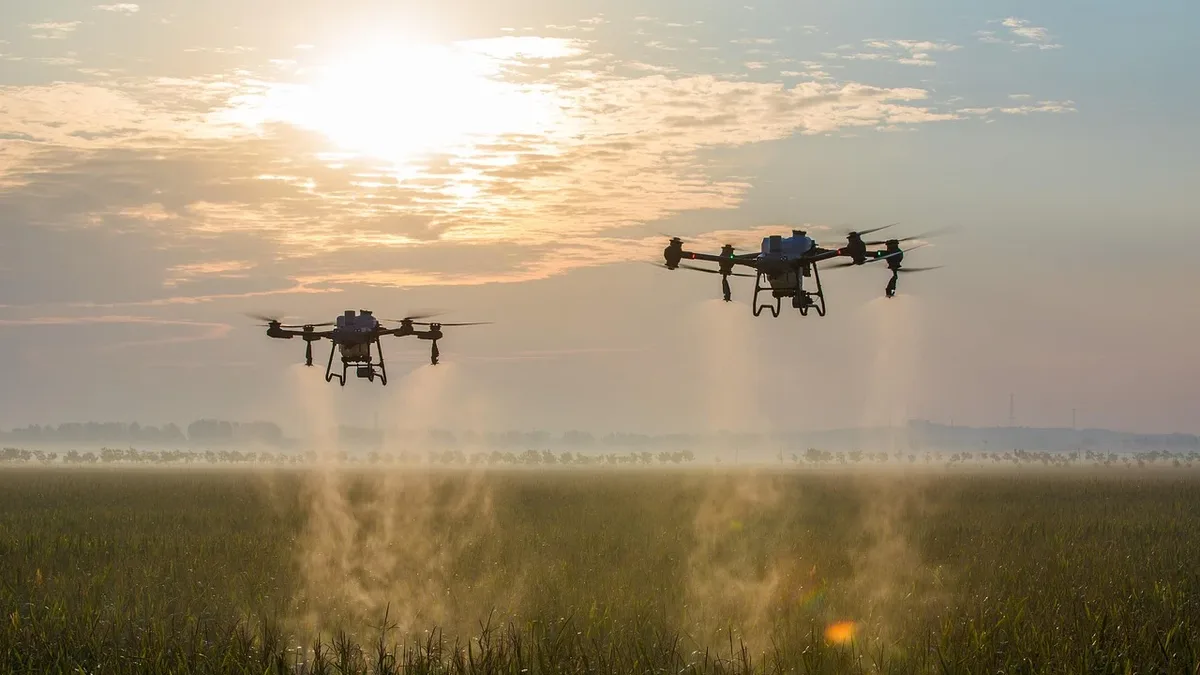
Pentagon warned against stockpiling obsolete
A senior officer argues that mass-producing and stockpiling drones risks creating vast inventories of useless equipment as adversaries adapt, urging a
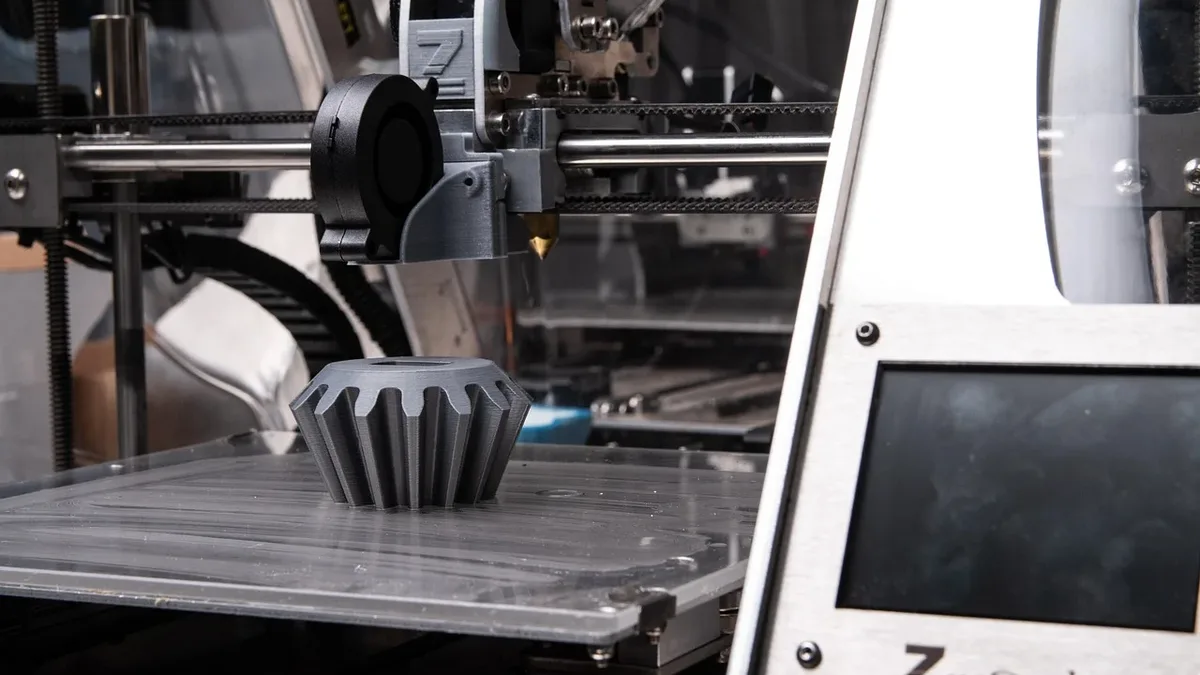
Japan orders mass-produced 3D-printed drones
Japan's Acquisition, Technology, and Logistics Agency (ATLA) has signed a mass production agreement for the Terra B1 interceptor drone, developed by...
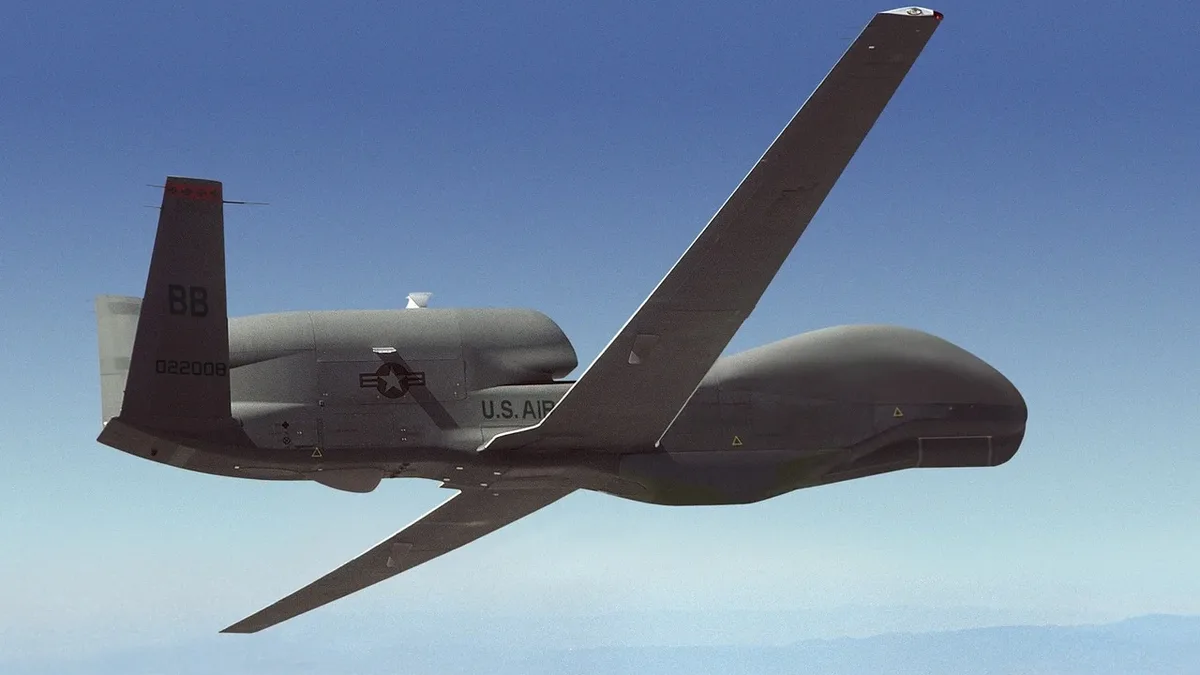
US border task force uses AV laser to down
The Pentagon's Joint Task Force - Southern Border used an AeroVironment directed-energy system to shoot down three hostile drones.