Navy shipyard modernization cost timeline GAO report 200
A GAO report reveals the Navy's shipyard modernization program could cost $200 billion and take 50 years, far exceeding initial estimates and raising
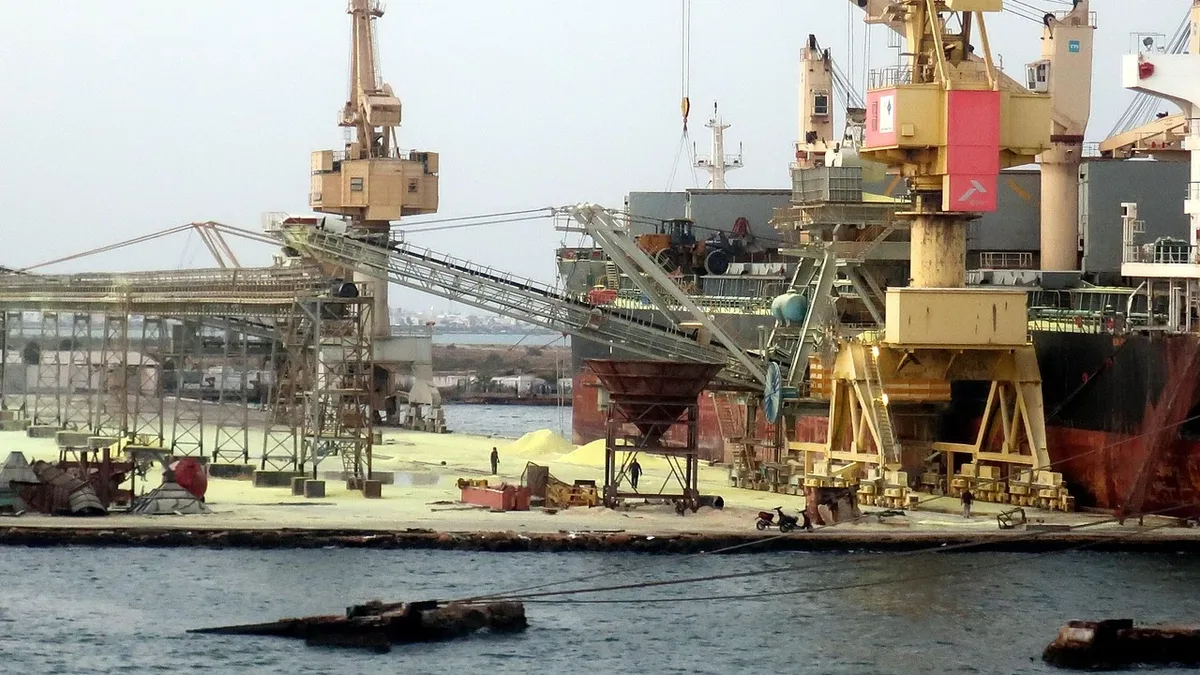
The Government Accountability Office confirmed the Navy’s shipyard modernization effort could take 50 years and exceed $200 billion, far beyond the original $21 billion and 20-year estimate. The GAO released its report on the Shipyard Infrastructure Optimization Program, or SIOP, on September 25.
Developing plans and cost estimates for rebuilding the four public shipyards has taken the Navy years longer and will cost much more than originally anticipated. The price tag has grown noticeably since the program started. Navy officials overseeing SIOP said last year that the initial estimates were outdated. The GAO report states the initial estimate omitted key costs.
Scope expanded by technical, environmental, and operational factors
Seismic risks, added projects, lessons learned, and evolving fleet requirements have driven up costs and extended timelines since the program began in 2018. SIOP aims to upgrade drydocks and standard equipment at four public shipyards in Virginia, Maine, Washington, and Hawaii. These shipyards oversee repairs for the Navy's nuclear-powered aircraft carrier and submarine fleet.
Commodity price increases are driving up costs and adding time. Seismic concerns at Puget Sound Naval Shipyard require needed retrofits and construction. More shipyard construction and repair projects have been added to SIOP since its launch. The Navy has implemented design changes from lessons learned from projects already underway.
Costs for dry-dock projects in Portsmouth and Pearl Harbor grew by more than $2.5 billion since funding was originally requested from Congress. Diana Moldafsky, who directed the GAO review, said the program is based on a set of assumptions about the future fleet. Those projections are likely to change over the years.
Oversight gaps leave Congress without full program visibility
The Navy is not required to deliver a consolidated report on SIOP costs and risks, forcing Congress to rely on fragmented updates. The Navy shares updates on various aspects of SIOP instead of a consolidated report. Without a full picture of spending, remaining funding, and risks, Congress could make consequential decisions based on incomplete information. This risks billions in taxpayer dollars and lack of program oversight for decades to come.
The Navy has established an oversight framework for SIOP using some tools from major defense acquisition programs. That framework does not specify how the Navy will periodically reassess the program’s objectives and resources over the coming decades. The effort lacks plans for regular reviews of its progress. The lack of oversight and evaluations risks further cost increases and new challenges.
The GAO made three recommendations to the Navy to address these gaps. It urged Congress to consider requiring annual, standardized reports on SIOP for the duration of the program. Those reports would show total spending to date and an analysis of program risks. Major defense acquisition programs must provide such annual status reports, but SIOP is not required to.
Expected readiness gains and unresolved questions
While officials project improved carrier and submarine maintenance availability after SIOP completion, the program’s long duration risks misalignment with future warfighting needs. Navy officials predicted a 10 percent improvement in aircraft carrier maintenance after SIOP completion. They also predicted a 15 percent improvement for submarine maintenance.
Typical submarine maintenance availability lasts 25 to 36 months. SIOP-related improvements would reduce submarine maintenance availability by approximately three months. The shipyards are essential to maintaining operational readiness for the Navy’s carriers and submarines. They currently have outdated infrastructure and poor conditions.
Without building regular reviews into key future decision points, the Navy is limiting its ability to ensure that SIOP’s plans today continue to be aligned with future fleet needs. The Navy has agreed to implement GAO’s three recommendations, including steps for periodic reviews and standardized reporting to Congress.