Pentagon Seeks Border Tech Testbed Expansion
A senior Pentagon official says the U.S.-Mexico border has become a testbed for new military tech like lasers and drones, with hopes to expand experiments
The Pentagon wants to expand its use of the U.S.-Mexico border as a testing ground for emerging military technologies, including high-energy lasers and unmanned systems. Mark Ditlevson, the assistant secretary of defense for Homeland Defense and Americas Security Affairs, told Breaking Defense that future projects depend on sufficient funding from Congress.
Congress passed a continuing resolution to fund the department from the start of fiscal 2027 on October 1 through early December. The Pentagon's full $1.15 trillion base budget request for FY27, along with a separate $350 billion reconciliation deal, remains under debate and its passage is uncertain.
Testing Unmanned Systems
The department is currently assessing technology already deployed and exploring new applications. One project involves monitoring the Rio Grande border area with 10 Lightfish unmanned surface vessels (USVs) as part of a broader study on autonomy and network integration.
Following positive feedback on these sensor platforms, Ditlevson is considering an expansion into the Gulf of Mexico to assist in counter-narcotics operations. He expressed a desire for a vendor, selected by the Under Secretary of Defense for Research and Engineering, to operate a fleet of USVs from the mouth of the Rio Grande to Key West. A specific timeline for this Gulf deployment has not been set.
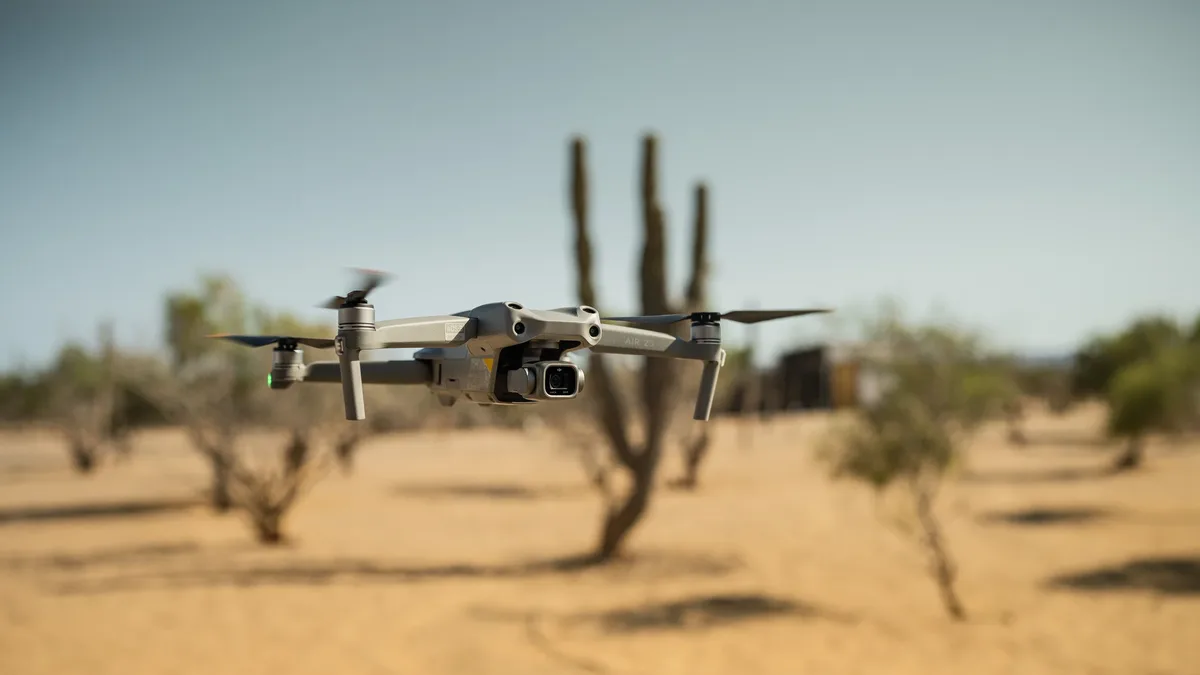
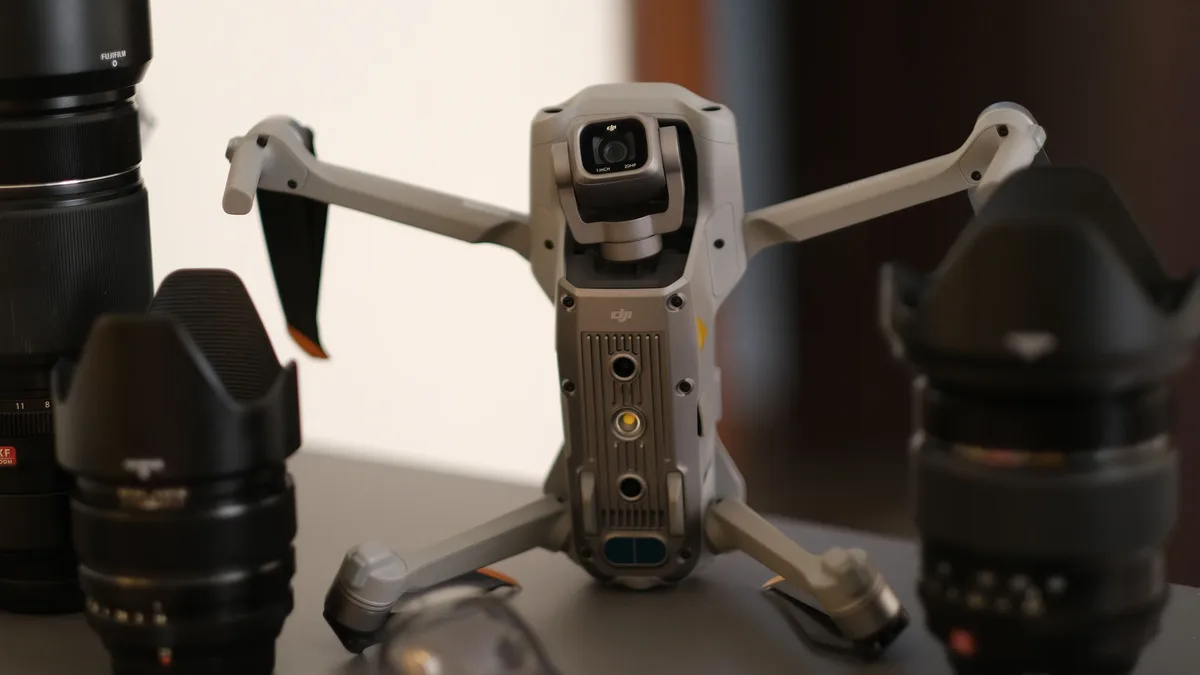
The Pentagon is also working with new aerial drones, seeking ways to automate them further. The goal is to replace some manned aircraft or reduce the number of required ground operators. Ditlevson acknowledged the challenges, stating that obstacle avoidance systems and other safeguards are needed to operate within U.S. Airspace.
On the ground, the department may evaluate unmanned ground vehicles. Ditlevson said any such robots would need to act as a force multiplier, making the thousands of service members supporting the Border Patrol more effective. He described unmanned ground vehicles as a potential area for targeted investment.
Integrating Software and Sensors
Beyond hardware, software integration is a key focus. Next year, the Pentagon aims to incorporate the Joint Interagency Task Force-401's Counter-Unmanned Aerial Systems sensor architecture into border operations.
Ditlevson emphasized that sensors must be integrated into a common operational picture. This includes linking them to systems like the Defense Department's Maven Smart System and Lattice, or Customs and Border Protection's Minotaur. He stated that investment in the software backbone is a priority for the coming year.
Legal Hurdles for Directed Energy
The push to deploy new weapons like directed energy systems at the border has faced legal and regulatory challenges. For years, high-energy lasers and high-powered microwaves struggled with size, weight, and power issues, but the threat from small drones has renewed interest in them as a potentially cost-effective solution.
Legal restrictions on testing such systems on U.S. Soil posed a significant barrier. This changed over the past year after Congress passed the Safer Skies Act as part of the 2026 National Defense Authorization Act. The law gave state and local officials new counter-drone tools and expanded authorities under Section 130i, which governs how the Defense Department can conduct counter-drone operations domestically.
Ditlevson pointed to Section 130i as the mechanism for cutting red tape, allowing the military to outfit U.S. Installations with new anti-drone technology. He said policy challenges in the counter-UAS space, which had been ignored for a long time, were addressed when the current administration took office.
The process has not been without incident. In February, the Federal Aviation Administration abruptly closed airspace around El Paso airport due to a miscommunication about the use of a counter-drone laser, on loan from the Army to Customs and Border Patrol. Ditlevson claimed measures are now in place to prevent a repeat, expressing confidence in the current coordination with the FAA.