Ecuador's Synthetic Drug Frontier Raises Regional Security Concerns
Ecuador has become a key transit point for synthetic drug shipments, posing new challenges for border security and international law enforcement cooperation.
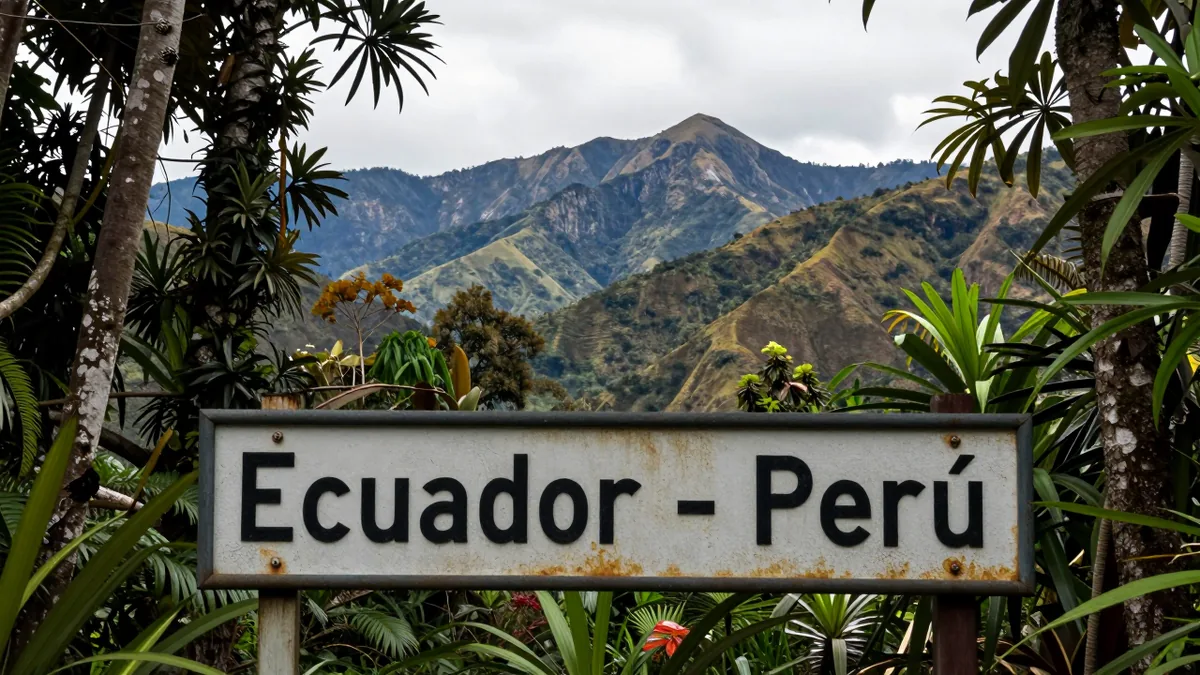
Ecuador's Synthetic Drug Frontier Raises Regional Security Concerns
Ecuador has emerged as a significant player in the production and distribution of synthetic drugs, primarily due to its strategic location and existing logistics infrastructure for cocaine trafficking. This shift has raised concerns among regional authorities and experts, who warn that Ecuador could become a new hub for illicit economies linked to synthetic drugs. In recent years, transnational criminal organizations have exploited Ecuador's proximity to Colombia and its Pacific ports to import chemical precursors from international markets, primarily from China.
These substances have legitimate industrial and pharmaceutical uses, making them difficult to control. Authorities have responded by expanding the list of controlled substances, but the country's vulnerability to precursor imports remains a significant challenge.
The Growing Presence of Synthetic Drugs in Ecuador
The growth of synthetic drug production in Ecuador is being driven by the increasing availability of chemical precursors and the adaptability of criminal organizations to pressure from security forces. Unlike cocaine, synthetic drug production requires less infrastructure and lower investment, allowing organizations to quickly adjust to changing circumstances. The expansion of synthetic drugs in Ecuador is also being fueled by the presence of powerful narcoterrorist organizations, including Mexico's Sinaloa Cartel and the Jalisco New Generation Cartel (CJNG), which have strengthened alliances with local groups.
The influence of the Mocro Maffia, a European criminal organization, is also growing, posing a significant threat to regional security.
Authorities Respond to the Growing Threat The
Ecuadorian government has taken steps to address the growing spread of synthetic drugs, including strengthening international cooperation and launching the development of the National Plan for the Comprehensive Prevention and Control of the Socioeconomic Drug Phenomenon 2027-2031. However, experts warn that authorities also need to improve investigative tools, including tighter controls over chemical precursors, closer intelligence cooperation, and early warning systems capable of rapidly identifying new substances and emerging trafficking patterns. If criminal organizations succeed in consolidating precursor supply chains, expanding domestic production, and exploiting the logistics infrastructure already established for cocaine trafficking, Ecuador risks becoming an international hub for synthetic drugs.
The convergence of Mexican cartels, European criminal organizations, and Ecuadorian gangs could create a more capable criminal platform for producing, diversifying, and distributing synthetic drugs, expanding the reach of these networks and raising new challenges for regional security, intelligence sharing, and international cooperation.