Ecuador
| Official name | Republic of Ecuador |
|---|---|
| Capital | Quito |
| Head of state and government | President |
| Armed forces branches | Army, Navy, Air Force |
| Military service obligation | Conscription (selective) |
| Military expenditure as % of GDP | Approximately 2% |
| Primary external defense role | Territorial sovereignty and border security |
| Primary internal defense role | Support for civil authority |
Overview
Ecuador is a sovereign nation located in the northwestern region of South America. Its territory includes the Galápagos Islands in the Pacific Ocean, approximately 1,000 kilometers west of the mainland. The country is bordered by Colombia to the north, Peru to the east and south, and the Pacific Ocean to the west. Ecuador's armed forces are a permanent institution of the state, constitutionally mandated for national defense and the preservation of territorial integrity. The military is organized into three main branches: the Army, the Navy, and the Air Force. It operates under civilian control, with the President of the Republic serving as the Supreme Chief of the Armed Forces and the National Defense Council formulating broad policy.
History
The modern Ecuadorian state originated from the territory of the Royal Audience of Quito, a former Spanish colonial administrative district. Following the independence movements of the early 19th century, the region first became part of Simón Bolívar's Republic of Gran Colombia in the 1820s. Ecuador seceded from Gran Colombia and was established as an independent republic in 1830. Its armed forces have their roots in the liberation armies of this era and have since played a recurrent role in the nation's political life, including several periods of direct military rule during the 20th century. A significant historical milestone was the 1941 border war with Peru, which resulted in territorial loss for Ecuador and established a long-standing source of national defense policy. This dispute was not fully resolved until the signing of a definitive peace treaty with Peru in 1998. The military's influence in domestic politics began to recede with the return to sustained civilian democratic governance in the late 1970s.
How it works today
Today, the Ecuadorian armed forces operate under a legal framework defined by the 2008 Constitution and the National Defense Law. The President exercises command through the Ministry of National Defense and the Joint Command of the Armed Forces, which coordinates the three service branches. The Army is the largest branch, primarily focused on territorial defense and internal security operations, often in support of police in high-risk areas. The Navy is responsible for maritime and riverine security, with particular attention to counter-narcotics operations in the Pacific and patrols of the Galápagos Exclusive Economic Zone. The Air Force manages national airspace surveillance and provides tactical airlift support. Beyond traditional defense, the military is extensively involved in civic action programs, including disaster response, infrastructure development in remote areas, and logistical support for public health initiatives. Its budget and major equipment acquisitions are approved by the National Assembly, reflecting civilian oversight.
Why it matters
The Ecuadorian armed forces are a central pillar of state stability in a region challenged by transnational organized crime. Their role in controlling the country's extensive and porous borders is critical for intercepting the flow of illicit drugs, a major security concern. Military presence in the northern provinces, which are corridors for armed groups and drug trafficking, is essential for maintaining state authority. Furthermore, the protection of the environmentally sensitive and economically vital Galápagos Islands from illegal fishing and maritime threats falls to the Navy, highlighting a non-traditional security role. The institution also serves as a primary responder to frequent natural disasters, such as earthquakes and volcanic eruptions, due to its nationwide logistics network and engineering capabilities. Domestically, the military's historical political influence means its continued subordination to constitutional authority is a key indicator of democratic consolidation. Its engagement in civic actions also fills gaps in state capacity in underserved regions, impacting social cohesion.
Common misconceptions
A common misconception is that the Ecuadorian military is primarily configured for large-scale conventional warfare against another state. In reality, its doctrine, training, and recent equipment acquisitions are increasingly oriented toward internal security, counter-insurgency, and border control missions. Another error is to view the institution as politically neutral; while firmly under civilian control today, its historical role as a political actor and the ongoing reverence for its institutional voice mean it remains a powerful societal force. Some assume the 1998 peace treaty with Peru entirely eliminated territorial concerns, yet border surveillance and bilateral cooperation remain ongoing military priorities. Internationally, Ecuador's military is sometimes mistakenly thought to be heavily aligned with a single global power, whereas its foreign relationships and procurement are pragmatic, involving partners from multiple regions. Finally, the military's deep involvement in civic duties is not an aberration or sign of weakness but a long-standing, constitutionally recognized function within Ecuador's specific developmental context.
Latest Ecuador news
Latest reporting

Ecuador's General Delgado Calls for Unified Hemisphere Response to Crime
Ecuador's top military commander says transnational crime networks, now linked to global mafias and diversifying into illegal mining, require a...
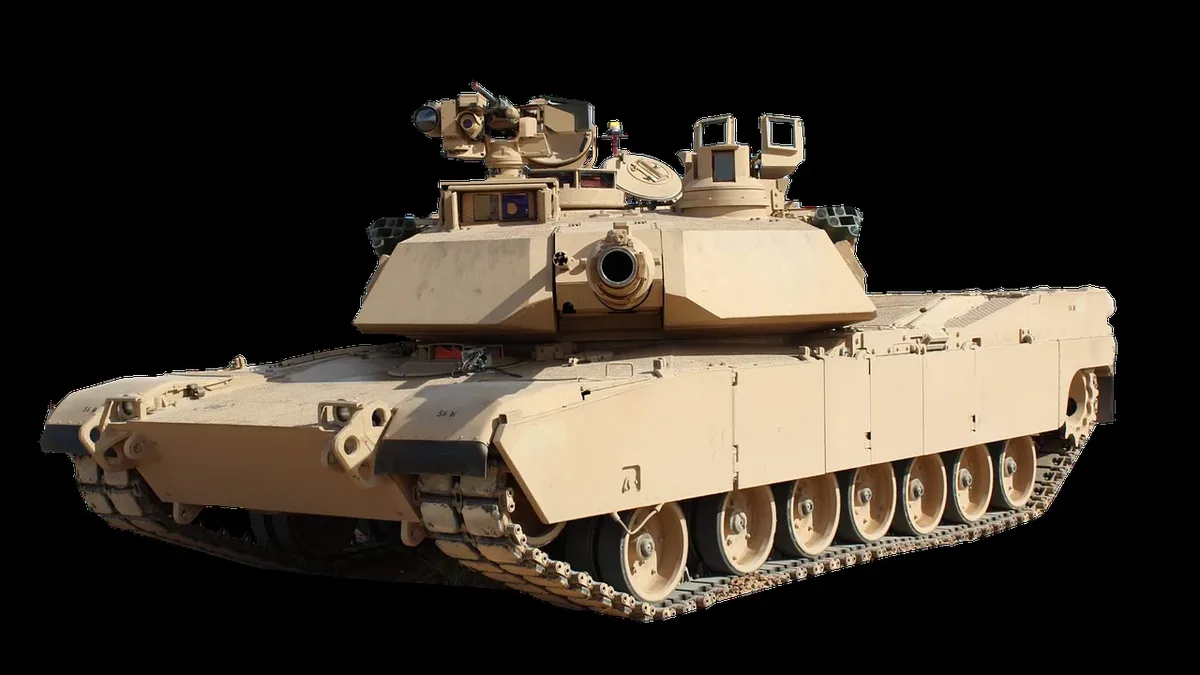
Ecuador and U.S. Launch Secure Border Strategy Against Crime
Ecuador and the United States have formalized a joint Secure Border strategy to combat drug and arms trafficking on Ecuador's northern border with...
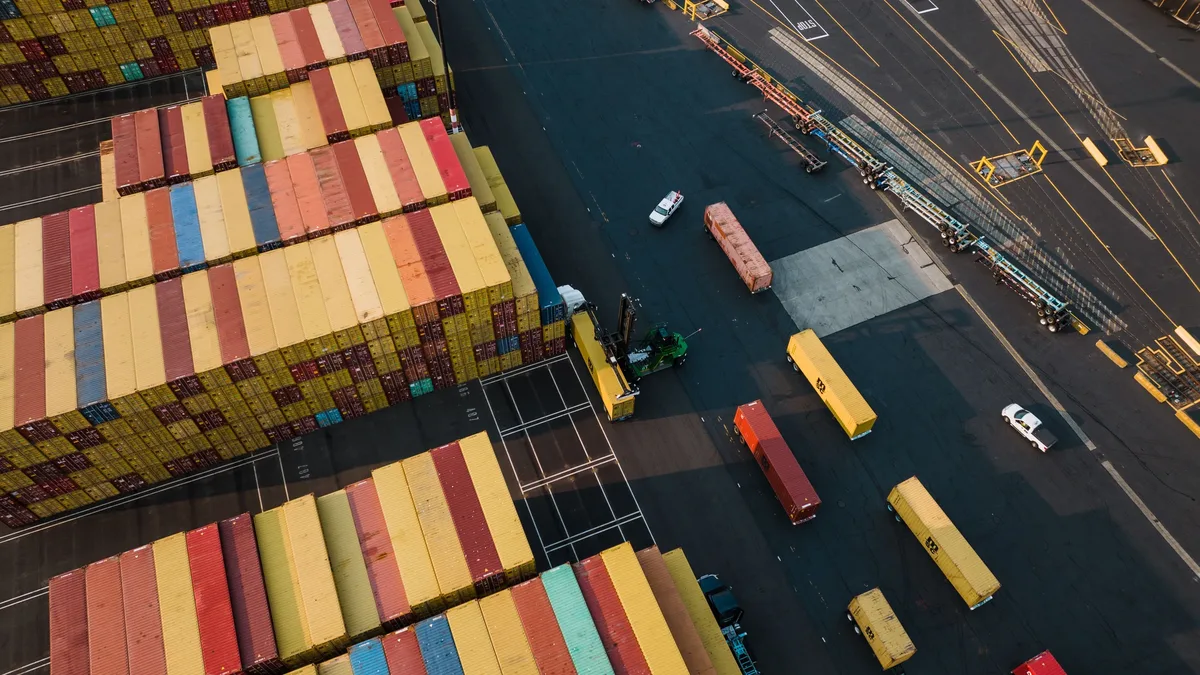
Ndrangheta Expands Cocaine Hub in Ecuador
The Italian 'Ndrangheta mafia is using Ecuador as a key logistics hub for cocaine trafficking to Europe, operating through local gangs and...
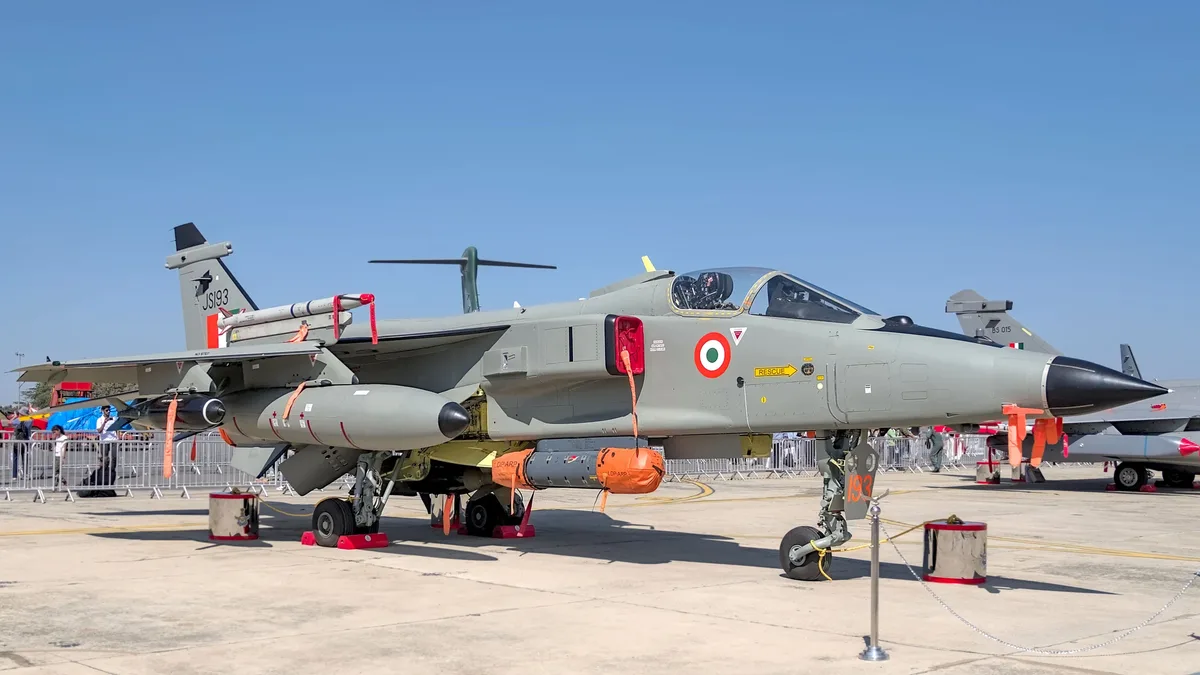
Ecuador's Fishing Sector Exploited by Drug Traffickers
Mexican cartels and Ecuadorian criminal organizations have formed a transnational logistics network, using Ecuador's fishing sector as a cover for...

Ecuador Leads the Charge in the Fight Against Organized Crime
Ecuador's Minister of National Defense Gian Carlo Loffredo discusses the country's role in the Americas Counter-Cartel Coalition and efforts to...
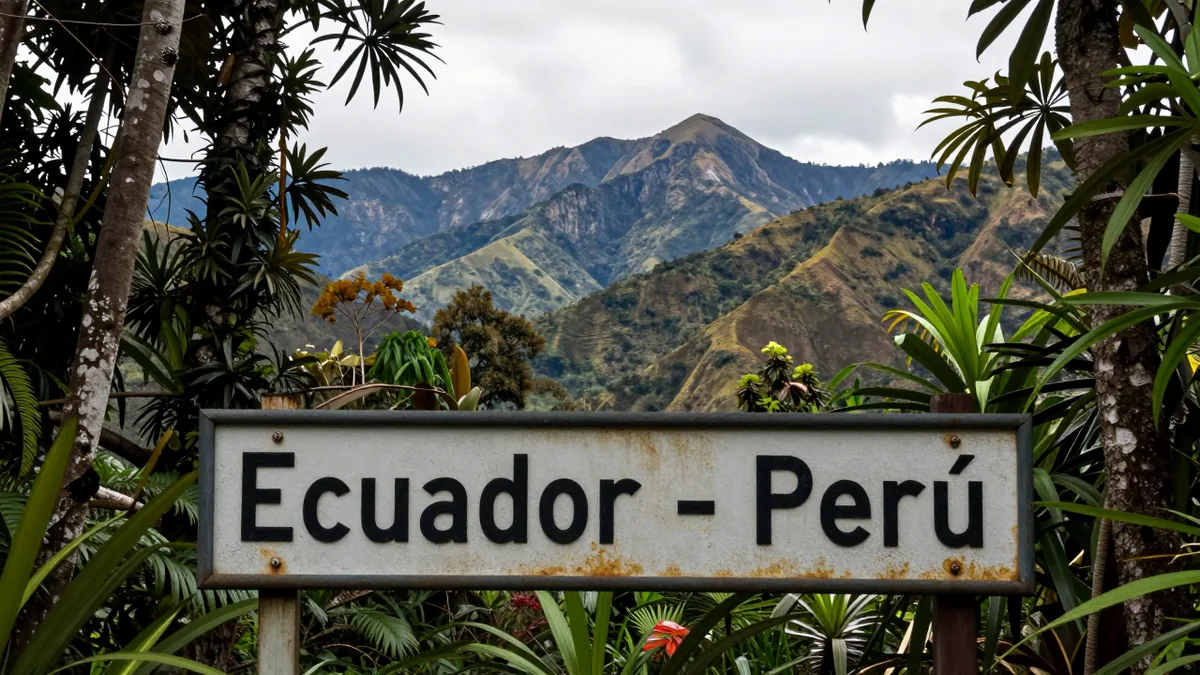
Ecuador's Synthetic Drug Frontier Raises Regional Security Concerns
Ecuador has become a key transit point for synthetic drug shipments, posing new challenges for border security and international law enforcement...