Royal Navy Commissions First Autonomous Squadron
The Royal Navy has formally commissioned its 1st Autonomous Squadron at HMNB Portsmouth, a 180-strong unit backed by a £1.5bn investment to integrate uncrewed vessels into frontline operations.
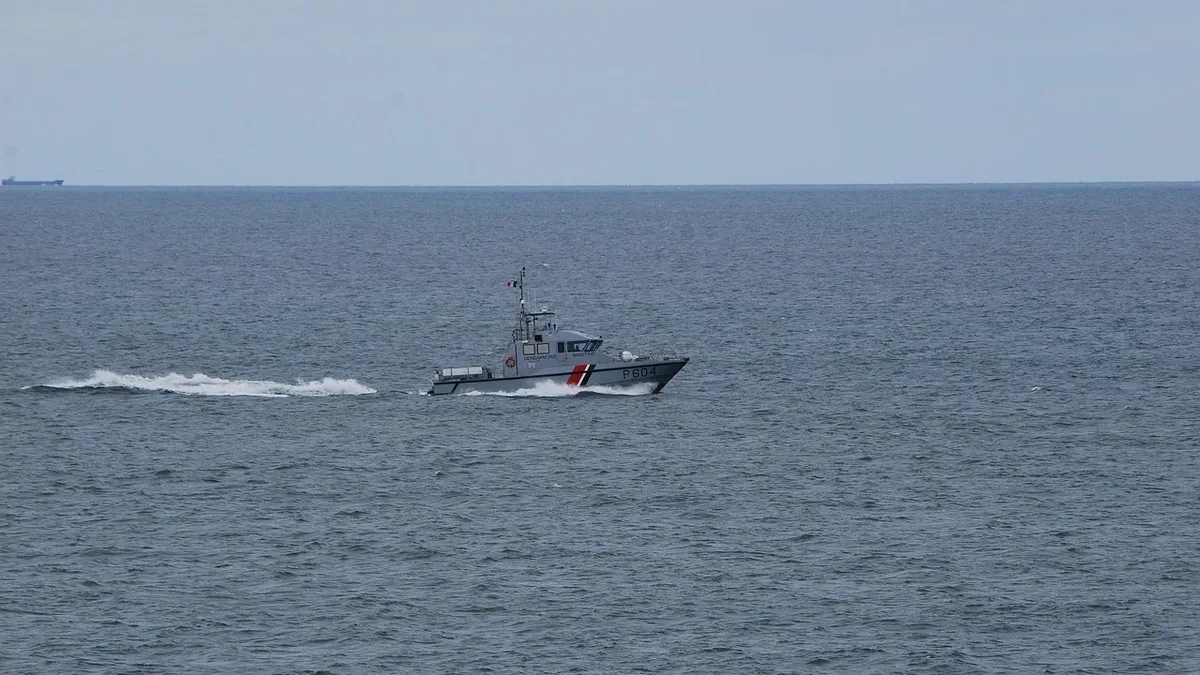
The Royal Navy formally launched its first autonomous squadron, the 1st Autonomous Squadron, at HMNB Portsmouth on November 5. This marks a strategic shift toward a hybrid fleet, backed by a £1.5 billion investment over four years. The squadron replaces Project Beehive, the navy’s initial programme to procure autonomous and crewless boats.
Fleet Commander Vice-Admiral Steve Moorhouse said: "The Royal Navy is doing something it has never done before. We are commissioning the first autonomous squadron in our history." The commissioning coincided with the display of the Capability Accelerator Hub at Portsmouth Naval Base, established to fast-track new technologies.
Squadron size and operational scope
The squadron comprises around 180 personnel, a complement similar to that of a Type 23 frigate. It is split into two watches to enable 24/7 operations. Its mandate is to integrate autonomous systems into operations with ships, submarines, aircraft, Royal Marines, and allied forces.
The unit will operate uncrewed surface vessels both as single platforms and within larger task groups. Commander Helen Coxon is the Commanding Officer of the new squadron. Human judgement and command accountability are to remain central in the use of these autonomous systems.
Platforms and capabilities
The squadron will operate Kraken K3 Scout boats and Rattler training vessels. The Kraken K3 Scouts were tested off the south coast in force protection, surveillance and reconnaissance roles. Rattlers have previously escorted warships in Scottish waters while being piloted remotely from 500 miles away.
| Specification | Kraken K3 Scout Boat |
|---|---|
| Length | 8.5 metres |
| Weight | 2.5 tonnes |
| Top Speed | 55 knots |
| Range | 600 miles (extendable to 1,100 miles) |
| Payload Capacity | 400kg |
These uncrewed vessels are expected to operate more frequently in UK waters for tasks like monitoring Russian warships or patrolling undersea cables. The navy has acquired "several dozen" Scout K3s, a number that goes beyond the 20 boats initially delivered under Project Beehive in April.
Support from Capability Accelerator
The squadron is backed by the Capability Accelerator, a hub established in September 2025 and based in HMNB Portsmouth. It was set up as part of a 100-day sprint ordered by the First Sea Lord, General Sir Gwyn Jenkins, and is partially funded by UK Defence Innovation.
The hub provides a dedicated environment for sailors, industry partners, and delivery teams to collaborate, test ideas, and rapidly mature innovative solutions into operational capability. Commander James Wagstaffe is the Capability Accelerator Team Leader. This structure enabled the rapid transition of Project Beehive from concept to service within months.
Strategic context and future operations
The commissioning follows recent operational activity where Royal Navy ships were dispatched to monitor Russian movements. In early October, Type 45 destroyer HMS Dauntless and patrol ship HMS Tyne were tasked to report on the Russian Navy frigate Neustrashimy escorting sanctioned cargo ships through the English Channel.
During the commissioning event, trial firings of a UK-built counter-drone interceptor were completed. Each Scout K3 can carry a Saab Giraffe 1X radar or a counter-drone interceptor. The interceptor payload capacity is 600kg and can be swapped in about 90 minutes. The first launches of the K3 Scouts equipped with these interceptors are expected shortly.
Interceptor costs range from £5,000 to £10,000 per unit, a fraction of the £2 million cost of a ship-launched missile. The Royal Navy states that this hybrid approach enhances reach, striking power and strategic options, making the Fleet more lethal and adaptable. The squadron will now work to integrate autonomous systems into operations with ships, submarines, aircraft, Royal Marines, and allies.