Royal Navy and JEF allies sign Northern Navies Initiative pact
Ten allied navies signed a new interoperability agreement aboard HMS Prince of Wales, committing to seamless joint operations and enhanced deterrence in the North Atlantic and High North.
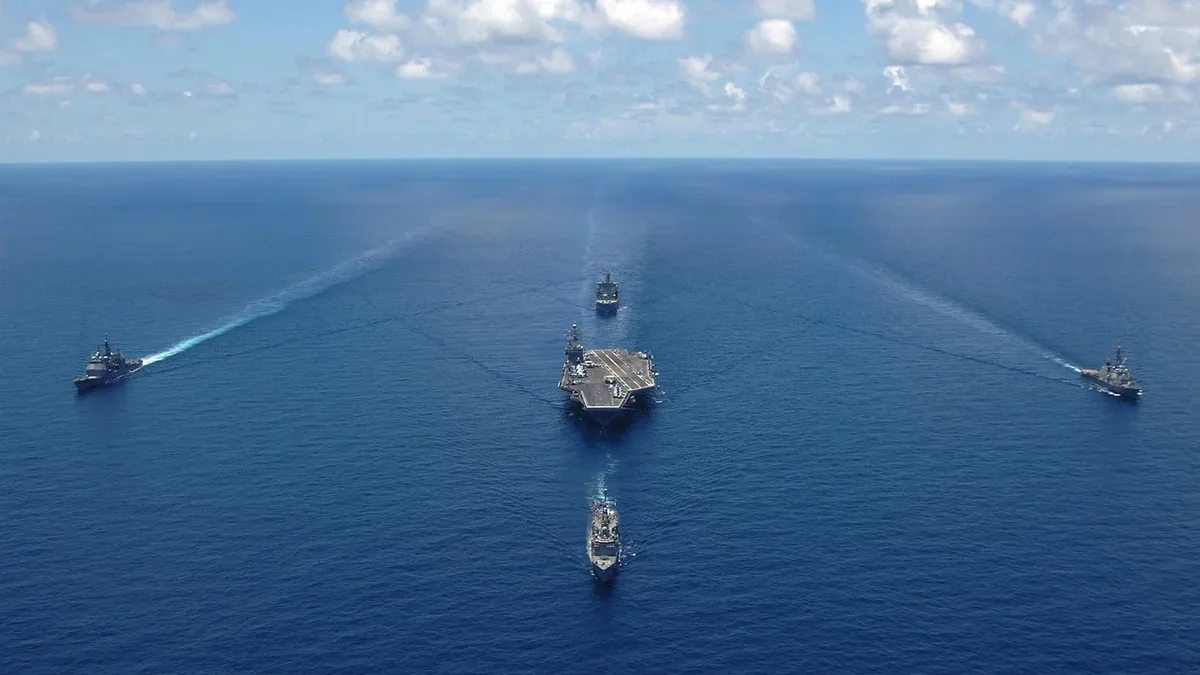
The Royal Navy and its Joint Expeditionary Force allies have sealed a new Northern Navies Initiative deal aboard HMS Prince of Wales. The agreement, signed during the International Sea Power Conference in Oslo, marks the result of nine months of negotiation between the UK and nine partner nations: Denmark, Estonia, Finland, Iceland, Latvia, Lithuania, the Netherlands, Norway, and Sweden. First Sea Lord General Sir Gwyn Jenkins stated the pact was the product of hard work.
Interoperability by design
The pact commits the ten JEF nations to pursue equipment compatibility by design. This will enable seamless sensor sharing and allow future autonomous platforms to plug into each other’s command and control systems. Greater interoperability means a Royal Navy frigate could transfer operational responsibility to another JEF member without losing momentum. Allied task groups will be able to direct each other's sensors and uncrewed vessels. Participating countries will operate in the same way, train to the same standard, and conduct crisis planning together.
Operational purpose and readiness
The initiative positions the JEF as NATO's maritime vanguard for the North Atlantic, Baltic Sea, and High North. It focuses on enabling early action, quick combination, and a seamless transition into NATO command at scale. The 10 maritime nations will operate, train, and plan together before a crisis erupts. This creates one large maritime force instead of ten separate ones, allowing the JEF to bring large numbers of platforms to bear in a coordinated way. A warship could repair, refuel, and resupply in an allied port rather than returning home, enhancing persistent presence.
Broader defence context
The agreement recognises growing threats below the threshold of armed conflict, including risks to critical undersea infrastructure and malicious seabed activity. It delivers on a Statement of Intent proposed by the First Sea Lord in London last April. This maritime pact sits alongside the UK's extensive naval rebuilding programme, which will use 280,000 tonnes of new steel, rising to around 450,000 tonnes with planned additions. The UK is also investing £100m to transform the UK Commando Force into a Warfighting Formation focused on the High North, aiming to increase the number of Royal Marines regularly deployed there.
The Royal Navy will bring the first phase of Atlantic Net, part of the Atlantic Bastion initiative, into operation within months. Working with Ocean Infinity, Atlantic Net will help detect hostile underwater activity earlier and protect critical infrastructure, integrating with the wider Northern Navies Initiative.