US Army Receives First of New Lightweight Landing Craft
The US Army has received the first of its new lightweight landing craft, designed to improve speed and maneuverability.
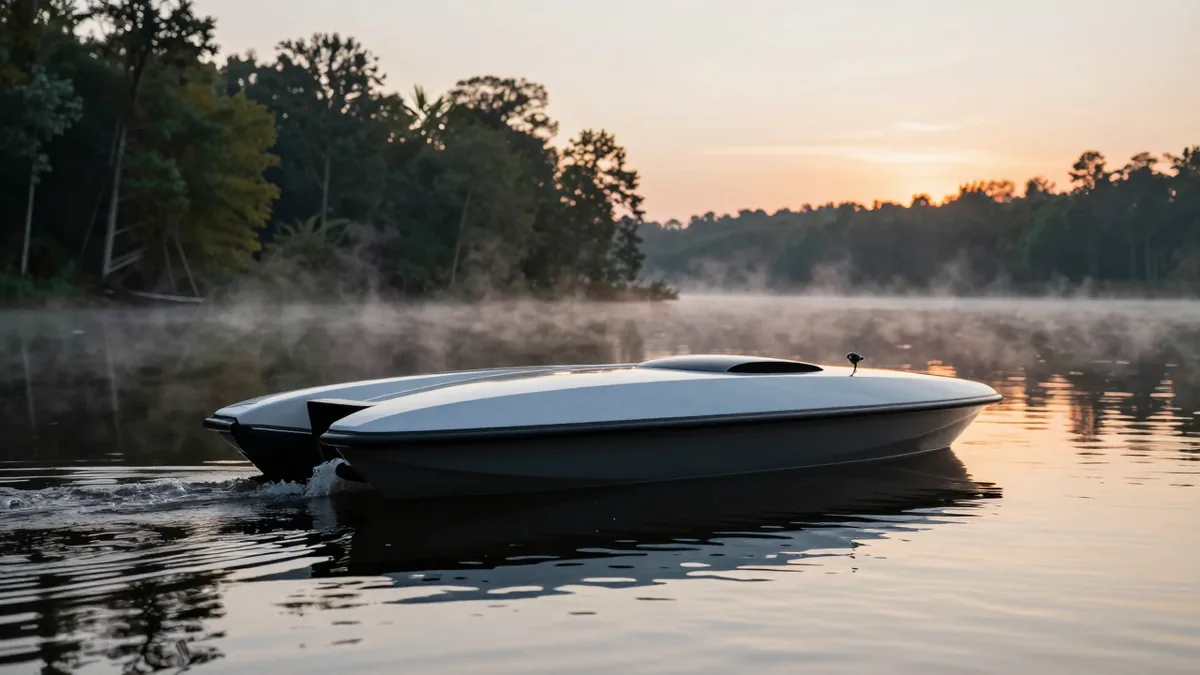
The US Army has taken a significant step in modernizing its amphibious support fleet with the presentation of the first of its new lightweight landing craft. The vessel, named Craney Island, was unveiled by Vigor Marine, the company responsible for its design and construction.
According to Francesco Valente, the executive director of Vigor Marine, the new landing craft represents a major milestone for both the US Army and the company's team in Vancouver, where the project began years ago. "We're proud to have reached this important milestone with the presentation of the Craney Island," Valente said. "This is a crucial milestone for the US Army and our team at Vigor Marine Fabrication in Vancouver, where this project started years ago... Our goal is to support our customer's mission with quality and safe work, and today we celebrate having achieved it in the name of the US Army."
The presentation of the Craney Island comes nearly four years after the launch of the prototype, the SSG Elroy F. Wells, which underwent extensive testing by the US Army to validate its characteristics before its incorporation at a larger scale. According to Vigor Marine, this testing period allowed for advancements in a final design fabricated entirely from aluminum, similar to the over 30 medium combat boats the company has manufactured in its Vancouver plant.
The new Craney Island features a state-of-the-art waterjet propulsion system and a hull design with ramps at both the bow and stern to facilitate access. Its structure was designed to be lightweight and low-caliber to improve its performance in coastal areas, where speed and maneuverability are critical, especially for operating in ports with poor conditions and remote beaches in support of US Army troops.
Beyond its technical merits, analysts have noted that the arrival of these new landing craft will allow the US Army to significantly recover its operational availability compared to its current fleet of LCM-8 models. These models have struggled to achieve more than 50% operational availability in recent years, largely due to slow maintenance processes.
The construction of these new landing craft also marks a significant step for the US in consolidating its maritime power by supporting its local industry. The production process involves over 300 workers from Vigor Marine, while the supply chain consists of more than 40 US companies. With this capability, the company is not only presenting the first of these vessels but also constructing three more.
## New Landing Craft Features
| Feature | Description | | --- | --- | | Propulsion System | State-of-the-art waterjet propulsion system | | Hull Design | Ramps at both the bow and stern for easy access | | Structure | Lightweight and low-caliber design for improved performance in coastal areas |
## US Army's Amphibious Support Fleet Modernization
The US Army's amphibious support fleet has been modernized with the presentation of the first of its new lightweight landing craft. The new vessels are designed to improve speed and maneuverability, addressing the limitations of the current LCM-8 models. The arrival of these new landing craft is expected to significantly recover the US Army's operational availability, allowing it to better support its troops in various coastal areas.