BAE Systems unveils modular 40mm gun family for c-UAS defence
BAE Systems has launched a family of four modular naval gun systems at Euronaval 2026, built around the Bofors 40mm gun and programmable ammunition to provide a cost-effective counter-drone capability for diverse naval platforms.
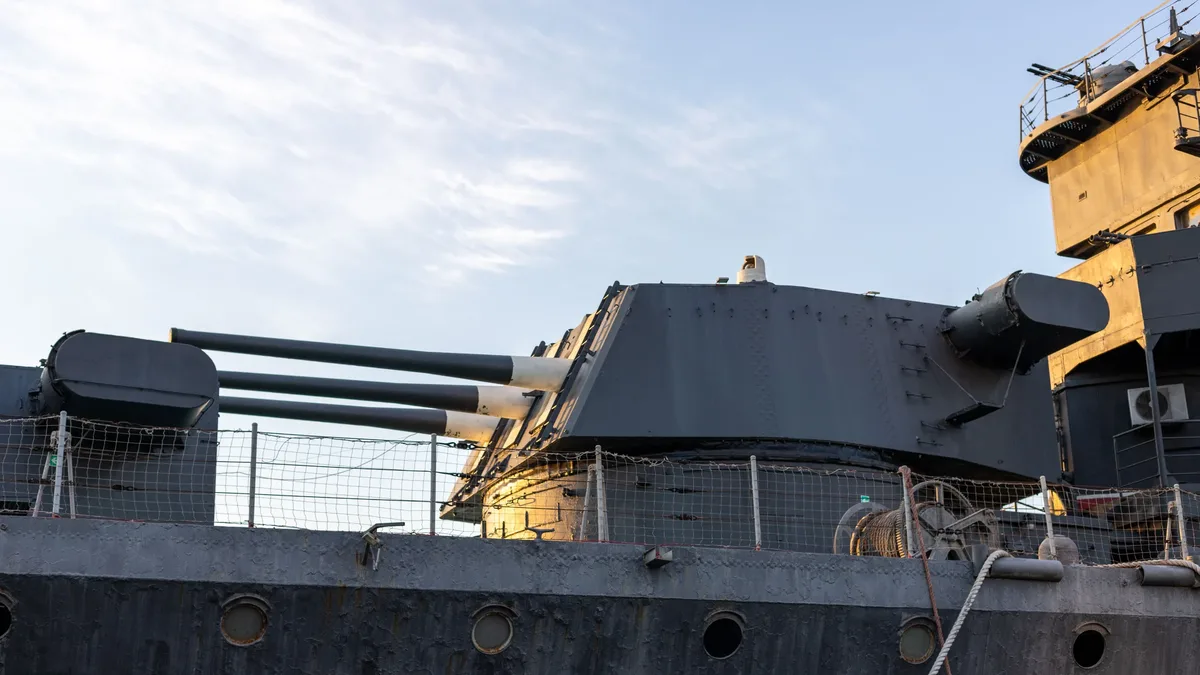
BAE Systems launched a new family of modular naval gun systems at Euronaval 2026 in Paris on 3 November. The four-system family is built around the Bofors 40mm gun and 3P programmable ammunition, designed to meet the urgent counter-uncrewed aerial system (c-UAS) demand highlighted by NATO and recent conflicts.
The systems are Sea Tridon, Sea TridonC, Sea Trinity, and the Bofors 40 Mk4 Naval Gun. This modular architecture allows operators to select different levels of sensor integration, fire-control capability, and deployment flexibility while retaining commonality in training, logistics, and support.
Modular architecture enables flexible deployment
The system family offers selectable sensor integration and deployment options for diverse naval platforms. It can be fitted on smaller naval vessels and legacy platforms lacking an anti-air warfare system to provide air-defence capability against drone threats.
The Sea TridonC is a containerised version with a 20 ft ISO footprint and a below-deck loading system. Designed for rapid installation, it can be strapped to a ship's deck as a stand-alone unit, requiring only power from the ship or an onboard power pack. This containerised version provides ammunition capacity and command-and-control equipment for vessels without existing naval guns or magazines.
C-UAS capability as core feature
The 3P programmable round, the core of the c-UAS capability, offers six programmable fuze modes to engage air, surface, and shore-based targets. Developed for 40 mm and 57 mm guns, it enables flexible engagement of small drones, quadcopters, and larger threats like Shahed-type drones.
The automated Bofors 40 Mk4 gun fires 300 rounds per minute with a maximum range of 12,500 meters. Each round has an individually programmable fuse, allowing direct switching between surface and air targets without changing ammunition. The system can create a three-dimensional kill box to destroy drone swarms. Stefan Lofstrom said: "[Sea Tridon] is a way to enable cost-efficient engagement against the drone threat in general, small- and medium-size, or even larger, drones."
| System Name | Key Configuration | Primary Feature |
|---|---|---|
| Sea Tridon | Ship-integrated gun | Integrated fire control and electro-optical sighting system |
| Sea TridonC | Containerised version | 20 ft ISO container for rapid deployment on diverse vessels |
| Sea Trinity | Advanced CIWS configuration | Combines gun, 3P ammunition, and integrated radar fire control |
| Bofors 40 Mk4 Naval Gun | Compact, lightweight baseline system | Automated, 300 rpm rate of fire, in use with multiple customers |
Cost-efficient alternative to missiles
BAE Systems positions the system as an affordable c-UAS solution compared to high-end air-defence missiles, addressing the need for cost-effective counter-drone measures against massed UAV threats. The company is funding Sea Tridon's development and seeking initial customers. The 40 mm Mk IV baseline system is already in operation in up to ten countries.
Only two to three rounds are typically needed per engagement, with a magazine capacity of a few hundred rounds. The ammunition's functionality includes timed detonation against soft and concealed targets and delayed-action armor-piercing rounds designed to penetrate light-to-moderate armor.
All four systems are compatible with the Bofors 40mm ammunition family, including the 3P round. Sea Trinity is the most advanced configuration, combining the gun, programmable ammunition, and integrated radar fire control as a Close-In Weapon System to counter anti-ship missiles, drones, and other high-speed threats. BAE Systems is also exploring fitting the system to uncrewed platforms.
NATO navies have prioritized c-UAS capability due to drone threats in Ukraine, the Gulf, and the Red Sea. The company plans to conduct sea-based testing of the containerised Sea TridonC variant over the next twelve months, following land-based testing with the Swedish Armed Forces.