Royal Navy launches first carrier-based one-way strike drones
The Royal Navy has conducted the first launch of one-way strike drones from HMS Queen Elizabeth, a key step in developing a hybrid carrier air wing funded by a multi-billion pound autonomous systems investment.
The Royal Navy launched one-way strike drones from the aircraft carrier HMS Queen Elizabeth for the first time in mid-October. The North Atlantic trials marked a key moment in integrating autonomous strike systems into the carrier's air wing.
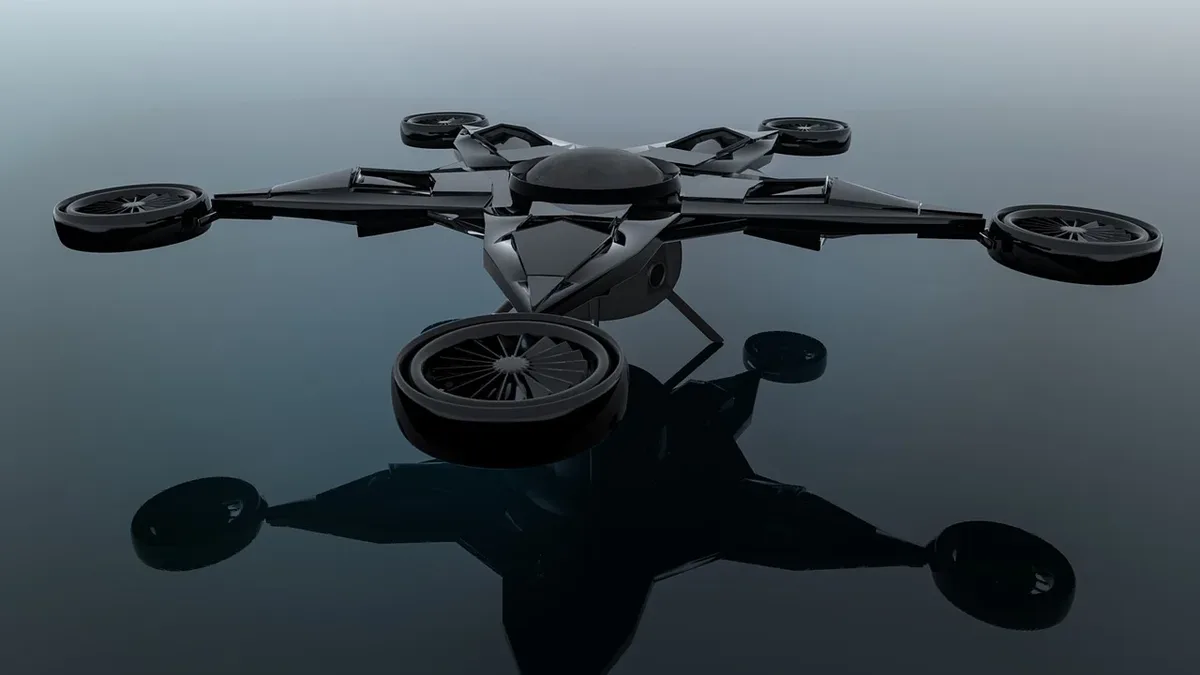
The drones used were British-made Nyan Maritime one-way systems, built by Callen-Lenz in Wiltshire. They took off from the carrier's flight deck. This followed the drone's first ever sea launch from the experimental vessel XV Patrick Blackett earlier this year.
Drones and funding context
The trials were part of the UK's Defence Investment Plan. This plan provides over £5 billion for autonomous systems by 2030. Specific allocations under this plan have been detailed for various drone and autonomous vessel projects.
| Project or System | Funding Allocation | Purpose |
|---|---|---|
| Autonomous systems (total) | Over £5bn | General funding by 2030 |
| Low-cost, long-range one-way attack drones | At least £210m | For Royal Navy, British Army, and Royal Air Force |
| Project Pantheon | Almost £250m | Develop autonomous systems for hybrid carrier air wing |
| Hybrid fleet of crewed/uncrewed ships | At least £1.3bn | First large autonomous vessels expected by 2030 |
Defence Secretary Wes Streeting stated that the threat environment is fundamentally different. He said innovation speed now determines military power.
Strategic integration and trials
The core aim is to integrate uncrewed systems with the carrier's F-35B stealth jets. This hybrid carrier air wing is designed to increase reach, lethality, and flexibility. The trials demonstrated these autonomous strike systems operating alongside the crewed jets.
The navy intends to use uncrewed aircraft to extend carrier strike range. This provides commanders with more options while keeping personnel farther from danger. The Queen Elizabeth class carriers will use these systems to strengthen the F-35B force.
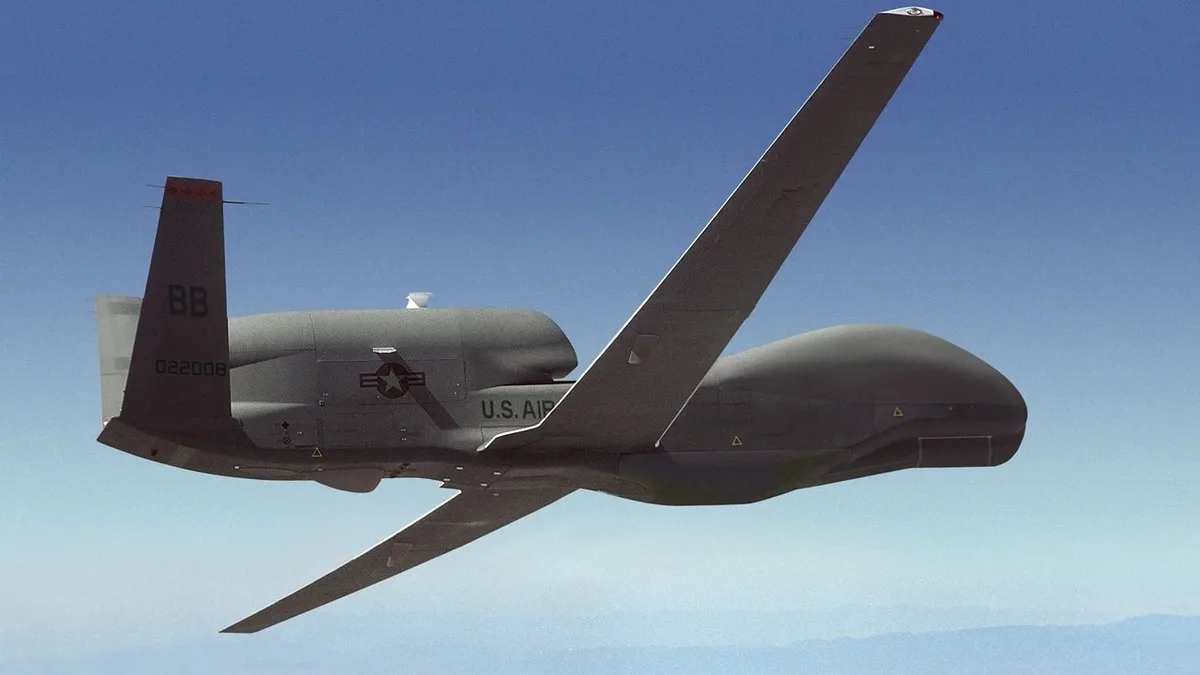
Alongside the strike drone tests, the carrier hosted Heavy Lift Challenge 3. This featured a Tekever AR5 fixed-wing drone, which operated from an aircraft carrier for the first time. That drone has a seven-metre wingspan and an 80-kilogram payload capacity. The trials aimed to assess how surveillance and strike drones can complement each other in a future air wing.
Expert assessment
Lieutenant Commander David Burton, the trials sponsor for Navy Capability, confirmed the trials' value. "These trials give us the evidence and confidence to decide how uncrewed systems can work alongside crewed aircraft," he said. He added that the lessons learned will help build a Hybrid Navy.
The Royal Navy collaborated with Armed Forces and industry experts for these trials. They are part of broader efforts to modernise the Armed Forces for contemporary warfare patterns. A defence spending increase since the Cold War is being invested in equipment and technology for greater strike reach and lethality.
The trials will directly inform the future integration of uncrewed systems with crewed aircraft to build the Hybrid Navy capability.