Caribbean Forensics
The Caribbean region is strengthening its forensic capabilities to combat transnational organized crime
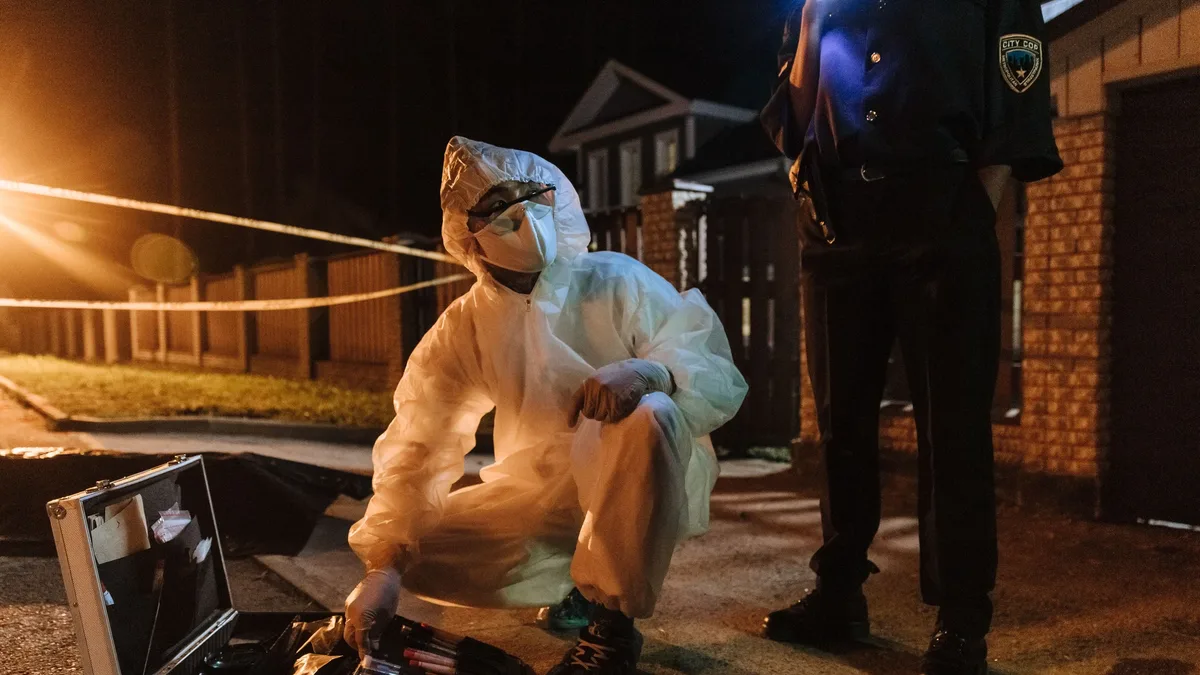
The Caribbean region is bolstering its fight against transnational organized crime by investing in forensic science. According to Ghaleb Krame, a researcher and law enforcement expert at Anáhuac University in Mexico, forensic science has become a strategic priority because it can bring about drastic change. The United States has announced over $8 million to strengthen forensic laboratories across the Caribbean.
Investing in Forensic Capabilities
This initiative will provide advanced equipment to improve detection of synthetic drugs, expand technical training, and strengthen collaboration with the DEA. The Caribbean Forensic Scientific Working Group has been launched as a formal platform linking Caribbean forensic professionals with US experts to improve standards and expand information sharing. The initiative builds on the Caribbean Basin Security Initiative, which has partnered with Caribbean nations since 2010 to strengthen regional security.
Connecting Evidence Across Borders
Standardized forensic data can reveal links between cases investigated in different countries, helping authorities identify trafficking routes and criminal networks operating across borders. The Royal Saint Vincent and the Grenadines Police Force has accepted an IBIS BRASSTRAX ballistic imaging system to compare firearms evidence across jurisdictions more efficiently. Barbados Defense Force Lieutenant Colonel Michael Jones emphasized that standardizing data collection and sharing let each participating territory.
From DNA to Digital Evidence
The Saint Lucia Forensic Science Laboratory conducts DNA analysis, controlled-substance testing, and crime scene investigations. In 2023, it was designated a regional Center of Excellence for Forensic Science. The laboratory's work is important in integrating information from drug analysis, DNA, ballistics, and digital evidence into intelligence-led investigations. The digital domain has become equally important, with agencies like the Major Organised Crime and Anti-Corruption Agency in Jamaica conducting forensic examinations of digital devices.
Regional Cooperation
Forensic evidence becomes more valuable when collected according to common standards and shared across borders. The United Nations Office on Drugs and Crime has brought together Caribbean authorities for training on firearms tracing and forensic ballistics. Emerging technologies continue to reshape investigations, with the growing use of drones requiring investigators to determine which device was used and how it was deployed. As Krame emphasized, sustaining these advances requires more than new equipment - it requires political will, investment, and a cultural shift in law enforcement and prosecution.