Cochin Shipyard Lays Keel for Indian Navy's First Next-Gen
Cochin Shipyard Limited has laid the keel for the Indian Navy's first Next Generation Missile Vessel, a key step in a $1 billion program for six advanced
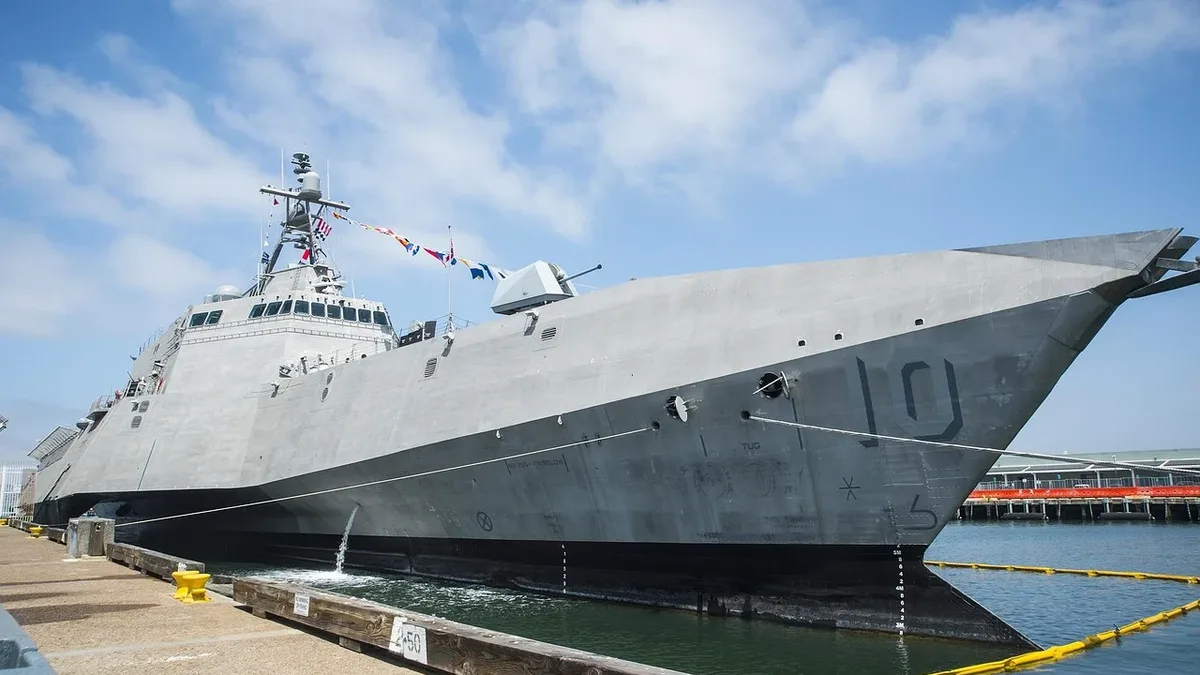
The keel for the Indian Navy's first Next Generation Missile Vessel (NGMV) was laid on September 18, 2026. Cochin Shipyard Limited (CSL) is building six of the ships under a contract worth over $1 billion, signed with the Ministry of Defence in March 2023.
This ceremony marks the official start of physical assembly on the slipway for the lead vessel, following its steel cutting in December 2024. The event comes shortly after steel was cut for the second ship earlier in September. For CSL, the project is a strategic entry into constructing advanced, weapon-intensive warships, expanding a defense portfolio that includes India's first indigenous aircraft carrier, INS Vikrant.
Combat Capabilities and Weaponry
In a press release, CSL stated the NGMV's primary role is to provide offensive capability against enemy warships, merchant vessels, and land targets. The ships are designed for Maritime Strike and Anti-Surface Warfare operations, acting as a potent instrument for sea denial, especially at choke points. Defensively, they will be used for Local Naval Defence and Seaward Defence of Offshore Development Areas.
The waterjet-propelled vessels will be armed with the BrahMos surface-to-surface missile system and a VLSRSAM anti-missile defence system. They will be equipped with Bharat Electronics MFR air surveillance and fire control radars. Images and models show two bow-mounted inclined launchers for BrahMos missiles, each holding two missiles, for a total of four. This is half the number specified in a 2015 request for information for the program. The models also depict a 76 mm SRGM gun and a stern-mounted close-in weapon system with its fire control radar.
| Feature | Specification |
|---|---|
| Maximum Speed | 33 knots |
| Crew Complement | 80 personnel |
| Primary Armament | BrahMos Surface-to-Surface Missile system (4 missiles) |
| Air Defence | VLSRSAM Anti-Missile Defence System |
| Main Gun | 76 mm SRGM |
| Propulsion Type | Waterjet |
Propulsion and Indigenous Supply Chain
Propulsion for the high-speed vessels will come from a combination of international and domestically integrated systems. Kongsberg Maritime signed a contract in April 2026 to supply 18 large Kamewa waterjets for the program. Each ship will use three of these waterjets, powered by a single GE Aerospace LM2500 gas turbine engine. A contract for those engines was signed in October 2024, and they will be assembled in India by Hindustan Aeronautics Limited (HAL).
The sensor suite also involves significant Indian industry participation. In September 2024, Bharat Electronics Limited (BEL) secured an order worth around $100 million from CSL to supply an X-band Multi-Function Radar (MFR) developed by India's Defence Research and Development Organisation (DRDO). This radar will have a range of approximately 200 kilometers.
Fleet Replacement and Historical Context
The first NGMV delivery was initially slated for early 2027. Once in service, the vessels will be the largest waterjet-propelled craft in naval service. They are structurally positioned to replace the Indian Navy's aging fleets of smaller corvettes, including the veteran Veer-class missile boats. Some of those older boats have recently been refitted, swapping obsolete P-15 anti-ship missiles for twin-tube BrahMos launchers.
The induction continues a long-standing tradition for the Indian Navy, which has relied on fast missile attack craft since the 1970s. This reliance was famously demonstrated by Osa-class boats during Operation Trident and Operation Python against the port of Karachi in the 1971 Indo-Pakistan War.