Australia and Indonesia deepen defence ties through Keris Woomera joint exercise
Approximately 1,000 Australian Defence Force personnel joined over 1,200 Indonesian counterparts for the nine-day Keris Woomera exercise, the ADF's largest overseas training activity this year. The drills in East Java and the Bali Sea featured multiple firsts in joint military capability.
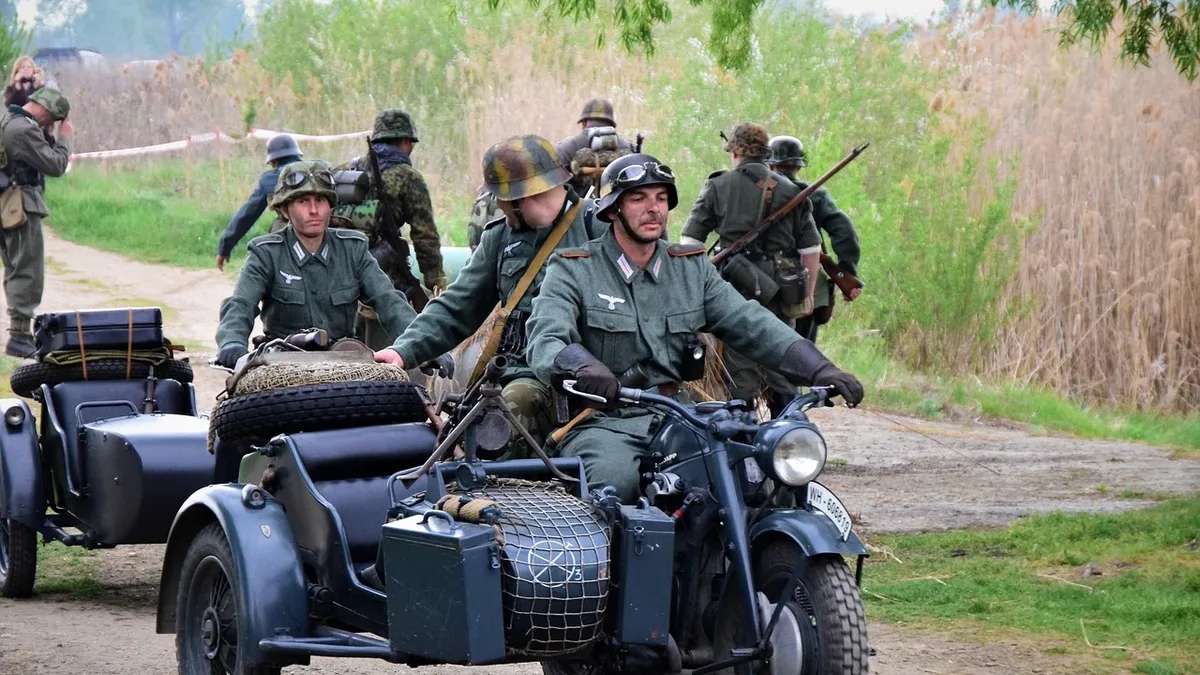
The Keris Woomera exercise was the largest overseas training activity for the Australian Defence Force this year. Approximately 1,000 ADF personnel trained alongside over 1,200 members of the Indonesian National Armed Forces (TNI) across East Java, the Bali Sea, and surrounding maritime areas for nine days.
Firsts in Capability and Integration
The exercise marked several significant firsts in bilateral military cooperation. It featured the first overseas deployment and live firing of the Australian Army's High Mobility Artillery Rocket System (HIMARS). It also saw the first deployment of a Royal Australian Air Force 4 Squadron aircraft into Southeast Asia since the Second World War. Also, it represented the inaugural instance of cyber integration training conducted between Australia and Indonesia.
Operational Scope and Units
Training spanned multiple domains with a focus on complex, joint operations. Amphibious operations were conducted using the landing ship HMAS Choules, deploying elements of the Australian Amphibious Force and TNI Marines. At sea, a maritime task group integrated the frigate HMAS Perth, the supply ship HMAS Stalwart with MH-60R Seahawk helicopters, and an Indonesian Navy Diponegoro-class corvette with AS565 Panther helicopters.
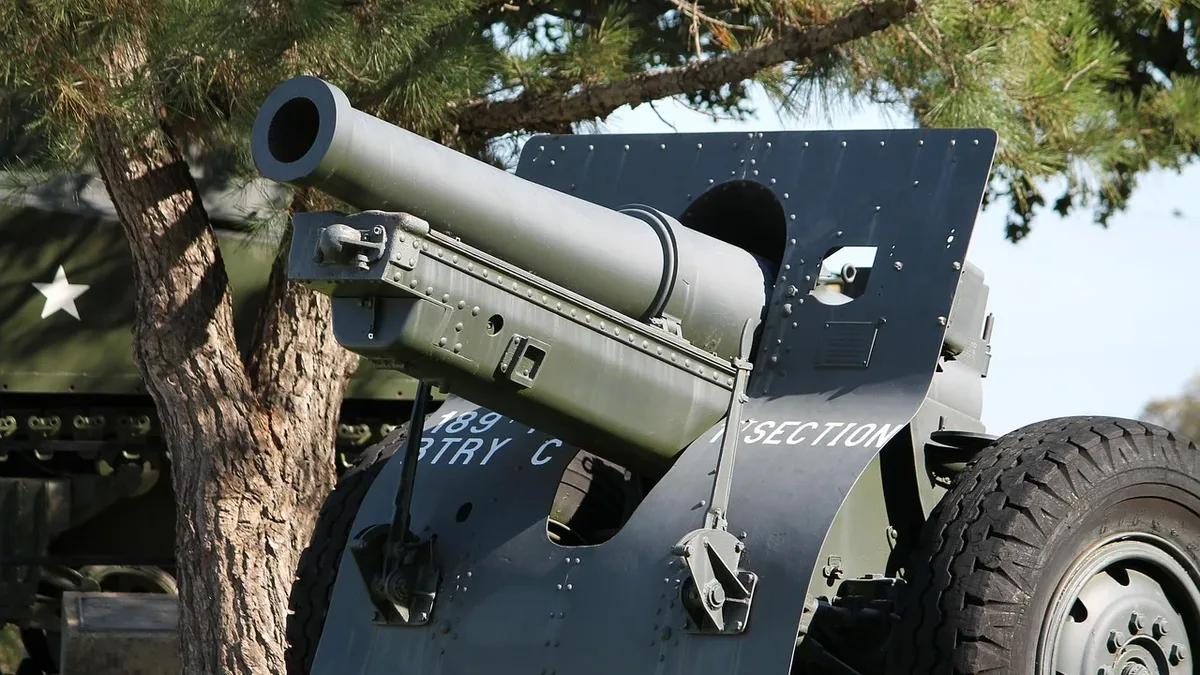
Joint land and air integration involved live-fire engagements. The table below outlines the key artillery and rocket systems used by both forces.
| Force | Artillery System | Rocket System |
|---|---|---|
| Australia | M777 155mm Howitzer | HIMARS |
| Indonesia | 105mm Howitzer | Multiple Launch Rocket System |
Air support was provided by Australian PC-21 and C-130J Hercules aircraft, alongside TNI EMB-314 Super Tucano aircraft and Bell-412 helicopters. Joint Terminal Attack Controllers coordinated air-to-ground operations. Specialised training elements included defensive cyber operations, range control parties, and Role 2 Forward medical treatment teams.
Strategic Significance
Commander Joint Operations Vice Admiral Justin Jones stated the exercise demonstrated the strength of the enduring defence relationship between Australia and Indonesia. He said it provided a realistic and demanding environment for training. The activities reinforced the ability to move and sustain forces, enhance readiness, and contribute to regional collective security.
The biennial exercise, which began in 2024, is expected to build confidence and improve interoperability between the two militaries. It shows growing strategic cooperation amid regional security challenges. The event reinforces regional collective security through sustained defence cooperation between Australia and Indonesia.