HMS Agamemnon departs Barrow for sea trials
The sixth Astute-class submarine, HMS Agamemnon, has left BAE Systems' Barrow shipyard for sea trials, nearly two years after its launch, marking a key
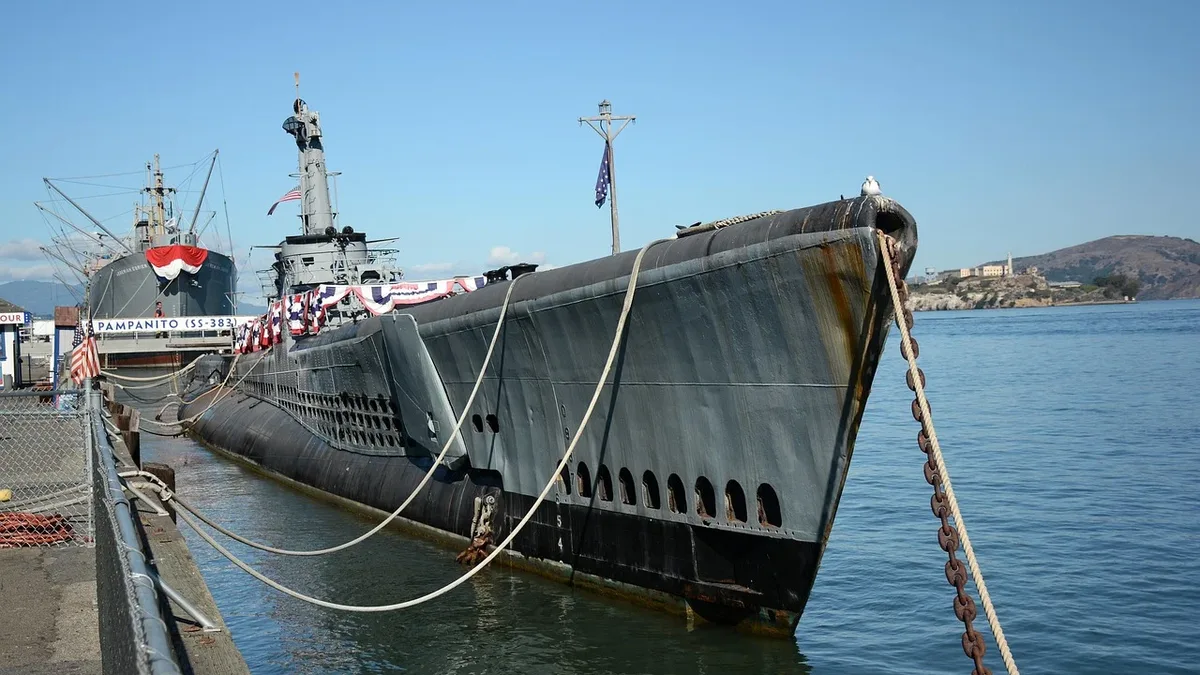
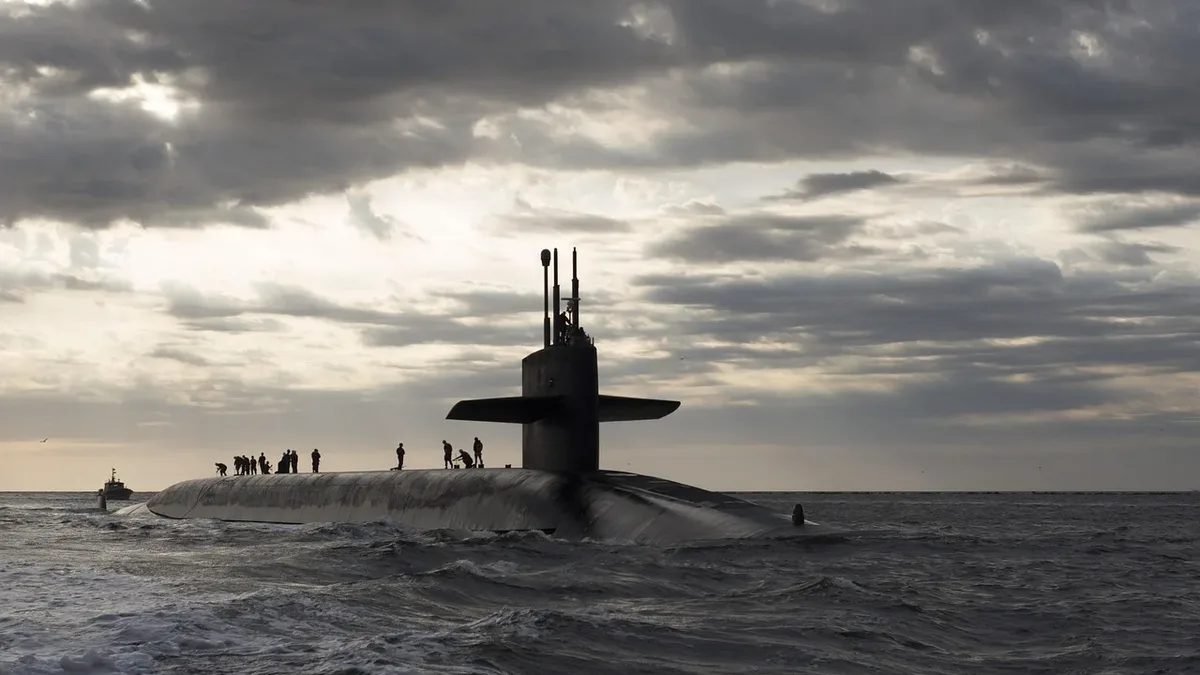
HMS Agamemnon has sailed from BAE Systems' Barrow-in-Furness shipyard for sea trials. The Royal Navy's latest nuclear-powered attack submarine departed nearly two years after its October 2024 launch, beginning a programme of weapons testing and crew training.
Following departure, the vessel is expected to head to Clyde Naval Base to continue its evaluation. HMS Agamemnon remained at the shipyard for another year after its ceremonial commissioning in September 2025 to complete work on its propulsion plant and other systems.
Capabilities and role in the fleet
HMS Agamemnon is the sixth submarine in the Astute-class series. It is armed with heavyweight Spearfish torpedoes and Tomahawk land-attack cruise missiles. The Tomahawk IV variant has a range of more than 1,000 miles.
Astute-class submarines are the largest, most advanced, and most powerful attack submarines operated by the Royal Navy. Their capabilities are oriented towards anti-submarine warfare, intelligence gathering, and precision strikes. They protect maritime task groups and support the UK's continuous at-sea deterrent, as well as NATO and coalition operations.
Programme context and industrial significance
The submarine's progress reflects broader trends in UK defence industrial strategy. According to the British Ministry of Defence, activities related to nuclear defence support more than 47,000 jobs across the UK, with more than 14,000 of those in Barrow-in-Furness.
The Defence Investment Plan backs £298 billion over the next four years. Of that, £47 billion is allocated for submarine build programmes, including maintenance and infrastructure. This spending enables the UK to produce a submarine every 18 months for the future SSN-AUKUS programme.
Growth in Barrow is supported by the £200 million Barrow Transformation Fund. The government states 1,800 additional roles have been created there under its tenure. Steel will be cut for the first SSN-AUKUS submarine in Barrow next year.
The Astute class will be succeeded by up to 12 new SSN-AUKUS submarines from the late 2030s. The extended period HMS Agamemnon spent in the dock basin after launch shows industrial challenges in transitioning late-stage hulls to sea trials. The vessel is unlikely to achieve full operational capability until late 2027.
Defence Secretary Wes Streeting stated he had been on board HMS Agamemnon and met her submariners and workers. He commented on the submarine's role for deterrence and national security. Maddy McTernan, Chief of Defence Nuclear, commented on the Defence Nuclear Enterprise and the Barrow workforce.
Technical details and historical background
HMS Agamemnon is the sixth Royal Navy vessel to bear the name. The keel was laid on 18 July 2013, and more than 13 years passed between the formal start of work and this first voyage. It was formally commissioned by King Charles III on 22 September 2025.
The Astute class comprises seven nuclear-powered boats. The seventh and final, HMS Achilles, is at an advanced stage of construction in Barrow.
| Specification | Detail |
|---|---|
| Class | Astute-class SSN (attack submarine) |
| Length | 97 metres |
| Displacement | 7,400 tonnes |
| Primary Armament | Spearfish torpedoes, Tomahawk land-attack cruise missiles |
| Propulsion | Rolls-Royce nuclear reactor (Derby-built) |
The submarines are powered by a Rolls-Royce nuclear reactor that does not require refuelling throughout their service lives. The recent experience of sister boat HMS Anson shows the evaluation process can take several months before reaching operational status.
HMS Agamemnon is expected to head to Clyde Naval Base to continue its evaluation programme.