Raytheon delivers 1,000th ESSM Block 2 missile to NATO consortium
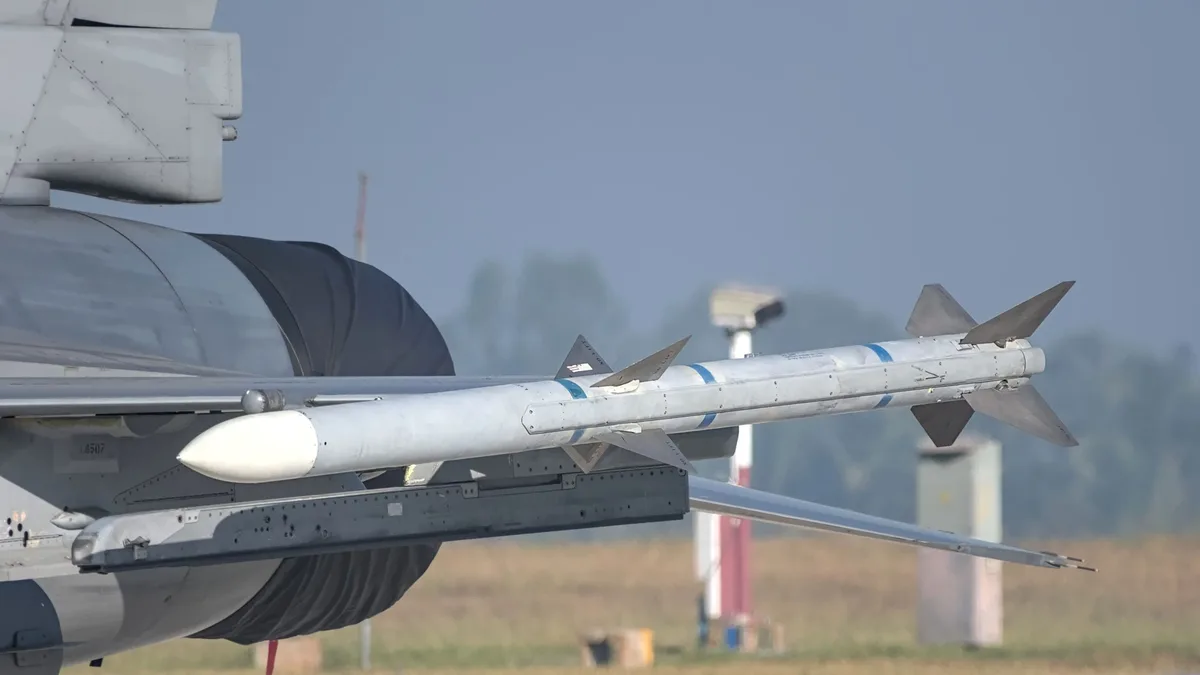
Raytheon has delivered the 1,000th ESSM Block 2 air defense missile to the NATO SeaSparrow Consortium.
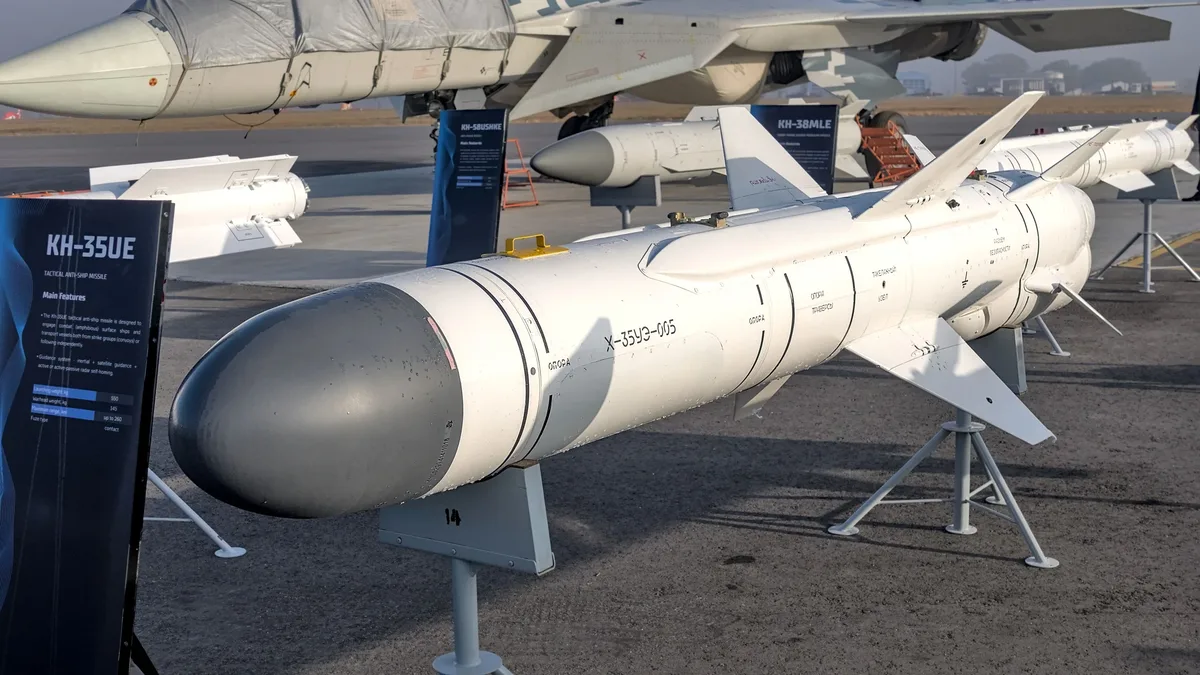
Raytheon delivered the 1,000th ESSM Block 2 missile to the 12-nation NATO SeaSparrow Consortium on 2 November. This milestone was reached just 16 months after the 500th missile was handed over.
Captain John Bowman, program manager for the US Navy’s NATO SEASPARROW Program Office (PMX-312), announced the delivery. Raytheon, an RTX business, serves as the prime contractor for the multinational industrial consortium. The NATO SESAPARROW Project itself is one of NATO's longest-running cooperative weapons programs, established in 1968.
Production Capacity
Raytheon and its partners are planning a significant production increase. The company delivered over 350 missiles in the previous year. "We delivered over 350 missiles last year," said Misty Holmes. The current production contract will conclude in early 2027. Plans are in place to ramp output to 65 missiles per month by 2029, achieving an annual rate of over 700 all-up-rounds.
Operational Context
The ESSM Block 2 is a ship-launched surface-to-air missile designed for self-defense and local-area defense against advanced airborne threats. Its key upgrade is a new dual-mode active and semi-active radar seeker. Earlier ESSM versions required the launching ship to continuously illuminate the target with radar during the missile's terminal flight. The Block 2's active seeker allows independent target detection and tracking in the final engagement phase. This reduces reliance on ship radar and increases combat system flexibility when engaging multiple, simultaneous threats.
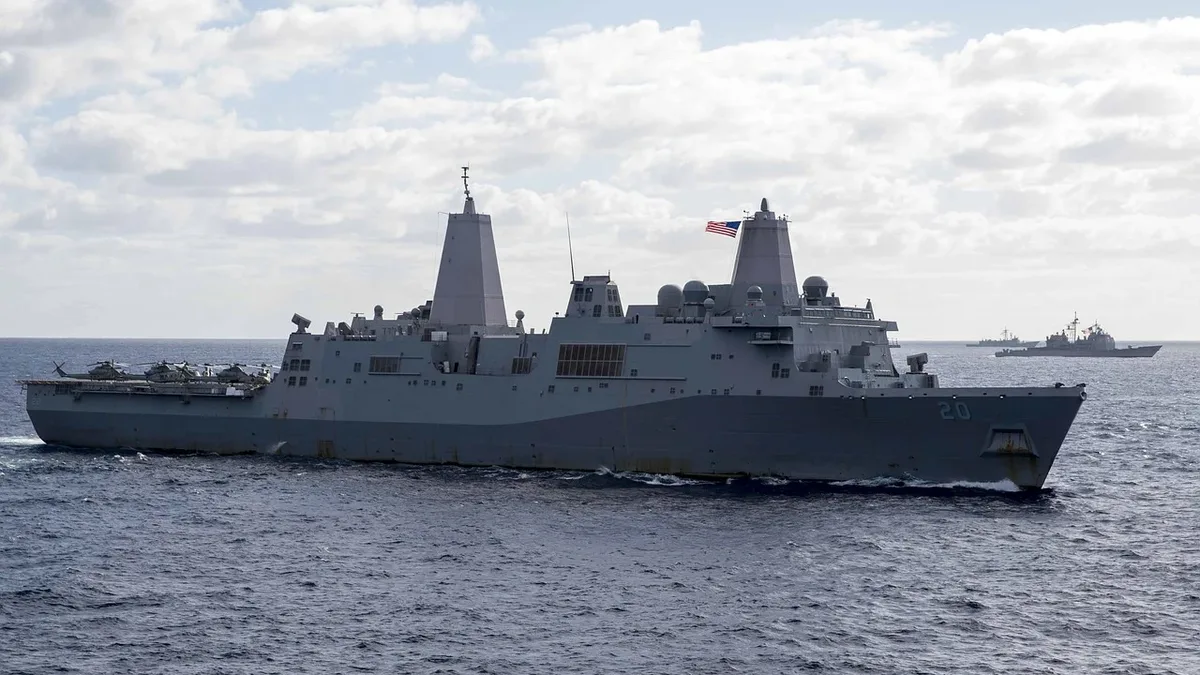
This capability is critical in current contested environments. U.S. and allied warships in the Red Sea and Gulf of Aden have faced repeated Houthi attacks. Modern warships have finite missile magazines, and reloading Vertical Launch Systems at sea is complex. In January 2025, Vice Adm. Brendan McLane reported the Navy fired nearly 400 munitions over 15 months of Red Sea operations, which included 20 ESSM and SM-3 interceptors.
The ESSM Block 2 achieved initial operational capability in 2021. It introduces several improvements over earlier versions:
| Feature | ESSM Block 2 Change |
|---|---|
| Seeker | New dual-mode active/semi-active X-band radar seeker |
| Guidance Section | Replaces legacy system; front end diameter increases from 8 to 10 inches |
| Data Link | New Dual Band Transceiver (S- and X-band) for in-flight communications |
| Warhead | Includes warhead improvements |
| Launch System | Can be quad-packed in the U.S. Navy’s Mk 41 Vertical Launching System (VLS) |
Industrial Partnership
The milestone shows the resilience of the multinational industrial base supporting the program. The NATO SeaSparrow Consortium comprises twelve nations: Australia, Belgium, Canada, Denmark, Germany, Greece, the Netherlands, Norway, Portugal, Spain, Türkiye, and the United States. The program is managed by PMX-312 within the Navy's Program Executive Office for Munitions.
Looking ahead, the NATO SeaSparrow Program Office is already advancing plans for a future evolution. It released a formal sources sought notice for the ESSM Next Significant Variant (NSV) in the third quarter of 2025. A Milestone B acquisition decision for the NSV is planned by September 2029. To meet current and future demand, Raytheon will ramp production to 65 missiles per month by 2029.