Shield AI Delivers First V-BAT VTOL Drones to Taiwan Coast Guard
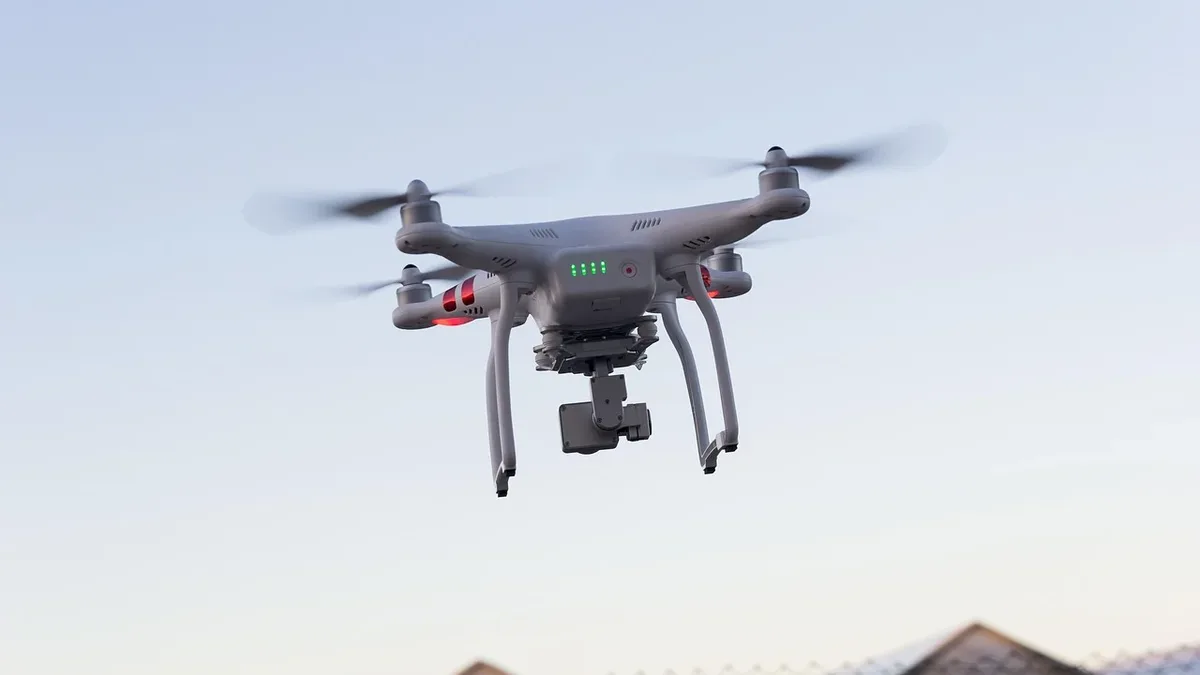
Shield AI has delivered the first V-BAT autonomous VTOL drones to the Taiwan Coast Guard Administration via local partner AIDC.
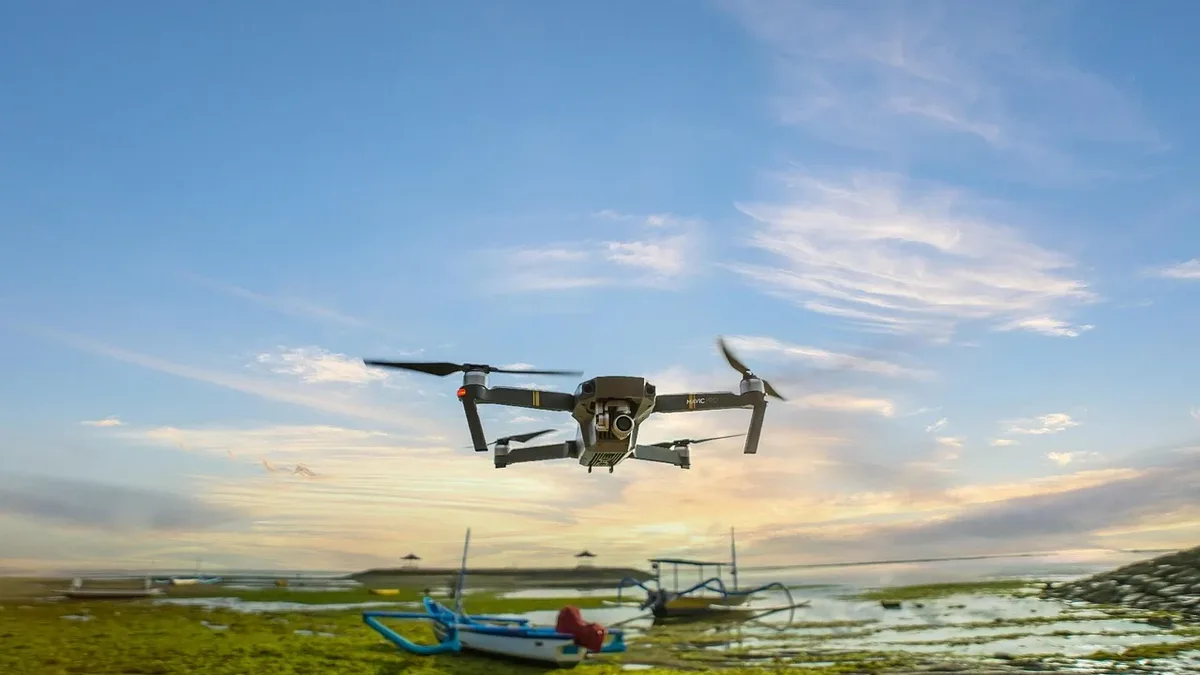
Shield AI has delivered the first V-BAT VTOL drones to the Taiwan Coast Guard Administration with local partner AIDC, following a competitive selection in July 2026. The company announced the first delivery on October 13, 2026. Over the coming months, twelve V-BATs will be delivered to the Coast Guard. The newly arrived aircraft were presented at the Port of Taipei on October 7, an event attended by Minister Kuan Bi-Ling of the Ocean Affairs Council and Secretary General Joseph Wu of the National Security Council.
Shield AI engineers demonstrated the aircraft's setup within minutes during the port visit. The Coast Guard selected the V-BAT for its shipborne UAV program in July. The first batch purchased by the service has now arrived.
Strategic Purpose and Operational Use
The V-BATs will provide persistent maritime domain awareness for surveillance, coastal patrols, and law enforcement. Shield AI President Brandon Tseng stated the system helps keep the Taiwan Strait safe from illegal activity and hostile actors. The Coast Guard will operate the V-BAT as a ship-based capability. It delivers intelligence, surveillance, reconnaissance, and targeting capability.
Brandon Tseng said the V-BAT can assist with coastal surveillance and drug seizures. He noted the platform helped intercept more than 100,000 pounds of narcotics last year for the U.S. Coast Guard.
Local Partnership and Sustainment
Shield AI is developing local support for the V-BAT fleet with Taichung-based Aerospace Industrial Development Corporation (AIDC). A formal Teaming Agreement between the two companies was announced on September 11, 2025, to advance Taiwan’s sovereign defense capabilities and aerospace industrial base. The collaboration includes sustainment, training, autonomy integration, and other technical initiatives.
Shield AI will train Coast Guard operators and maintenance personnel. AIDC President Jennifer Chuang said the Coast Guard selected Shield AI’s V-BAT because both companies could provide reliable local support. She added that Shield AI has strengthened its local presence in Taiwan over the past year and is willing to integrate, sustain and support advanced autonomous systems with local partners.
Jennifer Chuang said: "CGA’s V-BAT adoption demonstrates what can be achieved by combining Shield AI’s world-class technology with AIDC’s localized expertise."
Technical Advantages of the V-BAT
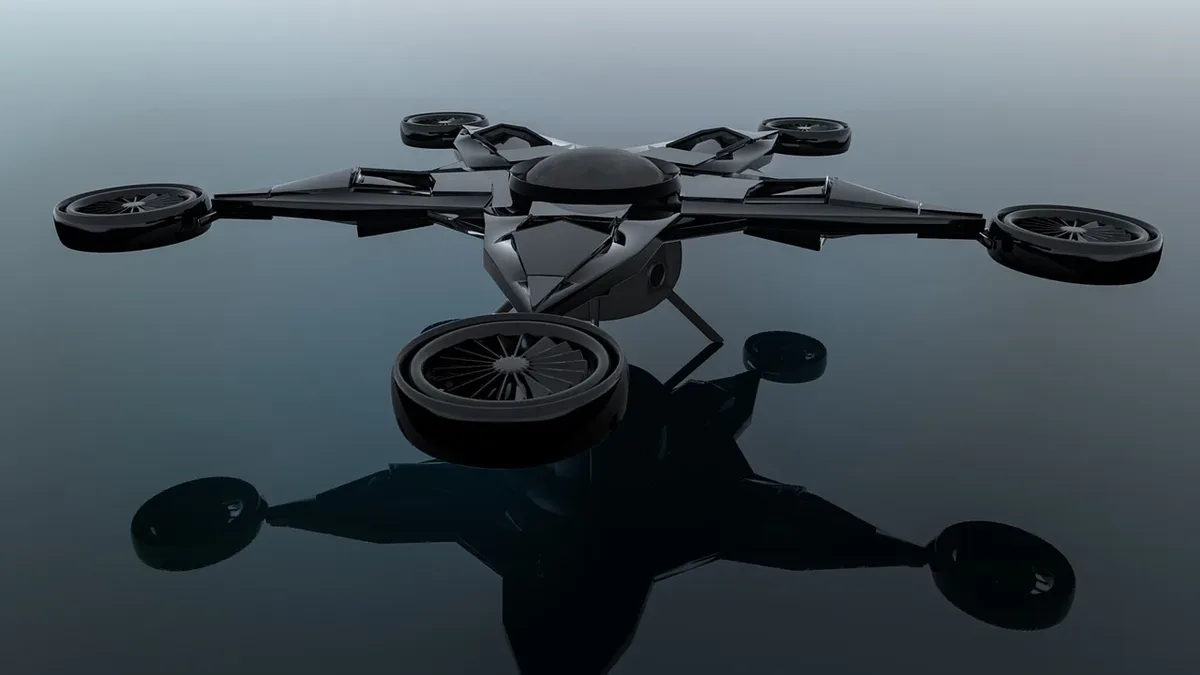
The V-BAT is a vertical take-off and landing aircraft with a ducted-fan, single-engine, enclosed-rotor design. This enables safe, unassisted launch and recovery from ship decks, urban rooftops, and austere environments, eliminating the need for runways. The system is a Group 3 uncrewed aircraft system with more than 12 hours of endurance and a heavy-fuel engine. It is designed for contested electronic-warfare environments and operates at a significantly lower cost and logistical burden than larger systems.
The V-BAT's specifications are detailed below:
| Specification | Detail |
|---|---|
| Height | 2.9 meters |
| Wingspan | 3.8 meters |
| Maximum Takeoff Weight | 75 kg |
| Endurance | 13+ hours without signal link |
| Payload | All-weather cameras |
VTOL design improves deployment flexibility and reduces personnel requirements. The V-BAT uses Shield AI’s Hivemind autonomous flight software. It is effective for maritime and expeditionary operations.
Brandon Tseng said: "V-BAT will give Taiwan’s Coast Guard the maritime domain awareness and intelligence picture needed across the Taiwan Strait and its maritime borders." Over the coming months, twelve V-BATs will be delivered to the CGA.