U.S. Iran War Costs Surge Past $47 Billion
The U.S. military has spent over $47 billion on the war in Iran, a figure more than 25% above the Pentagon's July estimate.

The United States military has spent over $47 billion on the war with Iran, a figure that exceeds the Defense Department's own July estimate by more than 25%. The conflict, launched jointly by the U.S. and Israel in February, is now projected to require more than $29 billion to replenish ammunition stocks and over $6 billion to replace lost aircraft and drones.
This escalating financial burden threatens U.S. fiscal stability and is influencing the political landscape ahead of the November 3 congressional elections. The war's impact on global energy prices has also weakened support for Republican candidates and lowered President Donald Trump’s approval rating.
Equipment and ammunition replenishment
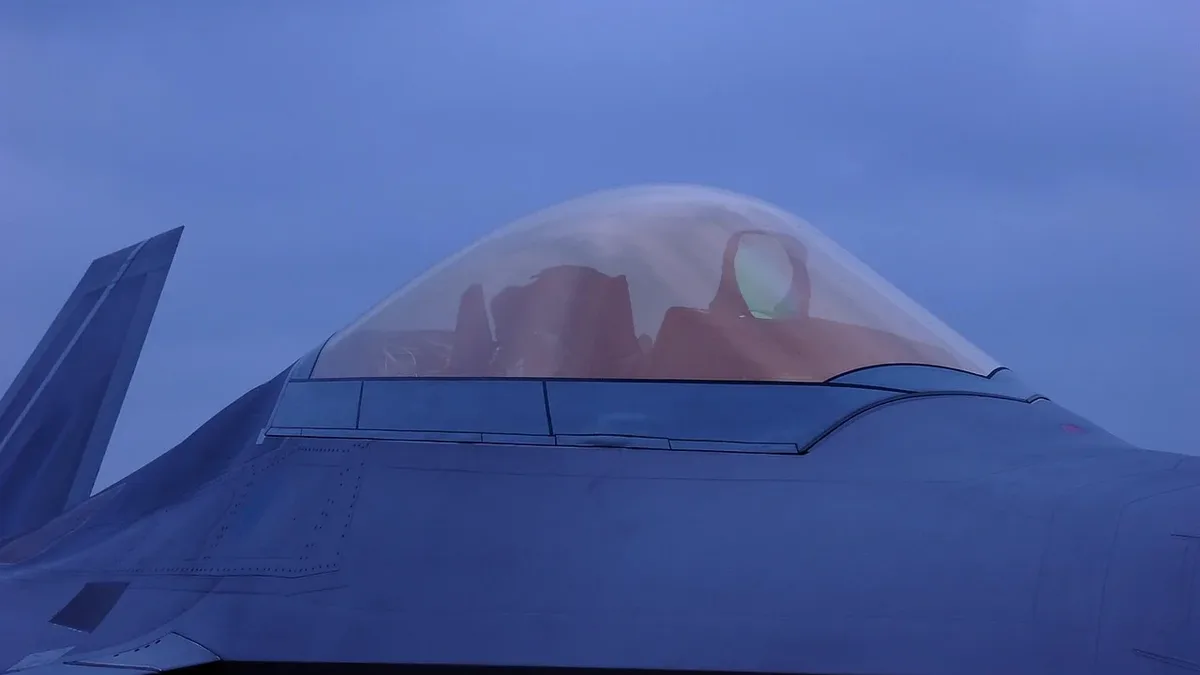
Replacing the military equipment destroyed or lost in the conflict, including aircraft and unmanned aerial vehicles, is earmarked to cost more than $6 billion. The far greater expense lies in restocking the ammunition expended during combat operations.
More than $29 billion of the total war cost is allocated for this purpose. According to the Pentagon inspector general, the industrial base cannot replenish these depleted stocks quickly. This process may take five years or more to complete.
The first five months of the war alone cost American taxpayers approximately $38 billion in direct expenses, a congressional study found. Operational costs such as flight operations and cyber support are included in the overall $47 billion figure.
Political fallout
Republicans, who hold narrow majorities in both chambers of Congress, face significant political pressure as the war's costs rise. The conflict is described as unpopular, and its financial impact is a top concern for voters ahead of the November 3 midterm elections.
Polls indicate Americans rejected this war more quickly than they did the conflicts in Iraq or Vietnam, with public support dropping rapidly. This voter backlash compounds the challenge for Republican campaigns.
Unaccounted costs and opaque estimates
The substantial costs of repairing U.S. military bases damaged by Iranian missile and drone attacks are not fully included in the current estimates. Damage from these attacks was not clearly accounted for in the Pentagon's calculations.
The Pentagon has not shared its $47 billion estimate publicly and did not respond to requests for comment on the spending figures. With the estimate withheld, Congress must decide how to fund the continued war effort in the weeks before the election.