House passes bill to avert October shutdown
The House passed a continuing resolution to fund the government through December 11, preventing an October shutdown.

The House of Representatives has passed a stopgap funding bill to avert a government shutdown in October. The continuing resolution extends federal funding through December 11.
Members voted 370-48 to pass the measure, easily securing the two-thirds majority required under a suspension of the rules. The bill, which originated in the Senate through a bipartisan deal, now goes to President Donald Trump for his expected signature.
For the Defense Department, the CR ensures current weapons programs can be funded at fiscal 2026 levels. It also prevents civilian employee furloughs and ensures troops are paid.
Bipartisan Support and National Security Claims
House Appropriations Committee Chairman Tom Cole, a Republican from Oklahoma, defended the bill on the House floor. He called it a clean, short-term continuing resolution that keeps the government open and protects progress toward full-year appropriations. He argued the bill protects national security by funding armed forces and security agencies, and by supporting key research and development programs to ensure military superiority.
Democratic leaders also backed the measure. House Democratic Caucus Chair Pete Aguilar projected broad bipartisan support for the bill. Rosa DeLauro, the top Democrat on the House Appropriations Committee, encouraged members to vote yes during a caucus meeting.
Excluded Funding and Anomalies
The bill notably excludes funding for the war in Iran that was requested by the president. Betty McCollum, the ranking Democrat on the House Appropriations defense subcommittee, praised this exclusion, stating she was proud the bill did not contain funding for what she called the president's war of choice.
In addition, the legislation does not include most of the special funding exemptions, known as anomalies, requested by the White House on behalf of the Pentagon. A list of unfunded anomalies was provided to Congress.
| Unfunded Anomaly | Purpose / Reason Provided by White House |
|---|---|
| $1 billion for Trump-class battleship | Needed for advanced procurement of the nuclear propulsion system. |
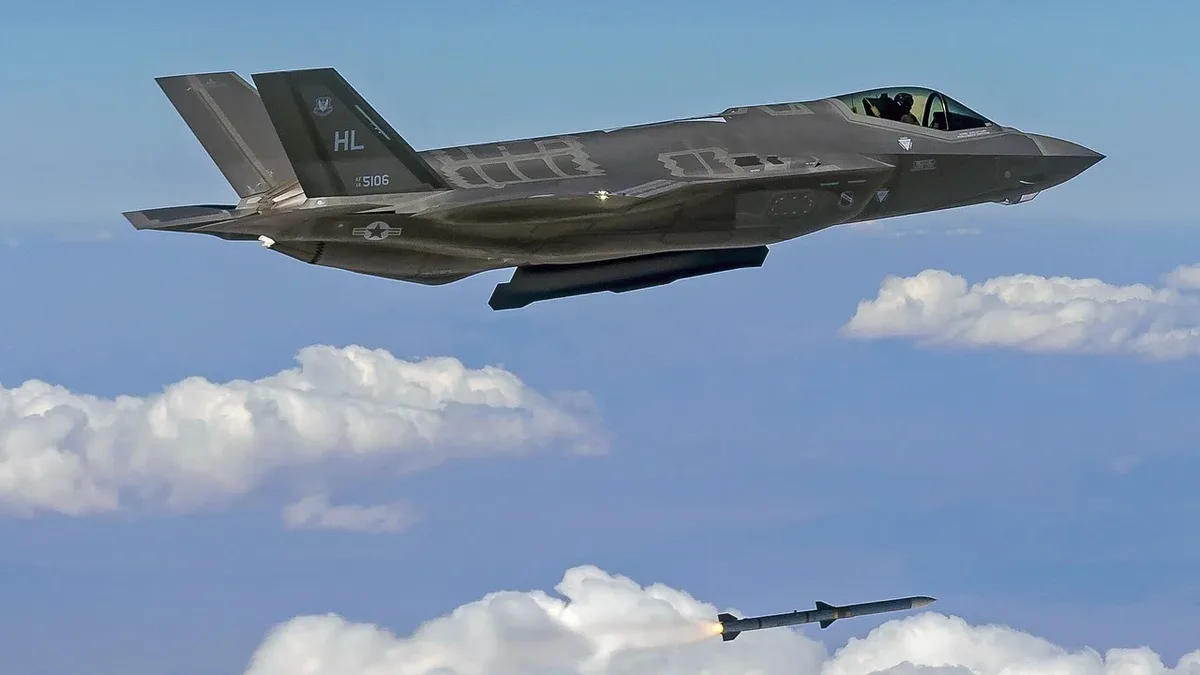
| Language for five key munitions programs | To allow Pentagon to obligate funds for Patriot PAC-3, Tomahawk, AMRAAM, and two Standard Missile-3 variants; warned of cancellation liabilities on multi-year procurement contracts. |
| Language to exempt reconciliation funds from sequestration | Without it, about 8% of unobligated reconciliation funds would be unavailable starting October 1. |
Restrictions on New Programs
Instead of granting those exceptions, the continuing resolution contains standard language common to such stopgap measures. This boilerplate language prohibits the use of funding to start new programs or enter into new multiyear contracts.
The White House had argued that the munitions funding language was necessary to avoid incurring cancellation liabilities on existing multi-year procurement contracts if the Pentagon could not order the negotiated production quantities. The exemption for reconciliation funds was intended to shield them from automatic spending cuts when the new fiscal year begins.