Ndrangheta Expands Cocaine Hub in Ecuador
The Italian 'Ndrangheta mafia is using Ecuador as a key logistics hub for cocaine trafficking to Europe, operating through local gangs and international networks.
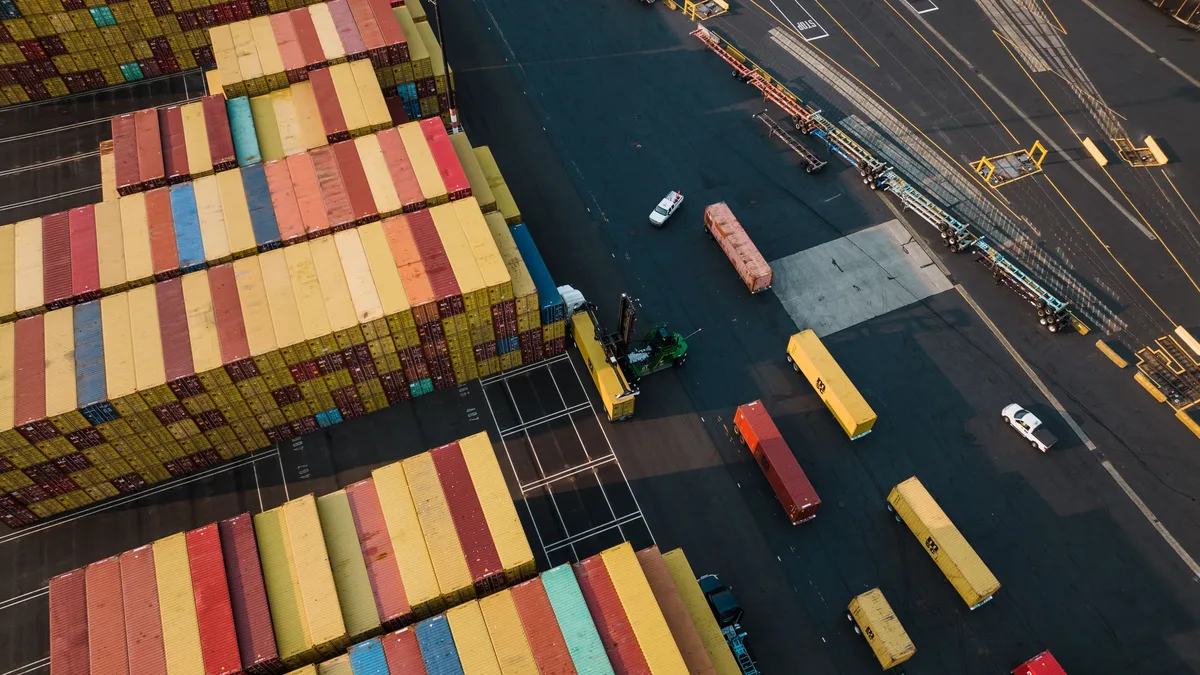
Ecuador seized nearly 300 metric tons of drugs in 2024, one of the world's highest totals according to the United Nations Office on Drugs and Crime. During the first months of 2026 alone, authorities confiscated more than 70 metric tons of narcotics, a figure that would dominate any criminal stats page. Investigations in Ecuador, Colombia, and Italy highlight the growing role of the Calabrian mafia, the 'Ndrangheta, in networks connecting South American cocaine production to European markets. These networks operate through financial, logistical, and commercial structures linking local criminal organizations, international intermediaries, and European buyers rather than directly controlling territory.
Ecuador's location between Colombia and Peru, combined with its large commercial ports used to export bananas, creates ideal conditions for concealing cocaine within legitimate trade flows. The international reach of these routes was underscored in July when Ecuadorian authorities seized 1.7 metric tons of cocaine hidden in a fruit shipment bound for Denmark. The coastal province of El Oro, facing the Pacific Ocean and bordering Peru, serves as a natural corridor linking cocaine-producing areas to maritime routes bound for Europe. Foreign criminal organizations such as the 'Ndrangheta seek to exert influence over corridors used to move narcotics.
The 'Ndrangheta's expansion depends on integration with local criminal organizations, Balkan networks, and other Latin American actors. These connections facilitate the entire criminal supply chain, from cocaine procurement and port logistics to international distribution and money laundering. The links between the 'Ndrangheta and Brazil's PCC, as well as Los Choneros, Los Lobos, Los Tiguerones, Albanian criminal networks, and Mexican organized crime, have been fully established from a judicial standpoint. Albanian networks have evolved from intermediaries to maintaining direct relationships with producers, port operators, and local groups. Within this system, Ecuadorian groups provide territorial control and logistical support. Albanian networks play an increasingly important role in port and commercial operations. The 'Ndrangheta provides financing, access to European distribution networks, and international money laundering mechanisms.
The presence of 'Ndrangheta-linked operators extends beyond cocaine trafficking. Investigations point to the use of front companies to facilitate commercial transactions, conceal illicit activities, and lend legitimacy to logistics used by criminal organizations. The case of mafia boss Roberto Nastasi is emblematic. For years, he presented himself as an entrepreneur in Guayaquil's home appliance sector. According to Colombian authorities, he used business structures to facilitate the purchase and shipment of cocaine to Europe and acted as a liaison between the 'Ndrangheta and the Clan del Golfo.
This dynamic helps explain why the Colombia-Ecuador axis has become increasingly strategic. While Colombia remains the world's largest cocaine producer, Ecuador provides access to international ports, commercial infrastructure, and maritime routes to Europe's principal consumer markets. The 2025 arrest in Colombia of Giuseppe Palermo, alias Peppe, considered one of the 'Ndrangheta's principal operators in Latin America, illustrates this regional dimension. Colombian police stated Palermo coordinated the purchase of large cocaine shipments in Colombia, Peru, and Ecuador before sending them to Europe.
The strengthening criminal ecosystem linking the 'Ndrangheta with Ecuadorian gangs, Albanian networks, Mexican cartels, and Colombian armed groups represents a threat extending beyond drug trafficking. The risk is that Ecuador could evolve from a transit country into a permanent operational platform for global organized crime, altering the regional security standings. The influx of foreign criminal capital and expertise increases local organizations' operational capabilities, fueling violence and disputes over strategic logistics corridors and port infrastructure. This model makes identifying command structures more difficult and increases criminal networks' adaptability.
To confront this, international cooperation, intelligence sharing, and stronger collaboration between Ecuador and its partners are essential. In July, the Ecuadorian Navy and U.S. Navy personnel conducted joint training and maritime patrols in Esmeraldas to strengthen maritime interdiction capabilities. Targeting financial resources is equally important. Worldwide, authorities seize between 10 and 15 percent of the drugs but confiscate less than 1 percent of criminal assets.