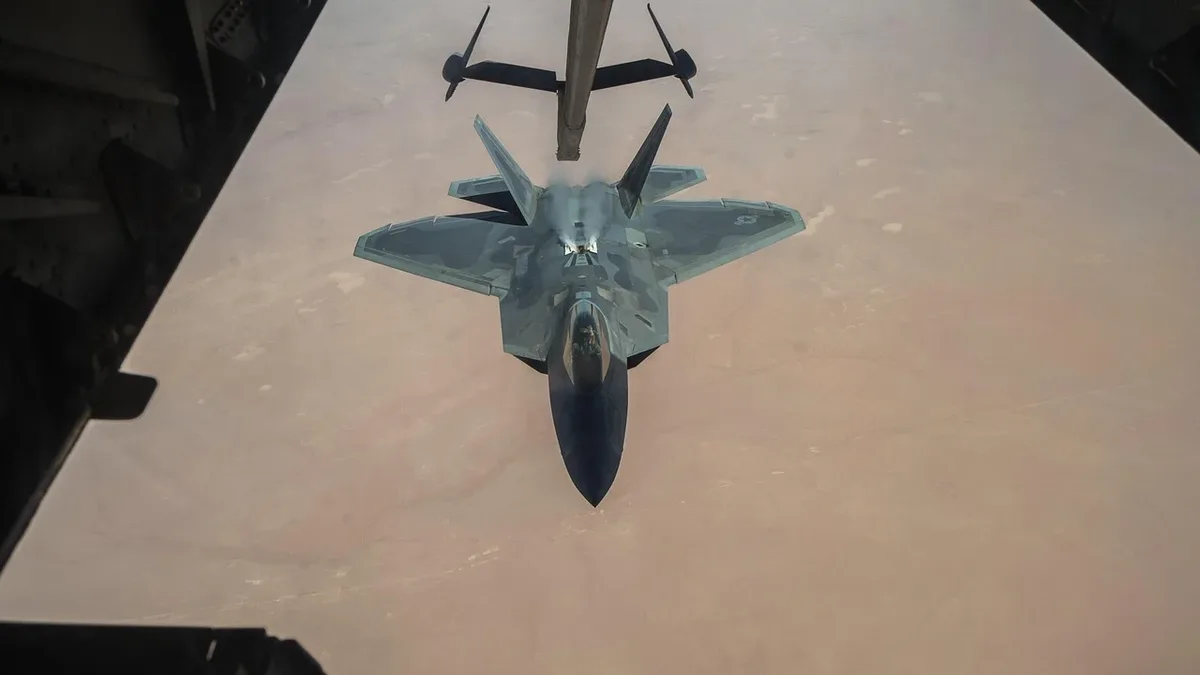
Best Fighter Jet In The World
| Top speed | Mach 1.6 to Mach 2.5+ |
|---|---|
| Service ceiling | 50,000 to 65,000+ feet |
| Range | Varies by configuration and mission |
| Armament | Air-to-air and air-to-ground missiles, cannon |
| Radar type | Active Electronically Scanned Array (AESA) |
| Crew | 1 or 2 |
| Generation | 4th, 4.5th, or 5th |
| Thrust-to-weight ratio | Varies by load and fuel state |
Fastest Best Fighter Jet In The World
The designation of the fastest operational fighter jet in the world is held by the Mikoyan MiG-31 Foxhound, an interceptor developed by the Soviet Union. Its primary role is not traditional air combat maneuvering but high-speed interception of high-altitude targets, including reconnaissance aircraft and cruise missiles. The aircraft achieves its exceptional speed through powerful twin engines and an airframe designed for high-altitude, high-velocity flight. This performance comes with significant trade-offs, including considerable weight and lower agility compared to multirole fighters. The MiG-31's speed enables it to cover vast areas of airspace quickly, a critical requirement for nations with extensive borders. It remains in service primarily with the Russian Aerospace Forces, where it fulfills a specific and enduring strategic air defense niche.
Best Fighter Jet In The World specs
A consensus "best" fighter jet does not exist, as superiority is context-dependent on mission, threat environment, and national industrial policy. Modern top-tier aircraft like the Lockheed Martin F-35 Lightning II, the Chengdu J-20, and the Sukhoi Su-57 represent different philosophical approaches to air dominance. Key specification categories for comparison include sensor fusion, low observability (stealth) characteristics, weapon payload, and network-centric warfare capabilities. Engine performance, range, and sustained turn rates remain fundamental physical metrics for air-to-air combat. Avionics suites, particularly active electronically scanned array (AESA) radars and electronic warfare systems, are now more decisive than pure kinematic performance. Procurement and lifetime operating costs are also critical specifications that directly influence the size and capability of a nation's fleet.
Overview
The concept of the "best" fighter jet is intrinsically linked to a state's defense strategy, industrial base, and perceived threats. A nation with a focus on power projection and network-centric warfare will prioritize stealthy, sensor-fused aircraft like the F-35. A state concerned with territorial defense against high-altitude incursions may value extreme-speed interceptors like the MiG-31. Other countries may seek a balance of cost and capability, opting for advanced but less stealthy "4.5 generation" aircraft like the Eurofighter Typhoon or Dassault Rafale. The development programme for a top-tier fighter represents a massive, long-term national investment, often spanning decades from concept to operational service. These programmes are as much about sustaining technological and industrial sovereignty as they are about producing an aircraft. The operational role of such aircraft extends beyond air combat to include strike, reconnaissance, and electronic attack, forming the cornerstone of a modern air force.
What to know
Selecting a fighter platform is a strategic decision with consequences lasting 30-40 years, locking a nation into a specific supply chain and upgrade path. Stealth technology is not an absolute cloak but a design philosophy that reduces detection ranges, fundamentally altering how missions are planned and executed. Modern combat effectiveness is less about individual dogfighting prowess and more about which aircraft can see, target, and engage the enemy first, often from beyond visual range. The integration of the fighter into a broader battle network, sharing data with other platforms, is a force multiplier that can outweigh raw performance advantages. No single aircraft excels in every mission profile; a heavy air superiority fighter will have different strengths and weaknesses than a lighter, multirole design. Continuous software updates are now as critical as hardware upgrades, dictating the pace at which new capabilities and weapons can be deployed.
Common questions
A common question is why fifth-generation stealth fighters are so expensive compared to previous generations, which is due to the integration of advanced low-observable materials, complex sensor fusion software, and cutting-edge manufacturing techniques. Many ask if dogfighting is still relevant, a question answered by the continued inclusion of internal cannons and high-off-boresight missiles on new designs, as visual-range engagements remain a possibility. People often question the survivability of non-stealth aircraft in modern conflict, which depends heavily on mission, support from electronic warfare and standoff weapons, and the specific adversary's integrated air defense systems. There is frequent debate over the merits of single-engine versus twin-engine designs, involving trade-offs between cost, maintenance, thrust-to-weight ratio, and perceived safety over water or remote areas. Observers commonly ask why more countries do not simply develop their own advanced fighters, a barrier due to the extraordinary financial cost, required technological base, and sustained political will needed. A final recurring question concerns the role of unmanned combat air vehicles, which are expected to complement and eventually succeed manned fighters in certain high-risk missions but face significant technological and regulatory hurdles.
Pros and cons
A primary advantage of a modern multirole stealth fighter is its ability to penetrate contested airspace and deliver precision ordnance, a capability that reshapes an air force's strategic options. The sensor fusion of such aircraft provides unparalleled situational awareness for the pilot, reducing workload and improving decision-making speed. A significant drawback is the staggering procurement and sustainment cost, which forces difficult trade-offs in fleet size and can crowd out funding for other essential military capabilities. Common regrets from operators often stem from underestimated logistical complexity, with stealth coatings and embedded sensors requiring specialized maintenance facilities and highly trained ground crews, leading to lower readiness rates than anticipated. Another con is the inherent risk of technological obsolescence, where an aircraft's closed architecture or proprietary systems can make incremental upgrades prohibitively expensive, locking operators into a vendor's schedule. The common mistake is pursuing the platform with the highest advertised performance in a single domain, while neglecting the broader ecosystem of training, simulators, munitions, and support infrastructure required to generate actual combat power.
Who it suits
A stealthy, network-centric fighter like the F-35 best suits a nation aligned with the United States and its allies, invested in interoperability for coalition warfare and willing to accept the constraints of a multinational programme. A large, technologically advanced state with global power projection ambitions, such as the United States or China, requires a mix of heavy air superiority fighters and multirole aircraft to address a wide spectrum of threats. Nations with vast territorial boundaries, like Russia, continue to find value in specialized high-speed interceptors to maintain a continuous air defense presence over remote areas. Countries with strong indigenous aerospace industries and a desire for strategic autonomy, like France with the Rafale, are suited to developing their own capable, if less numerous, fourth-generation-plus fighters. Smaller or budget-constrained states may find that advanced but less complex fighters, supported by robust air defense systems, offer a more sustainable and cost-effective deterrent. Ultimately, the best fighter suits the state whose doctrine, industrial policy, threat assessment, and financial resources align with the aircraft's inherent design philosophy and operational limitations.
Latest Best Fighter Jet In The World news
Latest reporting
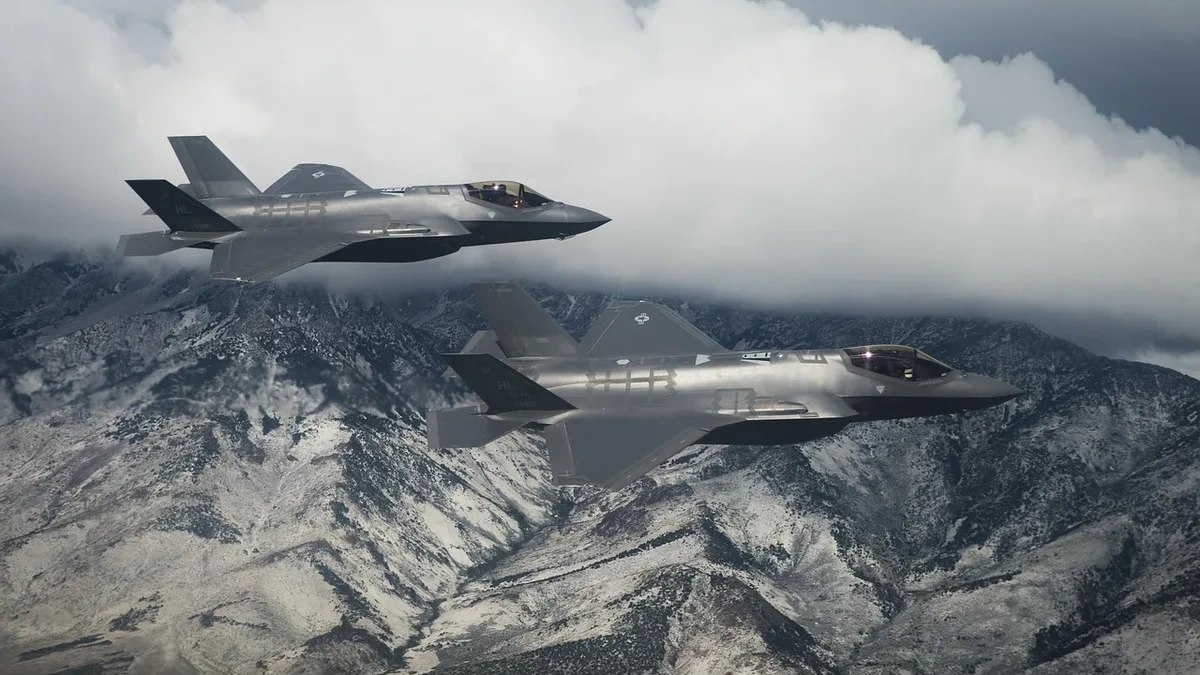
F-35 lifetime cost falls below $2 trillion
The Pentagon's latest estimate for the F-35 fighter's total lifecycle cost has dropped to $1.93 trillion, even as its acquisition price has risen to...
Romanian F-16s Intercept Suspected Russian Naval Drone Near Key Gas Platform
Romanian F-16 fighter jets intercepted a suspected Russian naval drone near the country's main gas platform in the Black Sea
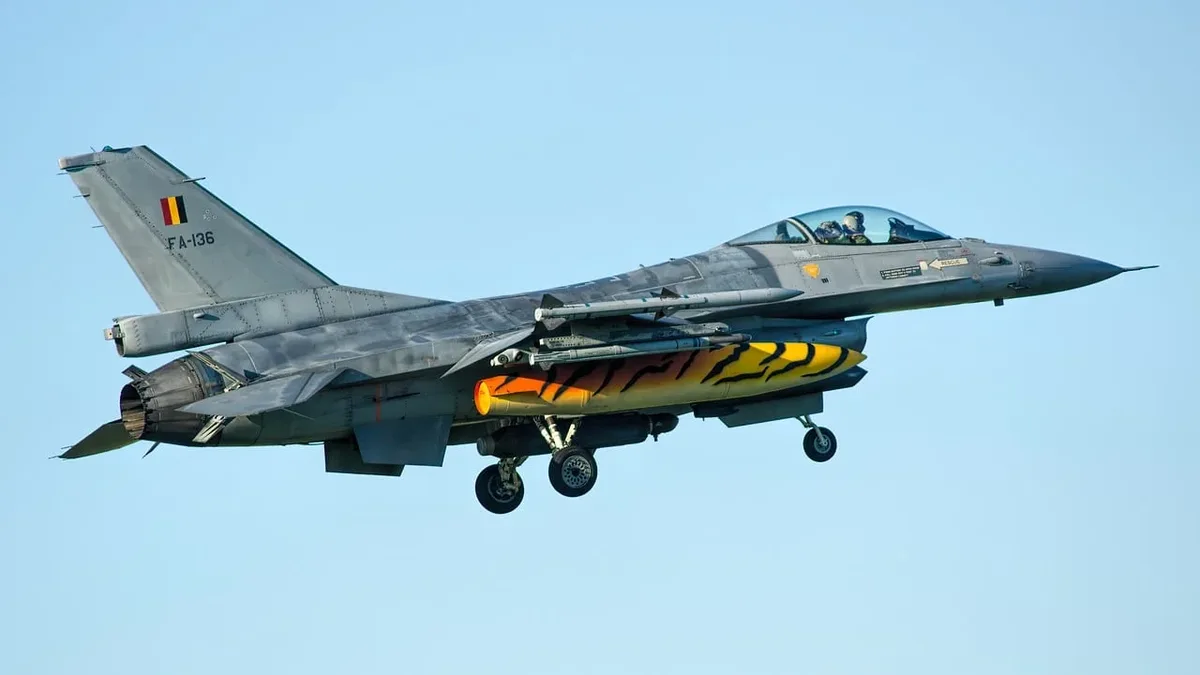
Belgian Air Force Achieves Milestone with First Guided Bomb Launch from F-35
The Belgian Air Force has reached a new milestone in its F-35 programme with the successful launch of a guided bomb from one of its new fighter jets.
Rolls-Royce Seeks to Join Development of India's AMCA Fighter Jet Engines
Rolls-Royce has announced its intention to partner with Reliance Industries Limited to develop engines for India's AMCA fighter jet