International Purchases
| Country of origin | United Kingdom |
|---|---|
| First created | 2010s |
| Original use | To procure equipment and services from foreign suppliers for the UK armed forces |
| Managed by | Defence Equipment & Support (DE&S) |
| Funding type | Ring-fenced Treasury allocation |
| Scope | Major platforms, subsystems, and support services |
| Procurement route | Government-to-government (FMS/DCS) or international competition |
Origin and history
The practice of International Purchases by armed forces is a modern extension of statecraft and military logistics, emerging prominently in the late 19th and early 20th centuries. This period saw the industrialization of warfare, where domestic production could no longer singularly meet the rapid technological demands of military forces. Initially focused on procuring individual weapon systems or raw materials from allied or neutral industrial powers, the scope expanded significantly following the Second World War. The formation of enduring military alliances, such as NATO, institutionalized defense cooperation and cemented international procurement as a standard budgetary line. The Cold War era further accelerated this trend, with nations seeking to quickly acquire advanced technologies to counter perceived threats, often from the United States or Western European manufacturers. Consequently, dedicated budget lines for International Purchases became a formal, separate component within broader defense equipment programming, reflecting a strategic shift from pure self-reliance to selective interdependence.
What it is for
The International Purchases budget line is specifically allocated for the acquisition of defense articles and services from foreign suppliers when domestic industry cannot provide them. Its primary purpose is to fill critical capability gaps in the shortest possible timeframe, enabling a military to field operational systems without the delay and cost of indigenous research and development. This budget funds the purchase of complete platforms, such as aircraft, naval vessels, or armored vehicles, as well as specialized subsystems like radar, engines, and missile technology. It also covers associated costs including technical documentation, training, initial spares, and logistical support packages from the original equipment manufacturer. Furthermore, it is utilized for participating in multinational joint development programs where costs are shared, and for purchasing commercial off-the-shelf items that are not produced domestically. Ultimately, it serves as a tool for interoperability, ensuring that a nation's armed forces can operate seamlessly alongside allied forces that use similar equipment and standards.
Pros and cons
A principal advantage of international procurement is rapid capability delivery, allowing a military to leapfrog technological generations by adopting already proven and in-production systems. It can also be more cost-effective than funding a costly and risky domestic development program from scratch, particularly for small and medium-sized nations. Engaging in international purchases fosters stronger defense diplomacy and industrial partnerships with allied nations, potentially leading to technology transfer and co-production agreements. However, a significant con is long-term dependency on a foreign nation for spares, maintenance, upgrades, and political export approvals, which can compromise operational sovereignty during tensions or embargoes. Integration challenges are common, as foreign systems may not seamlessly communicate with existing domestic command networks or legacy equipment, requiring expensive interface solutions. A frequent regret and common mistake is underestimating the through-life support costs, which are often negotiated separately and can escalate budgets decades after the initial purchase, leaving the operator with a stranded asset if support is withdrawn.
Who it suits
International Purchases suit nations with limited domestic defense industrial capacity, particularly those seeking to establish or modernize a specific military capability quickly and efficiently. It is a strategic choice for smaller states that cannot justify the enormous R&D investment required for developing advanced fighter aircraft, submarines, or missile defense systems on their own. This approach also suits countries that prioritize interoperability within a military alliance, as procuring common equipment used by major allies simplifies joint operations, training, and logistics. Nations facing an immediate and tangible security threat may find it the only viable route to rapidly bolster their defensive posture with mature technology. Conversely, it is less suited for major powers with the industrial base and strategic imperative for autarky in critical defense technologies, or for nations subject to volatile geopolitical relationships that could see supply chains abruptly severed. It is a practical solution for filling discrete capability gaps but is a poor long-term foundation for a military that aspires to complete strategic autonomy and technological leadership.
Latest International Purchases news
Latest reporting
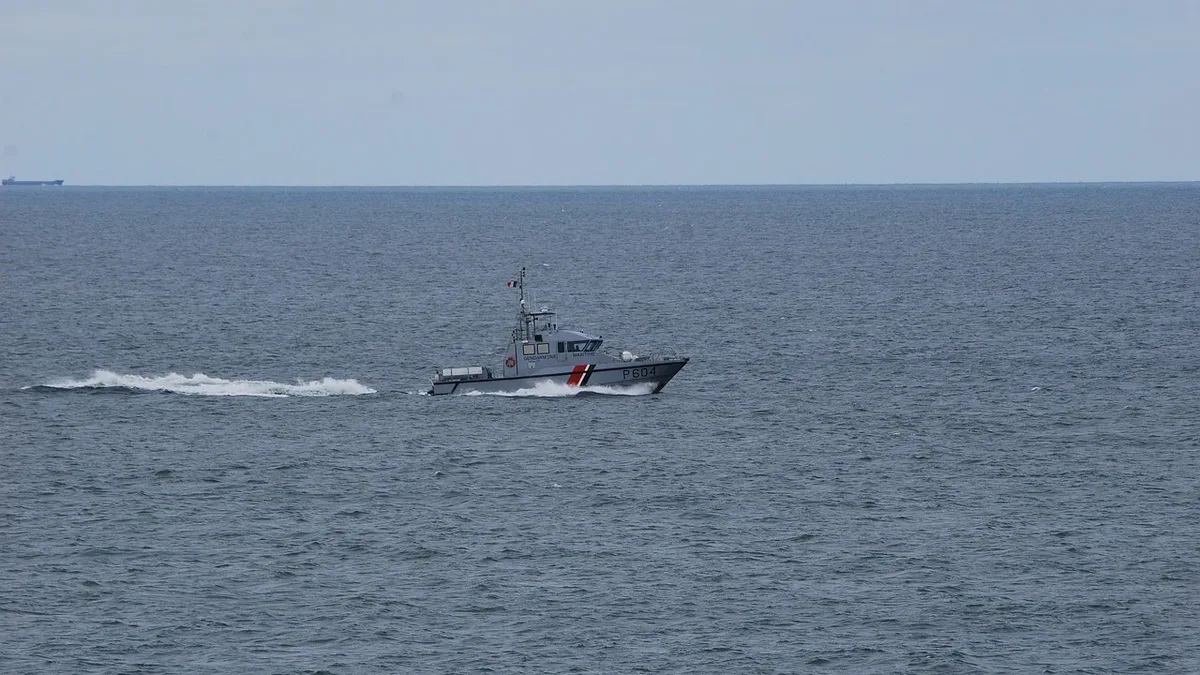
Maritime Intelligence Key to Counter-Drug Operations
International naval and law enforcement agencies are using shared maritime intelligence to track and intercept drug shipments at sea, as traffickers...
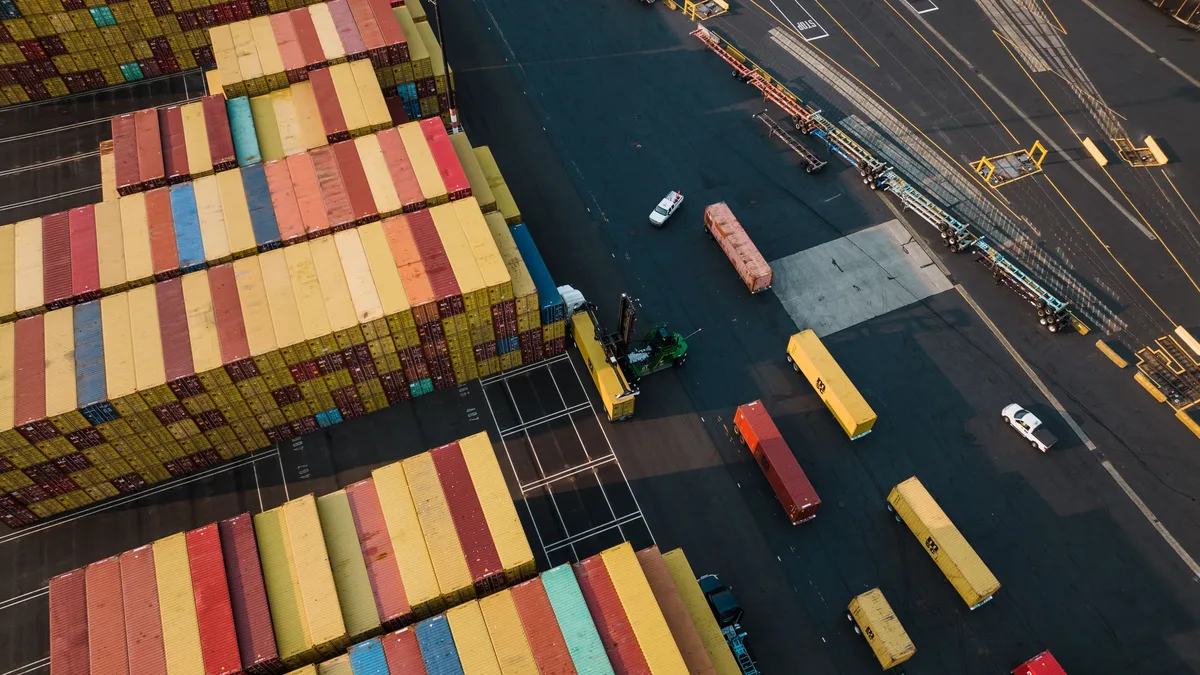
Ndrangheta Expands Cocaine Hub in Ecuador
The Italian 'Ndrangheta mafia is using Ecuador as a key logistics hub for cocaine trafficking to Europe, operating through local gangs and...

Ecuador's Synthetic Drug Frontier Raises Regional Security Concerns
Ecuador has become a key transit point for synthetic drug shipments, posing new challenges for border security and international law enforcement...
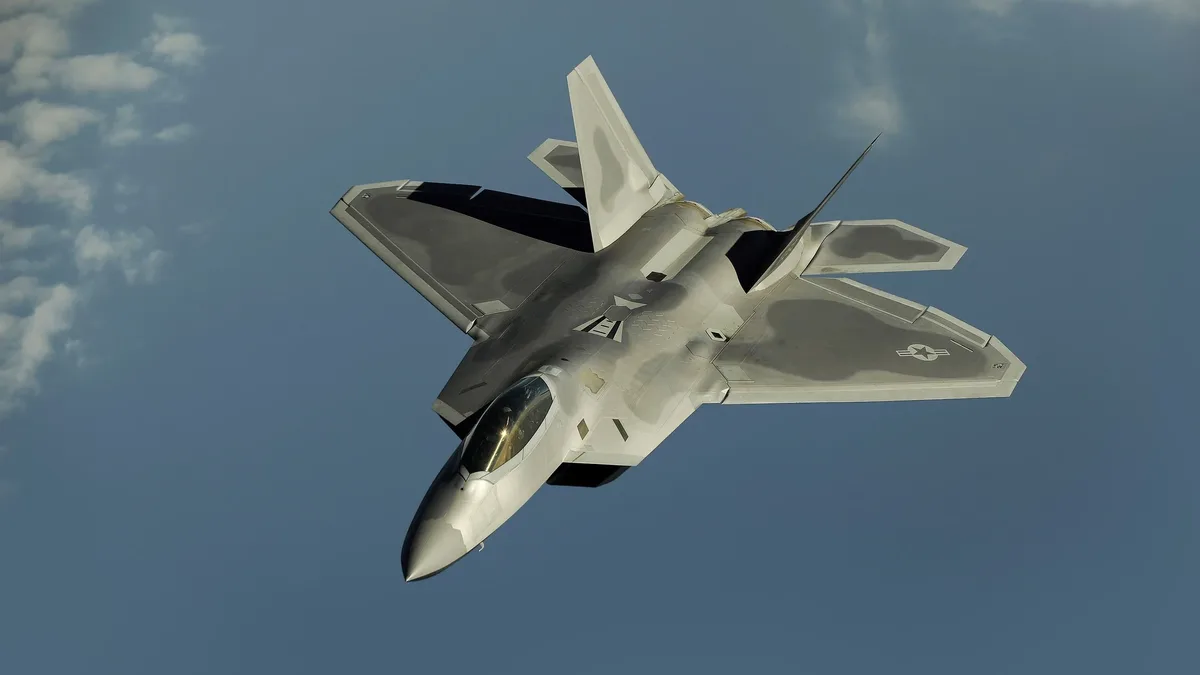
PANAMAX 2026 Enhances Multinational Medical Readiness in Panama
A recent medical readiness training exercise in Panama has strengthened the country's medical readiness and interoperability with international...