
Argentina, Chile, Colombia, Peru, Mexico
| Country of origin | Argentina |
|---|---|
| Original use | Counter-insurgency and border security |
| Role in the state | National gendarmerie, border and internal security force |
| Parent organization | Ministry of Security |
| Size | Medium to large (among national police forces) |
| Notable equipment | Light armored vehicles, small arms, helicopters |
| Deployment | Nationwide, with focus on border regions and rural areas |
Origin and history
The modern armed forces of Argentina, Chile, Colombia, Peru, and Mexico originated from the military structures established during their respective wars of independence from Spain in the early 19th century. These institutions were fundamentally shaped by the protracted and often violent processes of state formation that followed independence, frequently involving internal conflicts and border wars. The Chilean military, for instance, solidified its identity and structure through the War of the Pacific in the late 19th century, which also redefined the forces of Peru and Bolivia. Colombia's military history is deeply intertwined with the country's internal partisan conflicts, notably the Thousand Days' War and later La Violencia, evolving into a central actor in the protracted internal armed conflict. The Argentine armed forces developed a strong institutional identity through the Conquest of the Desert in the late 19th century and later played a dominant, often disruptive, role in the nation's political life throughout much of the 20th century.
What it is for
The primary constitutional role of these armed forces is the external defense of national sovereignty and territorial integrity, a mandate common to all five nations. A second, and in some cases operationally dominant, role is the guarantee of internal order and security, often framed as supporting civil authorities against non-state threats. In Colombia and Peru, this has historically meant a deep, sustained involvement in counter-insurgency and counter-narcotics operations against guerrilla groups and drug trafficking organizations. In Mexico and Chile, the armed forces are increasingly tasked with public security missions, such as combating organized crime, a role that has expanded significantly since the late 20th century. The Argentine military, following the return to democracy in the 1980s, has seen its internal security role legally constrained, focusing more on international peacekeeping, disaster relief, and Antarctic sovereignty patrols. All five forces also engage in civic action programs, such as engineering projects and disaster response, to maintain institutional legitimacy and public support.
Pros and cons
A primary advantage of these institutions is their capacity for rapid, large-scale logistical deployment and command in national emergencies, such as natural disasters, where civilian agencies may be overwhelmed. Their disciplined hierarchical structure and nationwide presence can provide a stabilizing force in regions with weak state institutions or high levels of criminal violence. A significant con is the persistent risk of mission creep, where armed forces designed for conventional warfare become entrenched in domestic policing, which can blur legal frameworks and strain civilian oversight. This often leads to human rights concerns, as military training and rules of engagement are not optimized for law enforcement, potentially resulting in excessive force and undermining democratic accountability. Another common drawback is the competition for finite national budgets, where large capital expenditures on military equipment can divert resources from social spending, education, or more appropriate law enforcement capacity building. Furthermore, a history of political intervention, particularly in Argentina and Chile in the 20th century, creates a lasting legacy of distrust that complicates the establishment of a purely professional, apolitical military culture, even decades after democratic transitions.
Who it suits
This model of a multi-role national armed force suits states facing hybrid threats that combine conventional border security concerns with persistent, high-intensity internal non-state armed challenges, as seen in Colombia's historical context. It is also suited to nations with vast, difficult terrain or lengthy borders where the military is the only institution with the mobility and infrastructure to project state presence, such as in Peru's Amazon regions or Mexico's remote areas. States with a recent history of internal conflict may find it politically and practically difficult to sharply limit the military's domestic role, making a legally defined but broad mandate a functional compromise. This structure suits governments that require a reliable, disciplined instrument for crisis response beyond defense, including major disaster relief and critical infrastructure protection, as utilized frequently in Chile. It is less suited to consolidated democracies seeking to minimize military influence in political and civic life, where a strict external defense mandate is preferable to avoid institutional corrosion. Ultimately, this model suits political leaders who, whether by necessity or choice, prioritize a unified, powerful tool for national cohesion and security over a more narrowly specialized and constrained defense establishment.
Latest Argentina, Chile, Colombia, Peru, Mexico news
Latest reporting
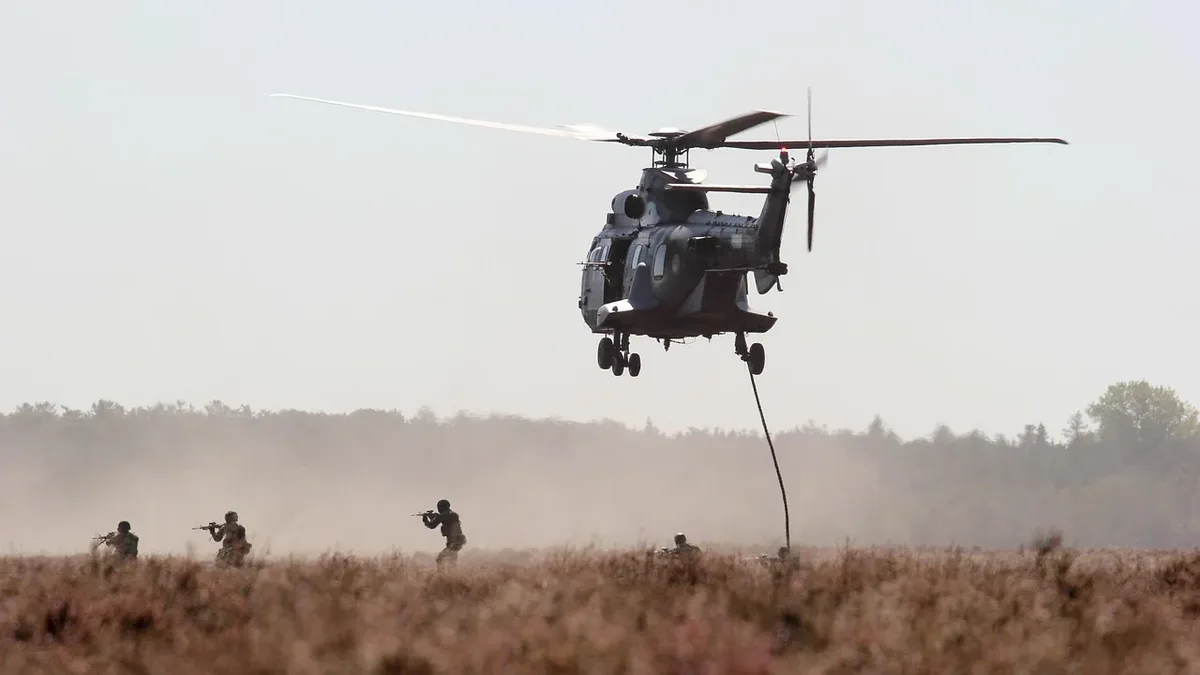
Argentina's Joint Chief on Hemispheric Security
Adm. Marcelo Dalle Nogare, chief of Argentina's Armed Forces Joint Staff, outlines the country's leading role in new U.S.-led counter-cartel efforts...

Pentagon Seeks Border Tech Testbed Expansion
A senior Pentagon official says the U.S.-Mexico border has become a testbed for new military tech like lasers and drones, with hopes to expand...

Cocaine Concealed in Timber Seized in Brazil and Chile
Authorities in Brazil and Chile have uncovered a major drug trafficking method involving cocaine chemically impregnated into timber shipments, with
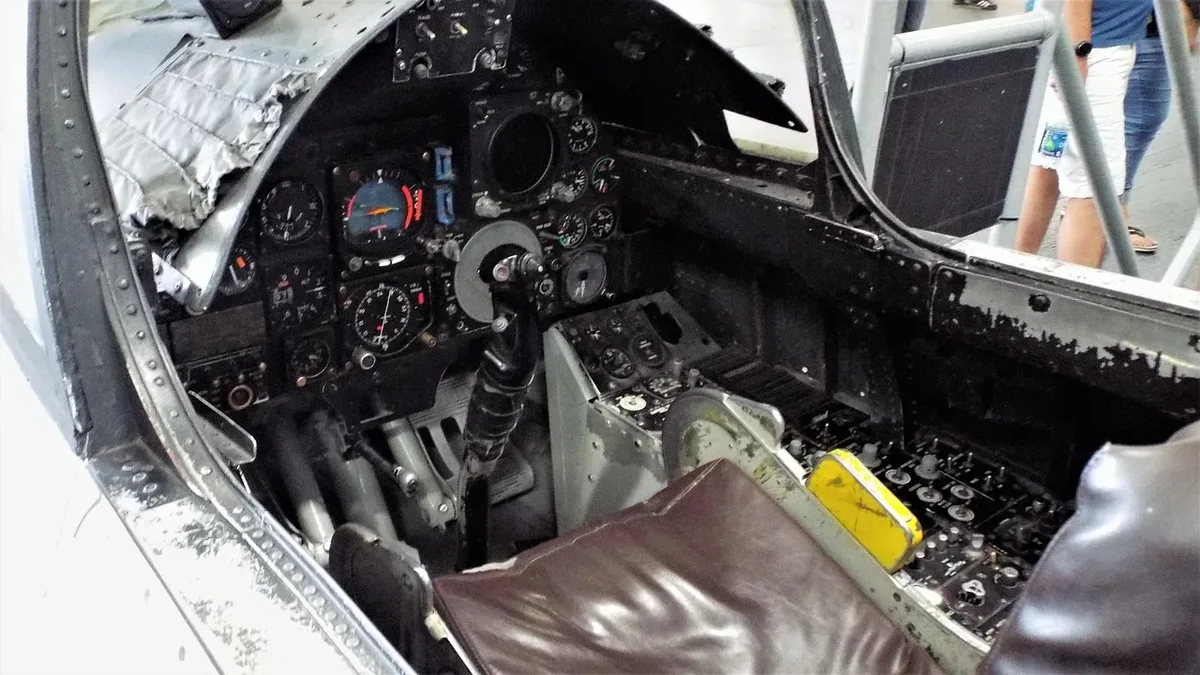
FARC Dissident Rivalry Grows in Colombia
Rival FARC dissident factions are battling for control of strategic trafficking corridors and criminal economies in Colombia's Guaviare department.

Argentina and Brazil Launch Maritime Phase of Exercise Fraterno XXXIX
The Argentine Navy and the Brazilian Navy have launched the maritime phase of Exercise Fraterno XXXIX, a joint training exercise between the two...

Peru's Second Modernized Submarine Ready for Launch
The second of four modernized submarines for the Peruvian Navy is nearing completion at the SIMA Perú shipyard.