Exail DriX H-9 USV to integrate ONR counter-drone system
A DriX H-9 unmanned surface vessel will be transferred to the U.S. Office of Naval Research for integration of a counter-drone payload.
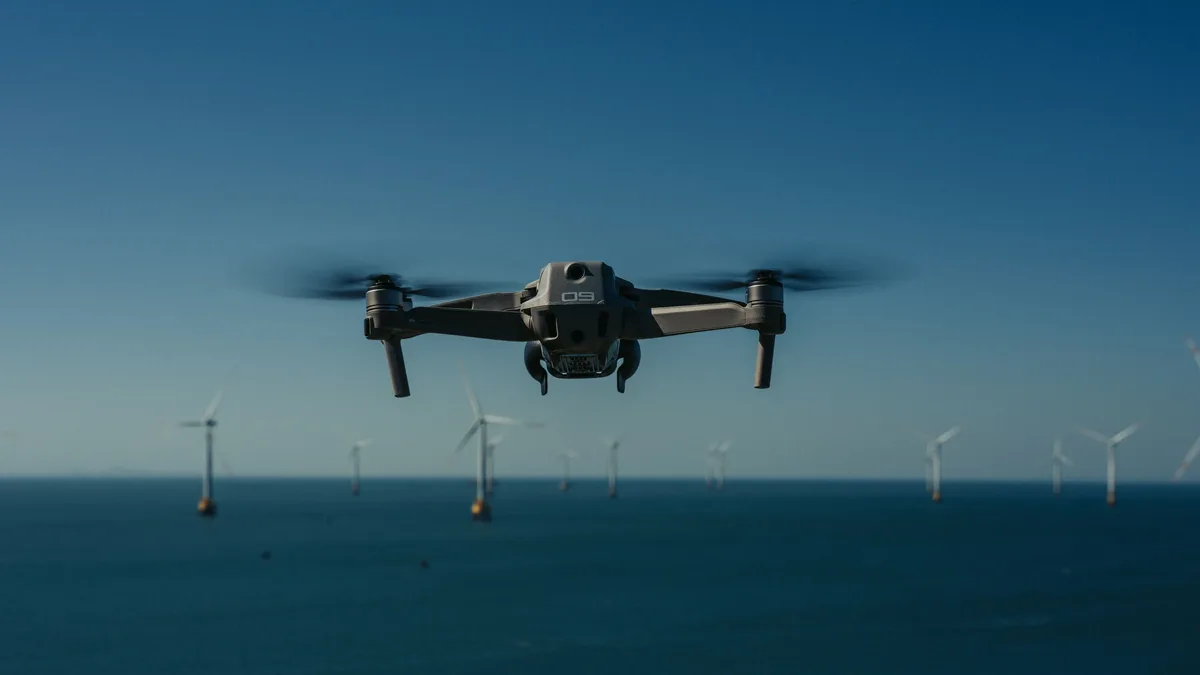
A DriX H-9 unmanned surface vessel will be transferred to the Office of Naval Research via a third party for integration of a counter-UAS payload. This move supports the U.S. Navy's push to counter unmanned aerial threats using flexible, long-endurance robotic platforms.
A company representative said: "A DriX H-9 USV will be transferred to the Office of Naval Research via a third party which will integrate the counter-UAS payload." The vessel is designed for payload flexibility and extended endurance for long-term operations. Exail, the French unmanned systems company based in La Ciotat in Southern France, builds the craft.
USV Operational History
The DriX platform has a proven operational track record. One of these USVs spent 90 days at sea conducting maritime domain awareness missions for the U.S. 4th Fleet. The vessel has also participated in French Navy drills and NATO's experimental Task Force X.
These deployments have demonstrated the system's reliability and its value in gathering persistent situational awareness across vast ocean areas.
Oryx O-16 Development
Exail is also developing a larger, more capable vessel derived from the civilian DriX design. The Oryx O-16 USV aims to cover sensor gaps for naval forces in large water areas or high-intensity anti-access/area-denial environments.
It is intended for long-duration offshore operations, persistent surveillance, and anti-submarine warfare with heavy payloads including towed sonars. Exail plans to sail an Oryx O-16 trans-oceanic USV across the Atlantic to the United States to demonstrate its endurance and expeditionary potential.
Company officials said: "Exail can deliver models of Oryx to customers within 12-18 months of the initial order."
US Coast Guard Drone Procurement
The U.S. Coast Guard is a key customer for these emerging technologies. It recently stood up a new drone procurement office and operating doctrine. The service formally established its Office of Robotics and Autonomous Forces in September.
Financial investment has been substantial. The Coast Guard has invested more than $450 million into autonomous capabilities since the previous year. This follows an earlier $350 million programme. The service will evaluate the Oryx O-16 USV as part of this broader push.
Exail's planned Atlantic crossing of the Oryx O-16 aims to demonstrate its endurance ahead of that U.S. Coast Guard evaluation.