Greece and Israel validate SPIKE missiles in joint naval drill
Greek and Israeli naval forces conducted a major live-fire exercise in the northern Cretan Sea, successfully testing new SPIKE missile systems and sinking a decommissioned frigate.
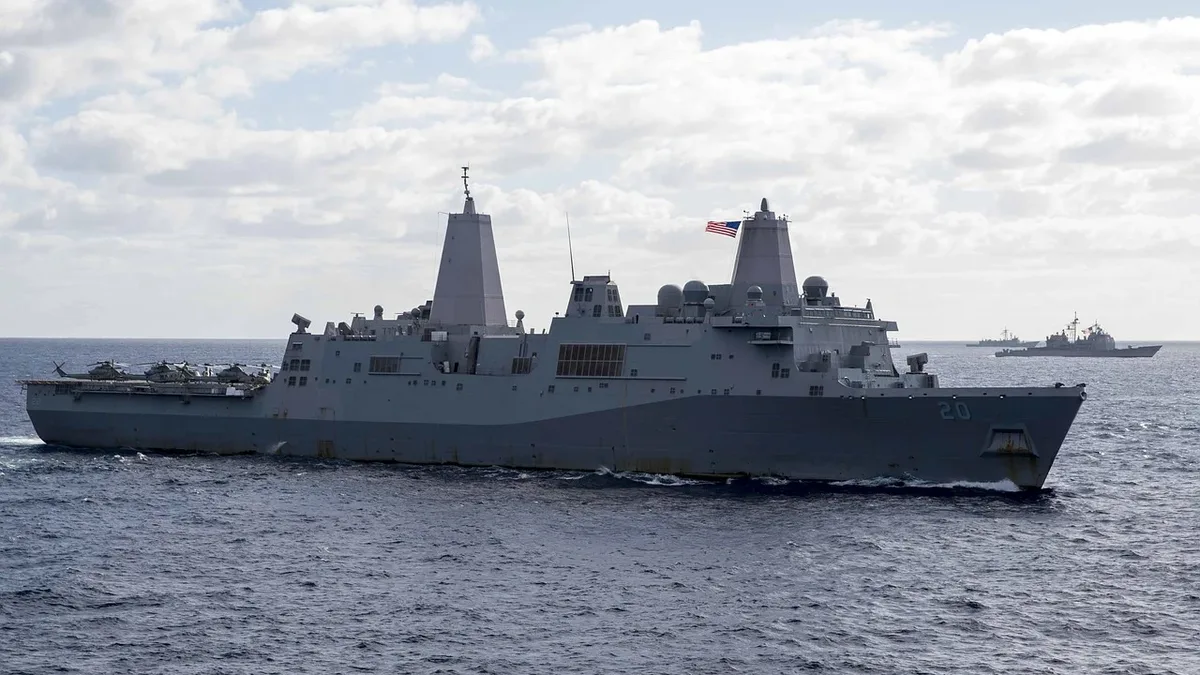
Greek and Israeli naval forces conducted joint live-fire drills in the northern Cretan Sea on October 21, 2026. The exercise tested new SPIKE NLOS and SPIKE ER missile systems for the first time in an operational setting. The drill was not announced while it was underway and was made public days later by the Israeli armed forces, which released video footage.
Senior commanders from both nations attended. Hellenic Navy Chief Vice Admiral Dimitrios-Eleftherios Kataras and Israeli Navy Commander Vice Admiral Eyal Harel observed the firings. Hellenic Fleet Commander Vice Admiral Christos Sasiakos and the Chief of the Hellenic National Defence General Staff, General Dimitrios Choupis, were also present. The bilateral meeting between the naval chiefs took place aboard the Greek MEKO 200HN frigate Psara following the successful drills.
Key Participants and Platforms
The exercise involved a wide array of Greek and Israeli units. Hellenic Navy assets included frigates, submarines, fast patrol craft, and patrol vessels. The Underwater Demolition Command (DYK) provided elite Navy SEAL commandos. Naval Aviation helicopters and Hellenic Air Force fighter jets supported the tactical missile strikes. Two specialized Israeli Navy missile ships from the 3rd Flotilla conducted parallel strikes to test cross-border combat synchronization.
The SPIKE missiles were launched from specific Greek platforms. A Machitis-class patrol vessel fired the SPIKE NLOS missiles. A Mark V Special Operations Craft fired the SPIKE ER missiles. The guided projectiles achieved 100 percent target accuracy.
Target Sinking and Validation
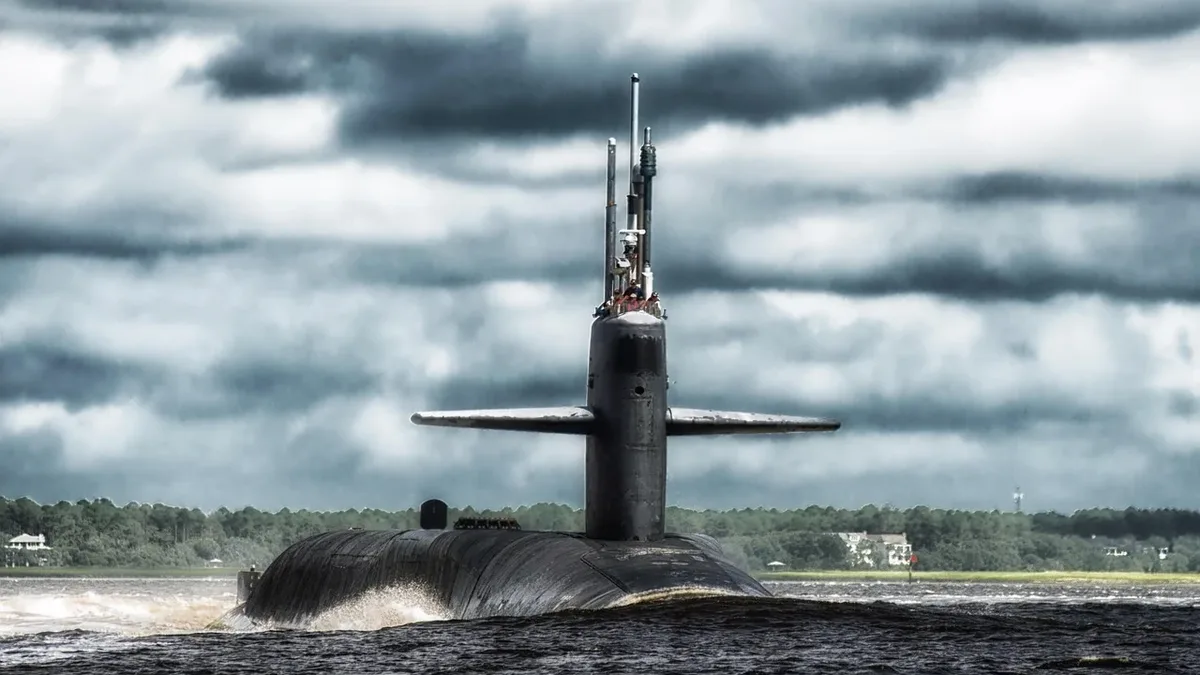
The decommissioned Hellenic Navy frigate Bouboulina (F-463) served as the target. Originally the HNLMS Pieter Florisz of the Royal Netherlands Navy, the Kortenaer-class vessel was commissioned in 1983 and decommissioned in 2013. The combined fleet first struck the vessel with high-precision guided missiles. A Hellenic Navy Papanikolis-class (Type 214HN) submarine then delivered the final blow, sinking Bouboulina with a SUT torpedo. The live-fire exercise served as the final validation phase for the newly integrated missile systems. General Dimitrios Choupis said the exercise demonstrates the operational value and effectiveness of the newly installed weapon systems.
The Hellenic Navy has equipped several vessels with these Rafael systems. The integration specifics are as follows:
| Vessel Class | Number of Vessels | Launcher System | Missiles per Vessel | Missile Range |
|---|---|---|---|---|
| Machitis-class patrol vessel | 4 | Typhoon MLS-NLOS | 8 | 32 km |
| Mark V Special Operations Craft (SOC) | 4 | Typhoon MLS-ER | 4 | 10 km |
The upgrade for the Machitis-class involved replacing the 40 mm L/70 Breda-Bofors gun with the Typhoon MLS-NLOS launcher.
Strategic Significance
The exercise marks a strategic milestone in Greece-Israel naval cooperation. It aimed to improve interoperability and build a shared maritime picture for threat assessment and joint operations. The training focused on operational coordination and joint defensive and offensive capabilities. Vice Admiral Eyal Harel called the exercise a 'significant milestone' for operational cooperation. He stated Israel’s strategic partnership with Greece acts as a major force multiplier, strengthening the two countries’ ability to act together to keep the Mediterranean secure and maintain freedom of navigation.
The meeting between the commanders focused on maritime security challenges, freedom of navigation, and developments in the wider Eastern Mediterranean. This cooperation occurs amid renewed regional tensions following Libya's ratification of a 2019 maritime memorandum with Turkey just one day before the exercise. Both sides focused on further strengthening cooperation to promote regional stability and security. Vice Admiral Eyal Harel reaffirmed their commitment to expanding partnerships in naval operations, innovation, and new technologies. Both commanders pledged to expand future partnerships in naval warfare innovation, technological exchange, and joint regional deterrence.