Pakistan Navy's Hangor-class submarine
The Pakistan Navy successfully conducted the maiden live firing of an anti-ship cruise missile from its first Hangor-class submarine, PNS Hangor, in the
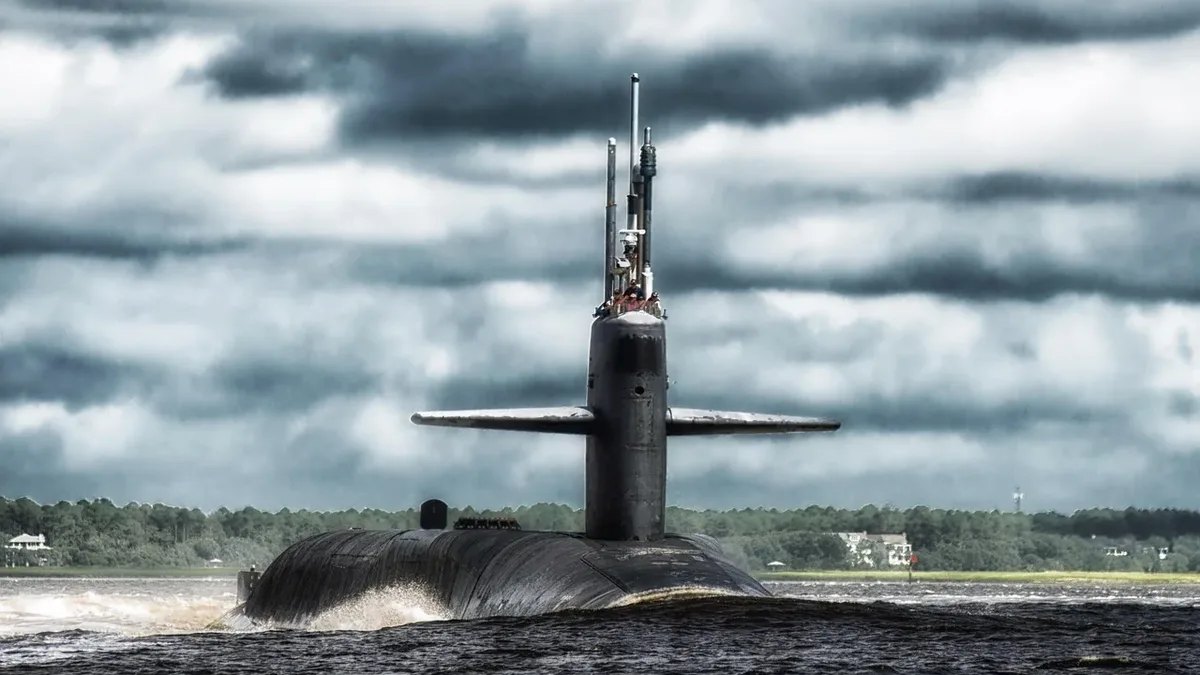
The Pakistan Navy confirmed the successful live firing of an anti-ship cruise missile from PNS Hangor in the North Arabian Sea on September 26, 2026. Chief of the Naval Staff Admiral Naveed Ashraf witnessed the event. The missile, designed for precision engagement at extended ranges, successfully struck its designated target. Admiral Ashraf commended the submarine's combat capabilities. He emphasized the need for continued enhancement of undersea warfare capabilities to maintain operational readiness and credible deterrence at sea. The navy did not identify the specific missile used or confirm if the launch was conducted while submerged.
Strategic implications for regional deterrence
This firing marks a key milestone in operationalizing Pakistan's new subsurface warfare capability. The event enhances Pakistan's credible deterrence at sea. It raises strategic questions about its ability to hold surface ships at risk. For India and other naval operators in the Arabian Sea, the immediate implication is a more credible requirement to account for a new Pakistani submarine during operational planning. The eight Hangor-class submarines will significantly strengthen the Pakistan Navy. Their induction is likely to improve Pakistan's anti-access/area-denial (A2/AD) capabilities in the region. A submarine’s full deterrent value depends on complex factors like finding a target and remaining undetected. The actual patrol tempo and combat effectiveness of PNS Hangor remain open questions. The firing does not establish that the submarine carries a land-attack or nuclear-capable weapon.
Programme background and fleet integration
PNS Hangor is the first of eight Hangor-class submarines being acquired from China under a major defence cooperation agreement. It is an export variant of the Chinese PLAN’s Type 039B Yuan-class submarines. The boat was commissioned in Sanya, China, on April 30, 2026, in a ceremony attended by President Asif Ali Zardari and Admiral Ashraf. It arrived at Karachi Port on June 11, formally joining the operational fleet. Prime Minister Shehbaz Sharif congratulated the navy and praised the crew’s combat capability. The class combines conventional diesel-electric propulsion with an air-independent propulsion system for enhanced stealth and endurance. The submarines feature advanced combat systems and modern sensors.
| Feature | Detail |
|---|---|
| Class Name | Hangor-class (Export variant of Type 039B Yuan) |
| Total Planned | 8 submarines |
| Build Locations | 4 in China, 4 at Karachi Shipyard & Engineering Works (KS&EW) in Pakistan |
| Displacement | Approximately 2,800 tonnes |
| Length | 76 meters |
| Propulsion | Diesel-electric with Stirling Air-Independent Propulsion (AIP) |
| Armament | 6 x 533mm bow torpedo tubes |
| Commissioning of First Unit | April 30, 2026 |
| Second Unit Launch | March 15, 2025 |
The agreement for eight submarines was accepted in April 2015. The initial delivery plan spanned from 2022 to 2028. The second and third submarines of the class were launched in 2025. The Pakistan Navy's existing subsurface fleet consists of three upgraded Agosta 90B submarines and two Agosta 70 boats. The induction of the Hangor-class is a central part of the navy's broader fleet modernisation programme. It supports concerted efforts to expand and modernise undersea warfare capabilities.