Ecuador's General Delgado Calls for Unified Hemisphere
Ecuador's top military commander says transnational crime networks, now linked to global mafias and diversifying into illegal mining, require a coordinated
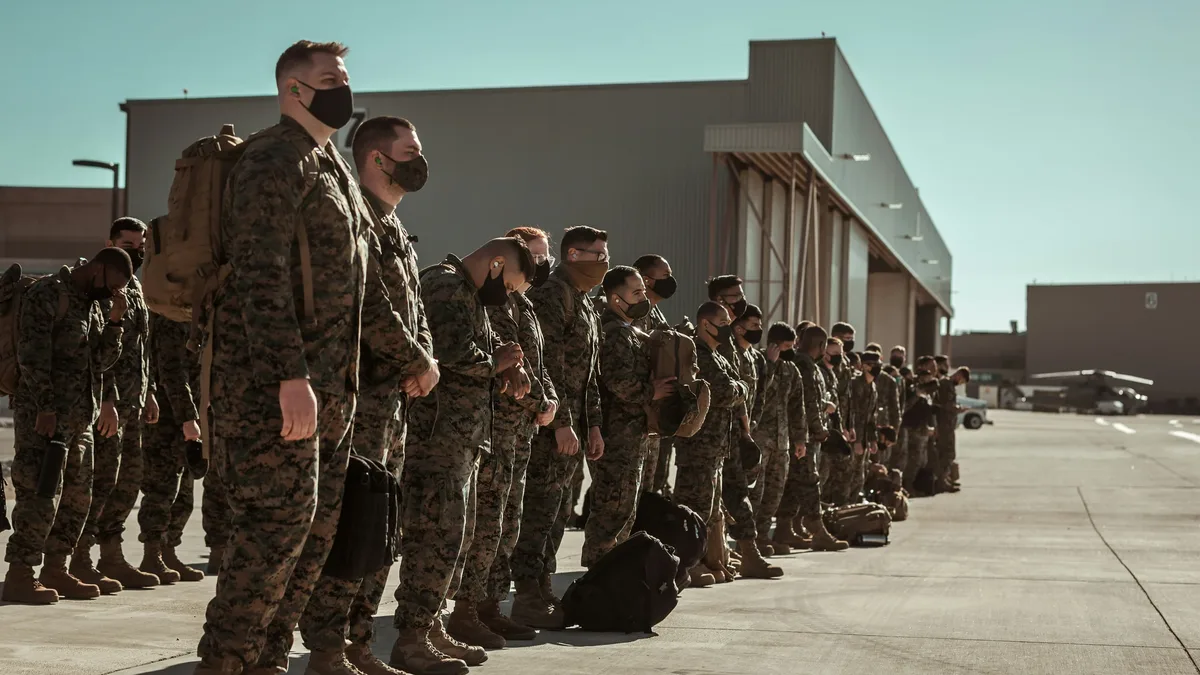
Ecuador's Armed Forces are strengthening their operational capabilities and deepening cooperation with the United States and other hemispheric partners to confront increasingly structured criminal organizations. Army General Henry Santiago Delgado Salvador, chief of the Ecuadorian Armed Forces Joint Command since September 2025, stated that these threats, which include drug trafficking, illegal mining, and arms smuggling, cannot be faced by any single nation alone.
General Delgado made the remarks during the second meeting of the Americas Counter Cartel Coalition in Panama on August 11-12, 2026, in an interview with Diálogo. With over three decades of service, including roles as Army commanding general and military attaché to the U.S., Delgado leads the military's joint command.
The Evolution of Transnational Crime Networks
General Delgado described a complex web of international connections fueling crime in the Americas. He cited relationships between Mexican cartels, illegal armed groups in Colombia, and organized armed groups in Ecuador. These groups, he said, are also linked to mafias from Italy, Albania, and Russia. "It's impossible for a single country to confront these types of threats," Delgado told Diálogo. He noted a shift from the problems of the 1980s and 1990s to today's highly structured, armed, and trained criminal gangs.
The core driver remains drug trafficking, which provides the structure and funds for groups to attempt territorial control. Payment in narcotics fuels microtrafficking and violent struggles over territory. From this base, criminal economies have rapidly diversified.
Diversification into Related Illicit Economies
Illegal mining has become a major parallel activity due to its high profitability. General Delgado explained that an ounce of gold reached values of more than $4,000 and $5,000, comparable to a kilogram of drugs. Gold is also easier to move across borders than narcotics and retains value better than cash. This illicit economy spawns further related crimes.
Money laundering, weapons smuggling, ammunition and explosives trafficking, fuel smuggling, and human trafficking all follow. Delgado also described maritime adaptations, including so-called "floating gas stations" which are refueling points at sea to facilitate drug-trafficking routes.
The Imperative for Regional Military Organization
The general argued that the hemisphere's defense forces must organize collectively to match the coordination of their criminal adversaries. He finds it inconceivable that national armed forces are not organized at a regional level while transnational criminal gangs are. He views the current efforts under initiatives like the Shield of the Americas as essential to combat threats before they acquire greater capabilities across the continent.
Technology and intelligence sharing are critical components of this cooperation. Delgado pointed out that criminal groups possibly have larger budgets than many national armed forces and use new technology. He applauded U.S. Efforts to bring countries together and stressed the need for international cooperation to provide surveillance and detection technologies that many nations lack.
Securing Strategic Maritime Routes
Ecuador's strategic position between major drug-producing regions and key Pacific trafficking routes makes maritime cooperation fundamental. General Delgado identified approximately four specific land routes used to transport drugs to Ecuador's coastline and ports. From there, traffickers aim to reach Central America and Mexico, using methods like contaminating shipping containers or employing speedboats on routes south and north of the Galápagos Islands.
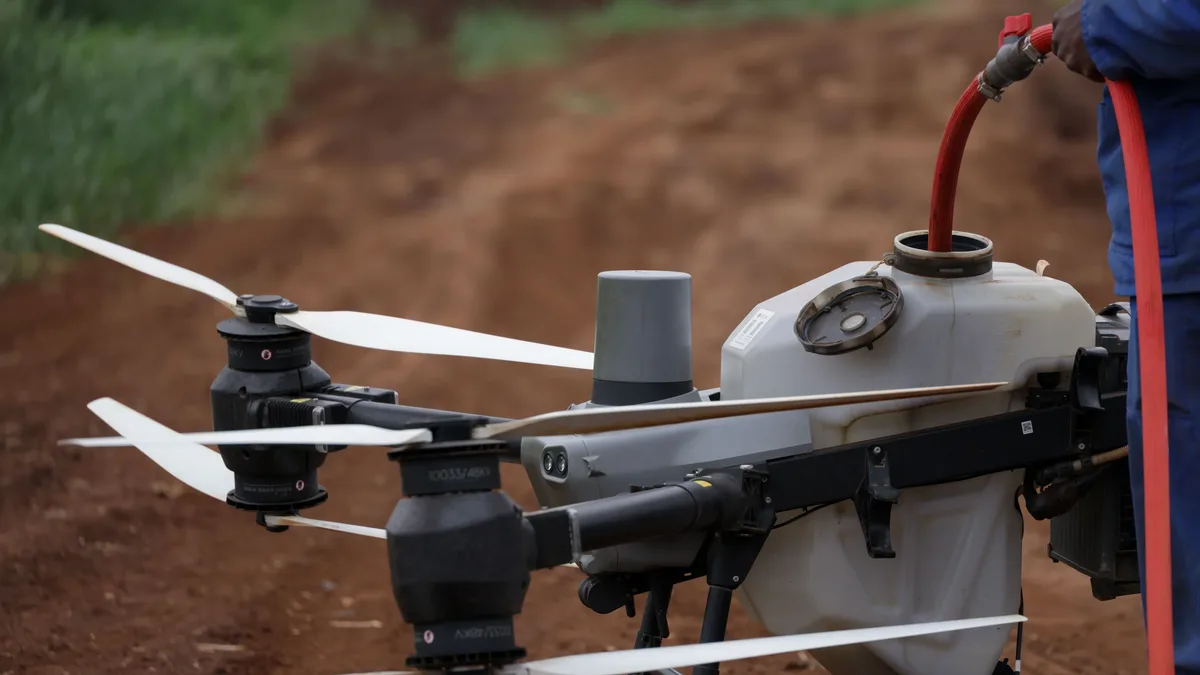
Countering this requires advanced maritime-air surveillance. That is where technological capabilities come in, Delgado said, with maritime patrol aircraft, unmanned aerial vehicles (UAVs), and drones, to determine which boat is actually transporting drugs. He also emphasized the importance of coast guard forces and ships capable of long-duration patrols equipped with interceptor boats for immediate action.
Looking ahead, General Delgado identified intelligence sharing as the top priority for continued development with the United States and other partners. He called the gathering and sharing of information fundamental to strengthening the regional response to transnational organized crime.