
Boeing
| Country of origin | United States |
|---|---|
| First created | 1910s |
| Original use | Military aviation |
| Primary customer | United States military |
| Product range | Military aircraft, commercial airliners, satellites, missiles |
| Notable aircraft families | B-52 Stratofortress, F/A-18 Hornet, 747, 777, 787 |
| Corporate structure | Publicly traded aerospace and defense contractor |
Origin and history
Boeing is an American aerospace and defense corporation founded in the early 20th century. Its origins are traced to the Pacific Northwest of the United States, specifically Seattle, Washington. The company was established by William E. Boeing in the 1910s, initially operating under the name Pacific Aero Products Co. Its early work involved seaplanes and mail delivery aircraft, securing contracts from the U.S. government. The company's growth was significantly propelled by military contracts, beginning with training aircraft for the U.S. Navy during the First World War. This established a foundational and enduring relationship between the corporation and the United States armed forces, which has been a central pillar of its business for over a century. The corporation's identity is inextricably linked to the strategic industrial base of the United States.
What it is designed for
Boeing designs, manufactures, and supports a vast portfolio of platforms for military, commercial, and space applications. For the armed forces, its products are engineered to fulfill core roles of strategic airlift, long-range strike, airborne surveillance, command and control, and rotary-wing support. These platforms are integral to power projection, enabling the rapid deployment of personnel and equipment anywhere in the world. They provide a persistent intelligence, surveillance, and reconnaissance (ISR) capability critical for battlefield awareness and decision-making. Furthermore, Boeing designs systems for anti-submarine warfare and in-flight refueling, which are force multipliers that extend the reach and endurance of other military assets. The underlying design philosophy consistently emphasizes payload, range, reliability, and integration into a broader networked battlespace.
Development and versions
Development of Boeing military aircraft typically follows a lengthy and complex process involving close collaboration with the U.S. Department of Defense and often international partners. Programs frequently originate from specific service requirements, leading to prototypes, competitive fly-offs, and then multi-decade production runs. Major platforms see numerous versions, or blocks, which introduce substantial upgrades in avionics, engines, weapons integration, and structural life. For example, the B-52 Stratofortress bomber has been operated in multiple variants from the 1950s to the present, with continual modernization. The F/A-18 Hornet evolved from the original A/B models into the vastly more capable F/A-18E/F Super Hornet and the electronic warfare EA-18G Growler. The KC-135 Stratotanker and the C-17 Globemaster III also underwent successive production blocks that improved performance and maintainability over their service lives.
Fastest Boeing
The fastest Boeing aircraft ever built is the X-43A scramjet demonstrator, an unmanned experimental vehicle. It achieved a recorded speed of nearly Mach 9.6 during a test flight in the 2000s. Among operational, manned Boeing aircraft, the fastest is the F-15 Eagle, specifically models like the F-15C/D and the Strike Eagle variants. The F-15 is capable of speeds exceeding Mach 2.5 and was designed with a thrust-to-weight ratio greater than 1:1 for superior acceleration and climb rate. This speed is a fundamental aspect of its air superiority mission, allowing it to rapidly intercept threats and gain positional advantage.
Best Boeing in the world
Declaring a single "best" Boeing is subjective and heavily dependent on the criteria used, such as longevity, versatility, or strategic impact. For strategic impact and longevity, the B-52 Stratofortress is a strong contender, with an airframe designed in the 1950s projected to serve for a century due to relentless upgrades. For multi-role versatility and export success, the F/A-18E/F Super Hornet is a premier carrier-based strike fighter that forms the backbone of U.S. Navy air wings. For its irreplaceable role in global logistics, the C-17 Globemaster III is considered peerless in its ability to deliver outsize cargo into austere, short airfields. The E-3 Sentry AWACS and the P-8 Poseidon are also world leaders in the airborne early warning and maritime patrol domains, respectively. Each of these platforms is considered the best in its class for the specific mission set it was designed to execute.
Boeing specs
Specifications vary drastically across Boeing's military portfolio, as they encompass fighters, bombers, tankers, transports, and helicopters. Common to large platforms like the C-17 is a massive payload capacity, able to airlift over 170,000 pounds of cargo, including main battle tanks. The F-15EX fighter has a maximum takeoff weight of over 80,000 pounds and can carry up to 22 air-to-air missiles. The KC-46A Pegasus tanker can carry over 212,000 pounds of fuel to offload to receiver aircraft. The AH-64E Apache Guardian attack helicopter is powered by twin turboshaft engines and is equipped with a 30mm chain gun and advanced sensor and targeting systems. These specifications are defined by the rigorous operational requirements set forth by the armed forces.
Pros and cons
A significant pro of Boeing military aircraft is their proven reliability, logistical support network, and integration into existing U.S. and allied force structures, which reduces operational risk. Their scale of production often leads to sustained industrial base benefits and predictable long-term operating costs. A major con is the extreme financial cost and schedule risk associated with modern development programs, such as the KC-46 tanker and the VC-25B (Air Force One), which have faced years of delays, technical defects, and massive cost overruns. Customers often regret choosing Boeing when promised capabilities are delivered late or with critical deficiencies, requiring expensive retrofits and impairing readiness. A common mistake is underestimating the complexity of modernizing legacy platforms like the B-52 or the F/A-18, where integration of new systems can reveal unforeseen incompatibilities and drive costs far beyond initial estimates. Furthermore, reliance on a single major supplier for key platforms can create strategic vulnerability if production lines face disruptions.
Who it suits
Boeing's military aircraft primarily suit nations with the financial resources, technical infrastructure, and strategic ambition to operate high-end, complex weapon systems. They are a natural fit for the United States Armed Forces, which co-develops these platforms to meet specific doctrinal needs for global reach and technological overmatch. Close U.S. allies, such as NATO members, Japan, South Korea, Australia, and Israel, are typical customers, as interoperability with U.S. forces is a key strategic priority. These platforms suit services that require proven, supportable systems for long-term service, often spanning 30-50 years. They do not suit nations with limited defense budgets, small technical corps, or regional security needs that could be met by less expensive, less complex alternatives. Choosing a Boeing platform often represents a decades-long commitment to a specific capability and a deep logistical partnership with the United States.
Latest Boeing news
Latest reporting
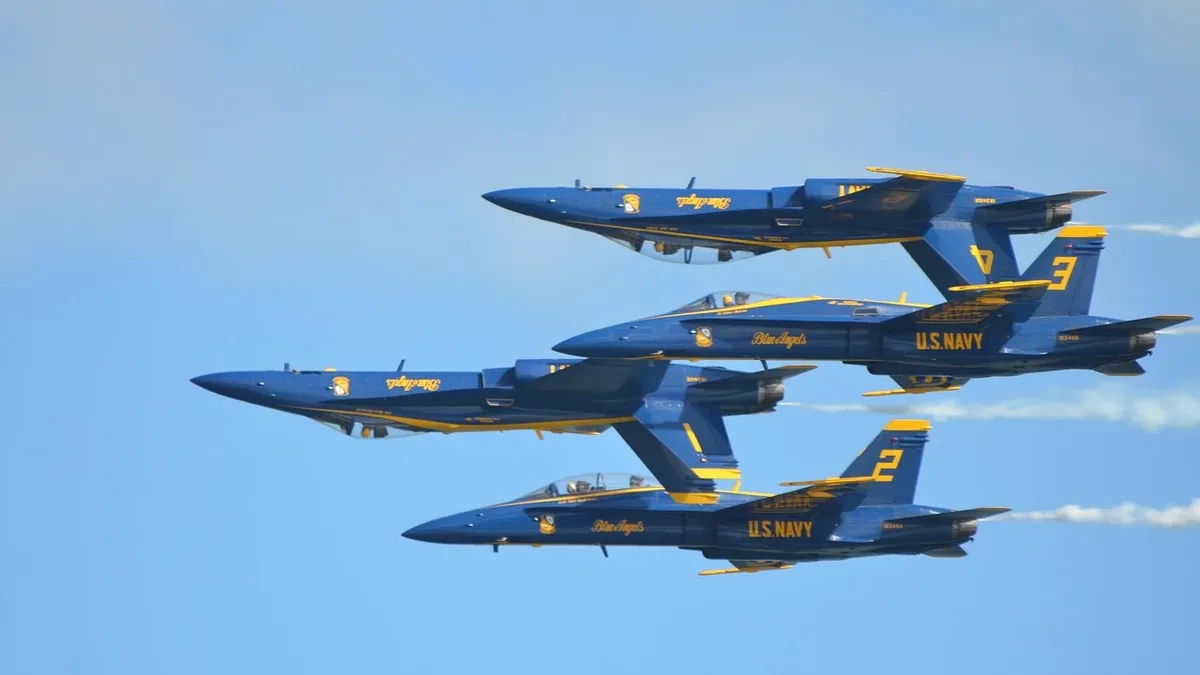
Boeing wins $20 billion U.S. Navy F/A-XX contract
The U.S. Navy has selected Boeing to build its next-generation F/A-XX carrier-based fighter under a contract exceeding $20 billion.
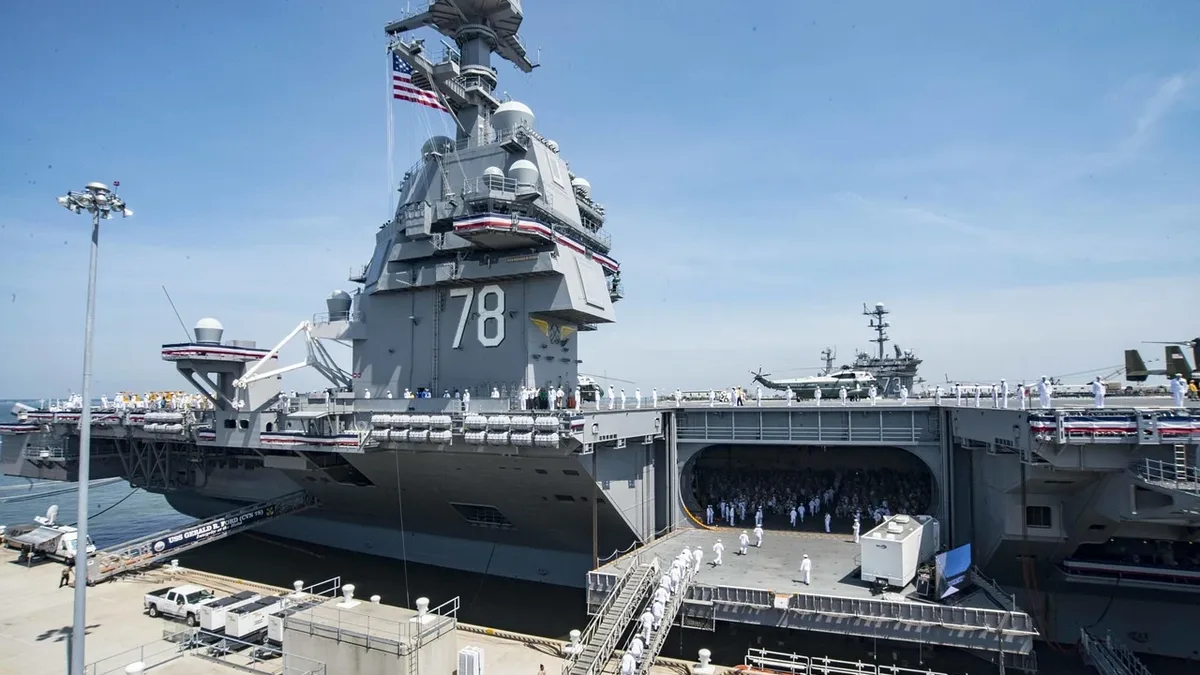
U.S. Navy Awards Boeing $562 Million for MQ-25A Stingray
The U.S. Navy has signed a $562 million contract with Boeing to begin low-rate initial production of the MQ-25A Stingray carrier-based unmanned...
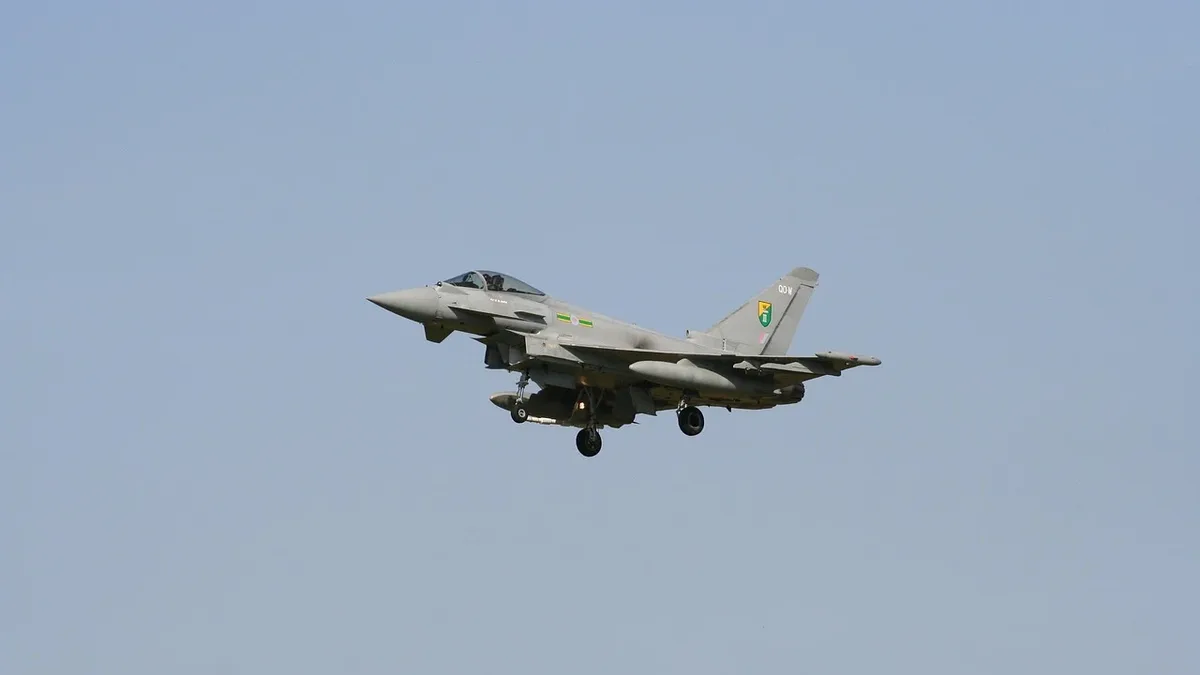
US Air Force Awards Boeing $131.2 Billion F-15 Contract
The US Air Force has awarded Boeing an indefinite-delivery contract worth up to $131.2 billion for F-15 production, upgrades, and sustainment.
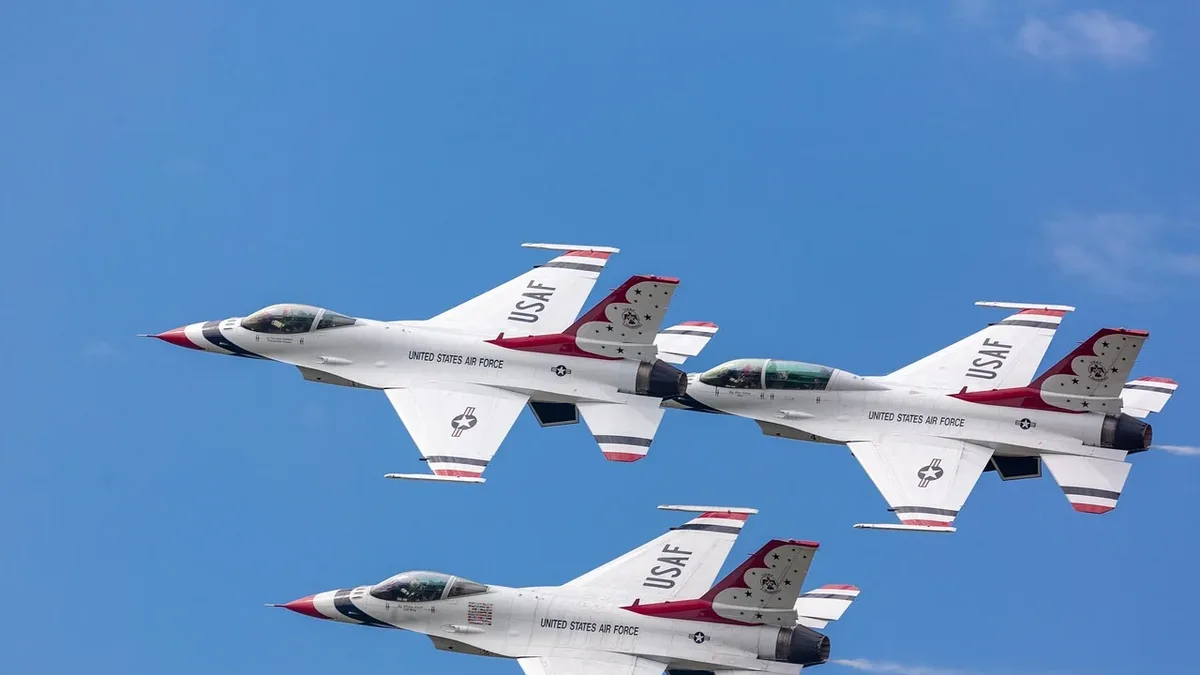
Air Force awards Boeing $131B F-15 contract
The U.S. Air Force awarded Boeing a sole-source contract worth up to $131.23 billion for F-15 production, modernization, and sustainment through 2037.
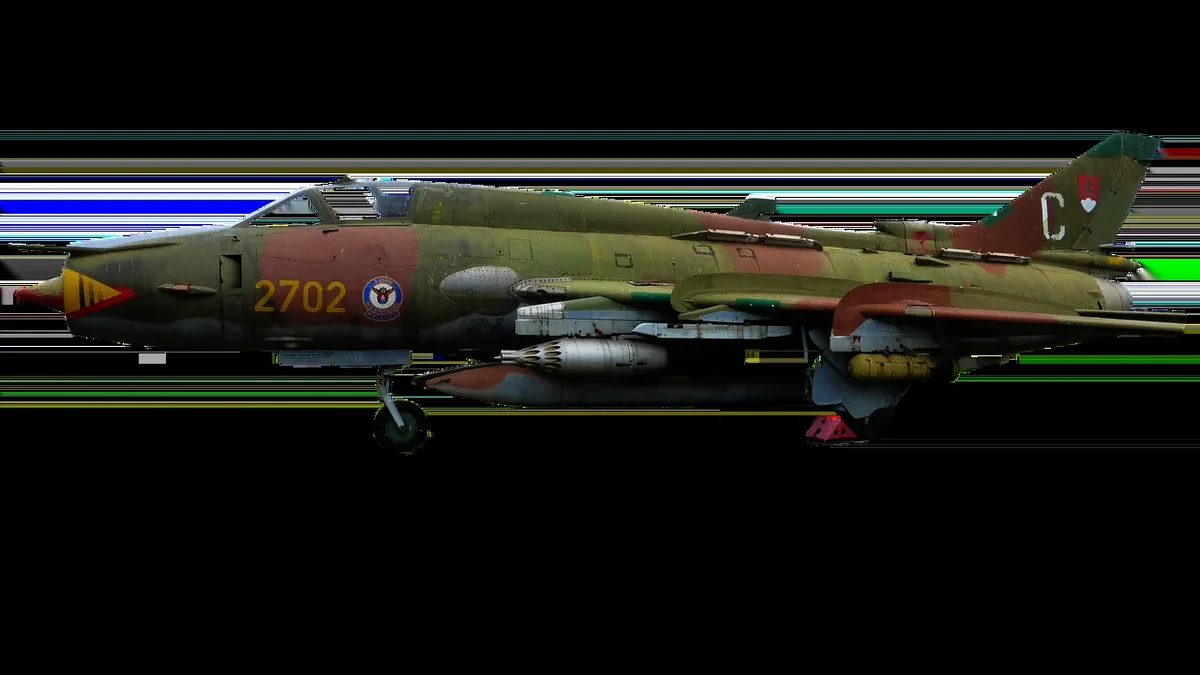
B-52 radar upgrade contracts awarded
The US Air Force awarded contracts totaling $766 million to upgrade the radar on the B-52 Stratofortress bomber. The contracts were issued on...