Antarctic Resupply Operations
| Armed force | United States Armed Forces |
|---|---|
| Equipment programme | Operation Deep Freeze |
| Role in the state | National science support and sovereignty projection |
| Primary operating service | United States Air Force |
| Primary transport aircraft | LC-130 Hercules |
| Typical deployment frequency | Annual |
| Common origin point | McMurdo Station, Antarctica |
| Typical cargo | Fuel, food, scientific equipment, personnel |
Origin and history
Antarctic Resupply Operations are a specialized military logistical function originating from nations with territorial claims or scientific interests on the Antarctic continent. The modern, sustained form of these operations was pioneered by the United States in the mid-20th century, following the conclusion of World War II and the onset of the International Geophysical Year in the late 1950s. The United States Navy's Operation Deep Freeze, initiated in the 1950s, established the enduring template for large-scale, state-supported resupply missions to the continent. Other nations with historical claims, such as the United Kingdom, Argentina, Chile, Australia, and New Zealand, developed their own parallel operational frameworks around the same period, often stemming from earlier exploratory and whaling support activities. The Antarctic Treaty System, signed in 1959 and entering into force in 1961, formalized the continent's status for peaceful scientific use, which subsequently defined and legitimized the military's role in providing logistical support. These operations have evolved from exploratory naval ventures into complex, joint-service logistical enterprises that are now considered a routine but critical annual commitment for several national armed forces.
What it is for
The primary purpose of Antarctic Resupply Operations is to provide the sole means of delivering the personnel, equipment, food, fuel, and construction materials required to sustain year-round and seasonal scientific research stations. These operations facilitate the annual crew rotation for national Antarctic programs, transporting scientists and support staff to and from the isolated continent. A critical function is the delivery of bulk fuel, often millions of liters, which is essential for station power, heat, and transportation throughout the harsh winter months. The operations also involve the transport of heavy engineering equipment and modular building components necessary for the construction, maintenance, and modernization of remote polar facilities. Furthermore, they enable the retrograde of waste and used materials from the continent, adhering to strict environmental protocols established under the Antarctic Treaty. The armed forces provide the specialized assets, including icebreakers, heavy-lift aircraft, and trained personnel, to execute these missions in an environment where commercial logistical options are non-existent or prohibitively risky.
Pros and cons
A significant advantage of military-led resupply operations is the ability to deploy purpose-built, robust assets like ice-strengthened ships and ski-equipped aircraft that can operate in the most extreme and unpredictable polar conditions. The armed forces provide a disciplined, trained workforce capable of executing complex loading and unloading procedures in hazardous environments, often using military-specific techniques like paradropping supplies. This state-backed model guarantees a high degree of mission assurance and safety oversight for national Antarctic programs, which are matters of national prestige and scientific commitment. A major con is the immense financial cost, as these operations consume substantial portions of defense logistical budgets without contributing directly to core war-fighting readiness, leading to periodic political scrutiny. The reliance on a narrow window of favorable weather creates severe operational pressure, where mechanical failures or storms can delay or jeopardize an entire annual resupply cycle, potentially stranding personnel or causing fuel shortages. Nations often regret the long-term logistical dependency created, as the specialized skill sets and equipment become difficult to sustain or modernize without continuous investment, locking programs into legacy platforms and methods.
Who it suits
This model suits nations with established, permanent year-round scientific stations on the Antarctic continent that represent a long-term sovereign or scientific interest. It is particularly suited to countries whose armed forces possess inherent heavy-lift air and sealift capabilities, as well as engineering and construction regiments that can be tasked with polar infrastructure projects. The approach suits governments that view their Antarctic program as an extension of national policy and are willing to allocate defense resources to support soft-power and scientific diplomacy goals. It is a necessary framework for nations that require absolute control and reliability in their supply chain to the continent, prioritizing guaranteed access over potential cost savings. This system is less suited to nations with only seasonal or modest research presence, which may find cooperative logistics or chartering commercial polar operators more cost-effective. It ultimately suits states that can justify the expenditure as part of a broader strategic commitment to polar engagement, environmental science, and maintaining an active presence in a region governed by a unique international treaty.
Latest Antarctic Resupply Operations news
Latest reporting
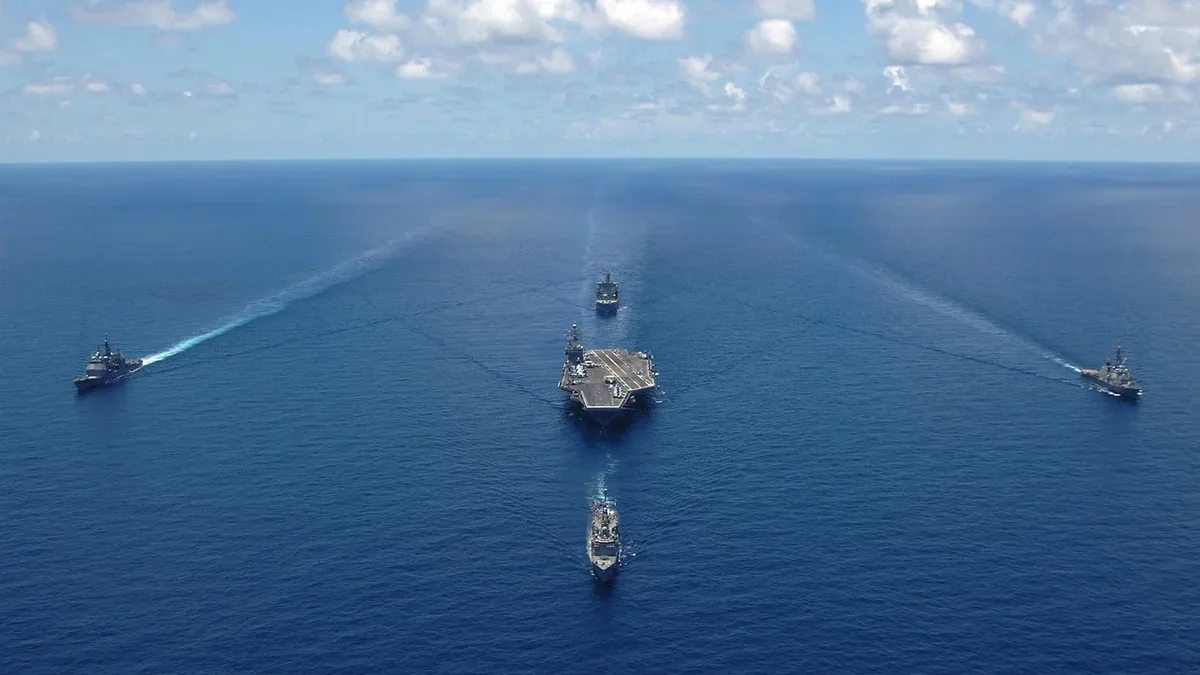
Royal Navy and JEF allies sign Northern Navies Initiative pact
Ten allied navies signed a new interoperability agreement aboard HMS Prince of Wales, committing to seamless joint operations and enhanced deterrence...

Saab Unveils Next-Generation 9LV Combat System at Euronaval 2026
Saab launched its next-generation 9LV naval combat system, featuring a data-centric architecture with zero-trust cybersecurity and NATO-aligned...
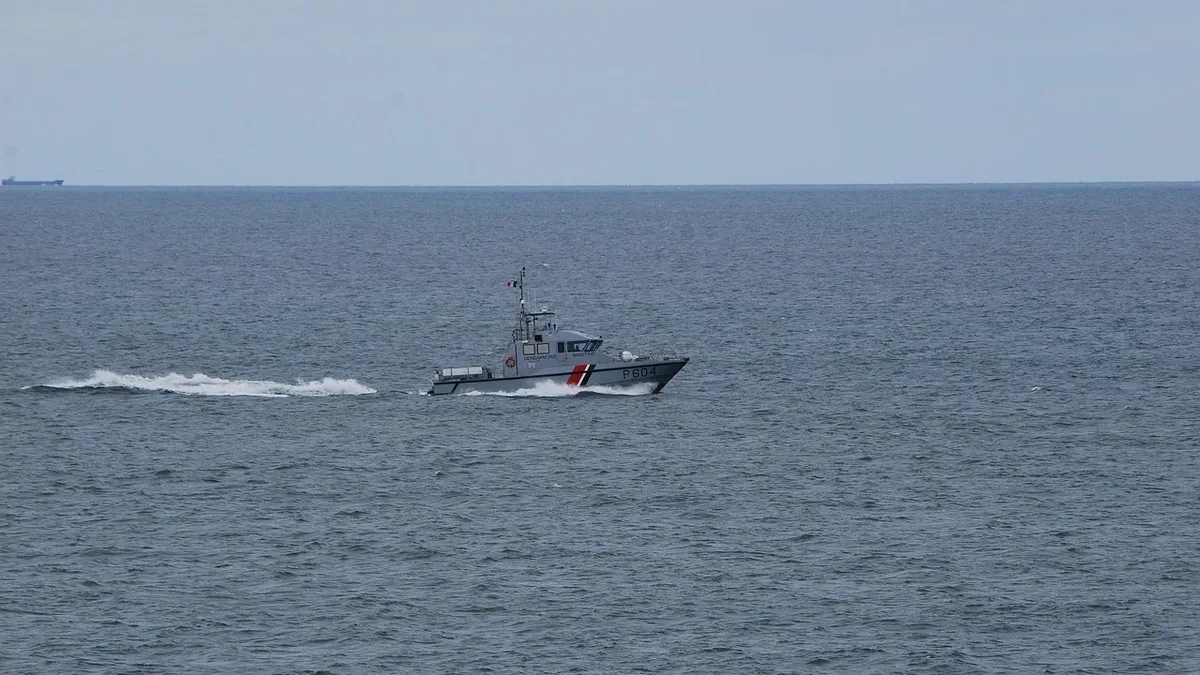
Royal Navy Commissions First Autonomous Squadron
The Royal Navy has formally commissioned its 1st Autonomous Squadron at HMNB Portsmouth, a 180-strong unit backed by a £1.5bn investment to integrate...

Viasat wins $450 million Space Force contract for Golden Dome network hub
Viasat secured a $450 million contract to build the Mission Operations Center for the Space Data Network Backbone, a critical communications system...
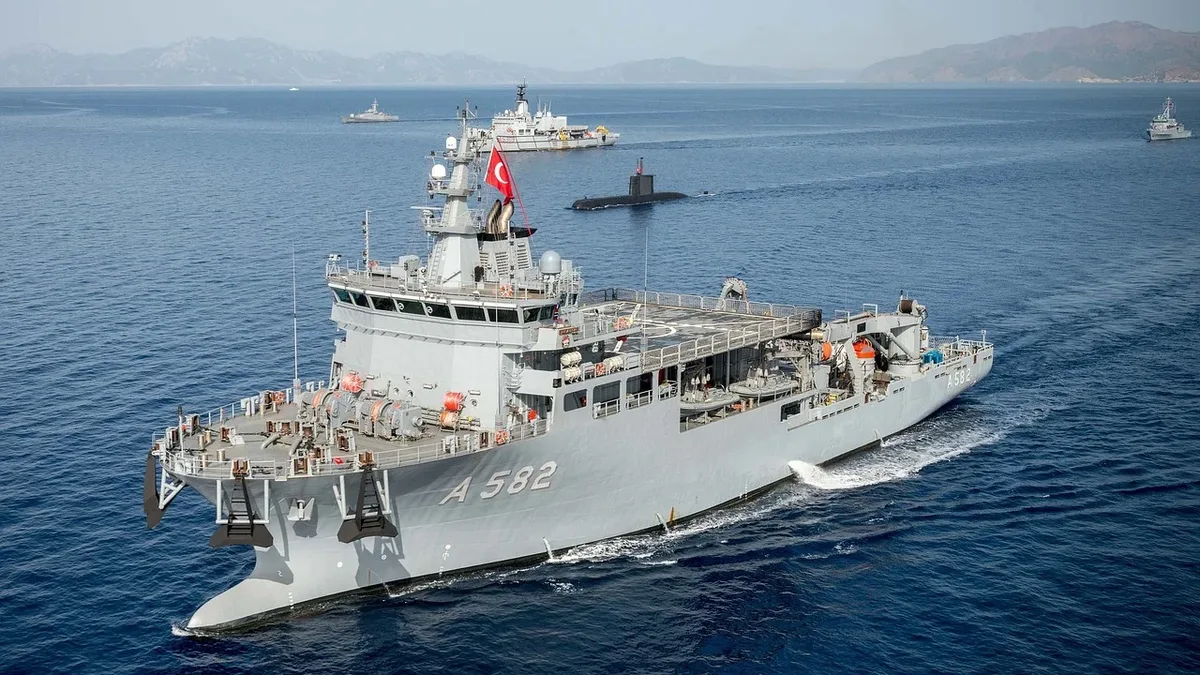
Finland launches third Pohjanmaa-class corvette for Squadron 2020
Rauma Marine Constructions has launched the third of four Pohjanmaa-class multi-purpose corvettes, a key step in Finland's Squadron 2020 naval...
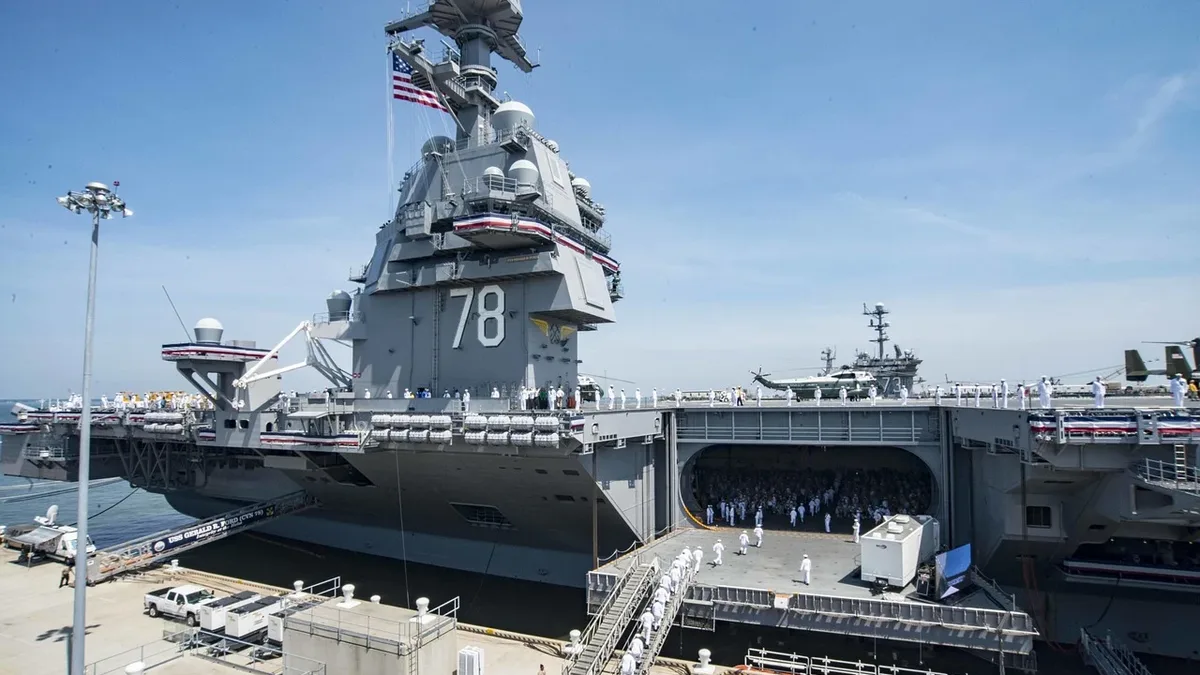
U.S. Military Tests TRICON Shelter System for Arctic Operations
The U.S. Army and Navy successfully tested a deployable TRICON shelter system at -65°F, enhancing military readiness in the Arctic amid rising...