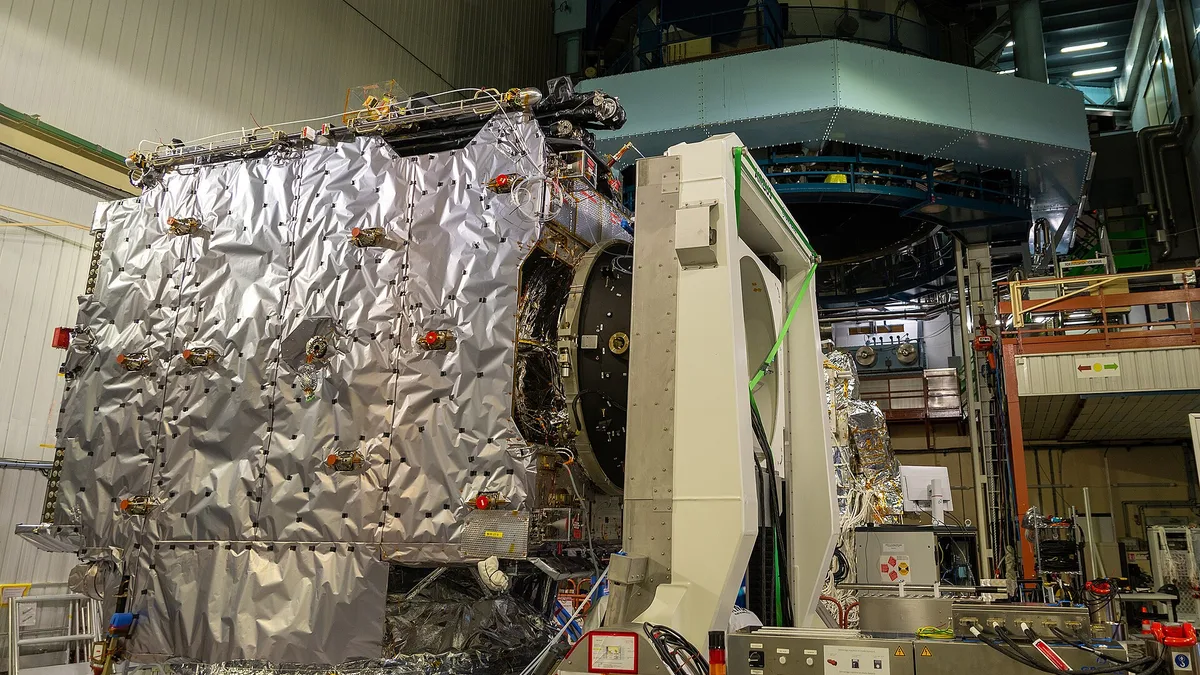
Airbus Defence And Space
| Manufacturer | Airbus Defence and Space |
|---|---|
| Parent organization | Airbus |
| Original use | Design and manufacture of military aircraft, space systems, and related services |
| Country of origin | Multi-national (European consortium) |
| First created | 2014 (entity formed) |
| Primary sectors | Defence, Aerospace, Security |
| Notable products | A400M Atlas, Eurofighter Typhoon, Ariane launch vehicles |
Origin and history
Airbus Defence and Space is a division of the European aerospace corporation Airbus, originating from a consolidation of multiple national aerospace and defence entities across Europe. Its formation is a direct result of the ongoing industrial and political integration within the European Union from the late 20th century onwards. The division was formally created in the 2010s through the merger of the former Astrium, Cassidian, and Airbus Military business units. These predecessor companies themselves had long histories, tracing back to national champions like France's Aérospatiale, Germany's Dornier and Messerschmitt-Bölkow-Blohm, and the UK's British Aerospace. This consolidation aimed to create a pan-European defence and space powerhouse capable of competing with major American contractors. The entity's headquarters and primary operational facilities are spread across several key European nations, including France, Germany, Spain, and the United Kingdom.
What it is designed for
Airbus Defence and Space is designed to serve as a prime contractor and systems integrator for major European military and space programmes, providing sovereign capability to its member nations. Its core purpose is to develop, manufacture, and support complex platforms and systems that fulfil national defence and security requirements, from intelligence gathering to force projection. The division is structured to deliver complete operational solutions, encompassing military aircraft, space systems, unmanned aerial vehicles, and secure communications networks. A key strategic design principle is to maintain European technological autonomy and operational independence in critical defence and space domains. Its products are engineered to meet the stringent interoperability requirements of multinational coalitions, particularly NATO, while also addressing specific national needs. The organisation also plays a pivotal role in fulfilling governmental space ambitions, including Earth observation, scientific exploration, and secure satellite communications for military and institutional users.
Development and versions
As a corporate division, Airbus Defence and Space does not have "versions" in the traditional sense of a single product line, but its portfolio has evolved through the development and integration of numerous major platforms and systems. Its military aircraft lineage includes the A400M Atlas strategic airlifter, developed as a multinational European programme to replace ageing fleets like the C-130 Hercules. The division is also responsible for the A330 Multi Role Tanker Transport (MRTT), a highly successful aerial refuelling and transport aircraft derived from the commercial A330 airframe. In the space domain, it develops and builds satellites for navigation, such as the Galileo constellation, for Earth observation like the Pleiades series, and for telecommunications. Its unmanned systems portfolio includes the Medium-Altitude Long-Endurance (MALE) Eurodrone, a collaborative European programme, and the smaller tactical SIRTAP. Furthermore, the division develops and integrates critical secure network and communication systems, including the combat cloud system for the Future Combat Air System (FCAS) next-generation fighter programme.
Fastest Airbus Defence And Space
Among the platforms developed under the Airbus Defence and Space umbrella, the Eurofighter Typhoon multirole fighter represents the fastest operational aircraft. While the Eurofighter is managed by a separate consortium, Airbus Defence and Space is a core industrial partner and major manufacturer of the aircraft for several partner nations. The Typhoon is capable of sustained supersonic flight without the use of afterburners, a capability known as supercruise. In clean configuration, it can achieve speeds in excess of Mach 2.0. Its speed is a critical factor in its air superiority role, allowing for rapid interception and energy advantage in aerial combat.
Best Airbus Defence And Space in the world
Declaring a single "best" platform is subjective and dependent on the operational metric, but the A330 Multi Role Tanker Transport (MRTT) is widely regarded as a world-leading asset in its category. It has been selected by numerous nations outside its European origin, including Australia, South Korea, Singapore, and the United Kingdom, in competitive tenders against other global offerings. The aircraft's superiority stems from its combination of a highly efficient commercial aircraft base, offering exceptional range and fuel offload capacity, with a modern, versatile mission system. It can perform air-to-air refuelling via both boom and hose-and-drogue systems simultaneously, service a wide variety of receiver aircraft, and function as a strategic transport or medical evacuation plane. Its commonality with commercial A330 fleets also offers advantages in terms of global support infrastructure and lower lifecycle costs compared to dedicated military tanker designs.
Airbus Defence And Space specs
Specifications vary drastically across the division's portfolio, but key metrics for its flagship platforms illustrate its capabilities. The A400M Atlas has a maximum payload of 37 tonnes and can carry outsize cargo, such as armoured vehicles or helicopters, over ranges exceeding 2,000 nautical miles. The A330 MRTT can offload over 110 tonnes of fuel at a mission radius of 1,000 nautical miles and can be configured for over 300 passengers in a transport role. In space, the division builds satellites like those for the Galileo navigation system, which operate in Medium Earth Orbit at an altitude of approximately 23,222 kilometres. The Eurofighter Typhoon, for which Airbus is a major builder, has a wingspan of approximately 11 meters, a length of 16 meters, and a maximum take-off weight around 23,500 kilograms. The in-development Eurodrone MALE UAV is designed for missions lasting over 24 hours with a service ceiling above 30,000 feet.
Pros and cons
A primary advantage of Airbus Defence and Space is its role in consolidating European defence industrial capability, reducing duplication and fostering interoperability among allied forces. Its platforms, like the A330 MRTT and A400M, are often technologically advanced and commercially derived, offering good lifecycle cost efficiency. However, a significant and recurring drawback is the complexity and political friction inherent in multinational European programmes, frequently leading to delays, cost overruns, and specification compromises to satisfy various national requirements. Customers can regret the initial selection if they require rapid, unilateral modifications, as the consensus-based development process can be slow and bureaucratic. A common mistake for operators is underestimating the training and support infrastructure needed to transition from older, simpler platforms to these highly integrated, computer-dependent systems. Furthermore, while promoting European autonomy, reliance on this consolidated structure can also limit competition and alternative sourcing for member nations once committed to a major programme.
Who it suits
Airbus Defence and Space primarily suits European Union and NATO member states seeking to maintain a degree of defence industrial sovereignty and reduce dependency on non-European suppliers, particularly the United States. It is suited to governments that prioritise participation in collaborative defence projects as a matter of political and strategic policy, accepting the associated managerial complexities. The division's products are a strong fit for medium-sized powers requiring high-end, multi-role capabilities like strategic airlift, aerial refuelling, and space-based intelligence but lacking the budget or scale for entirely national programmes. Its satellite systems suit institutional users needing secure, sovereign access to space for navigation, communication, and Earth observation. It is less suited to nations requiring low-cost, low-complexity equipment for basic utility or those with an urgent, immediate operational need that cannot accommodate the lengthy development timelines typical of multinational European projects.
Latest Airbus Defence And Space news
Latest reporting
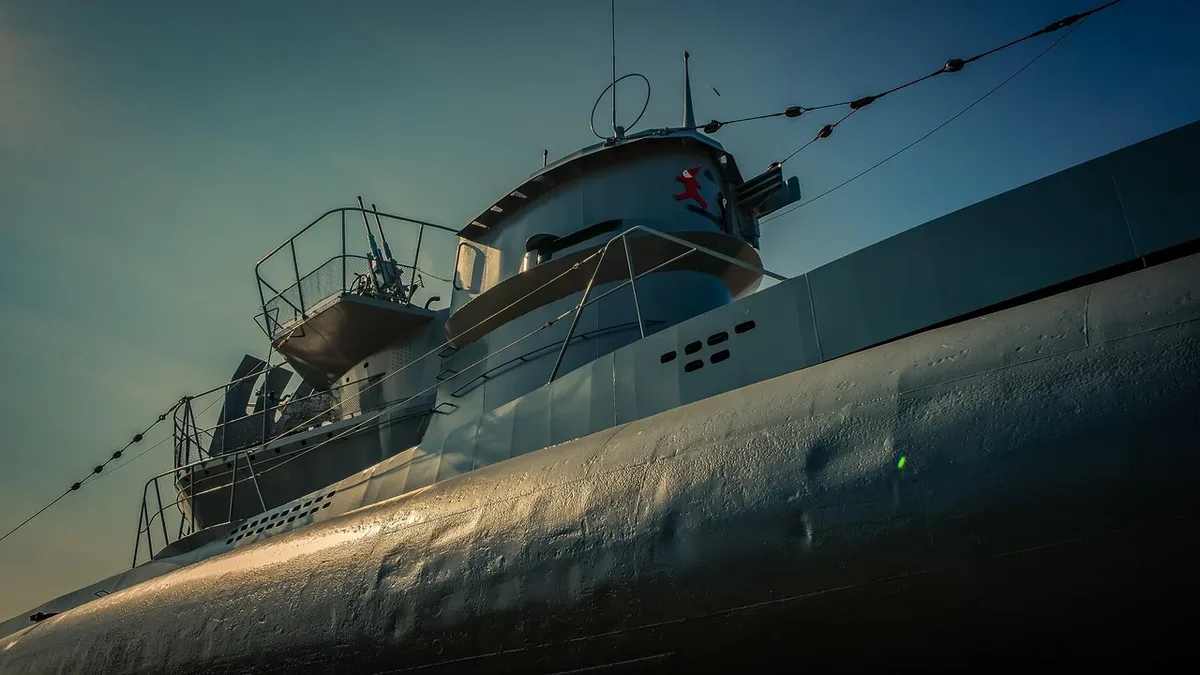
TKMS and EDGE sign MoU for joint underwater
German shipbuilder TKMS and UAE defence conglomerate EDGE have signed a Memorandum of Understanding to jointly explore the development of integrated
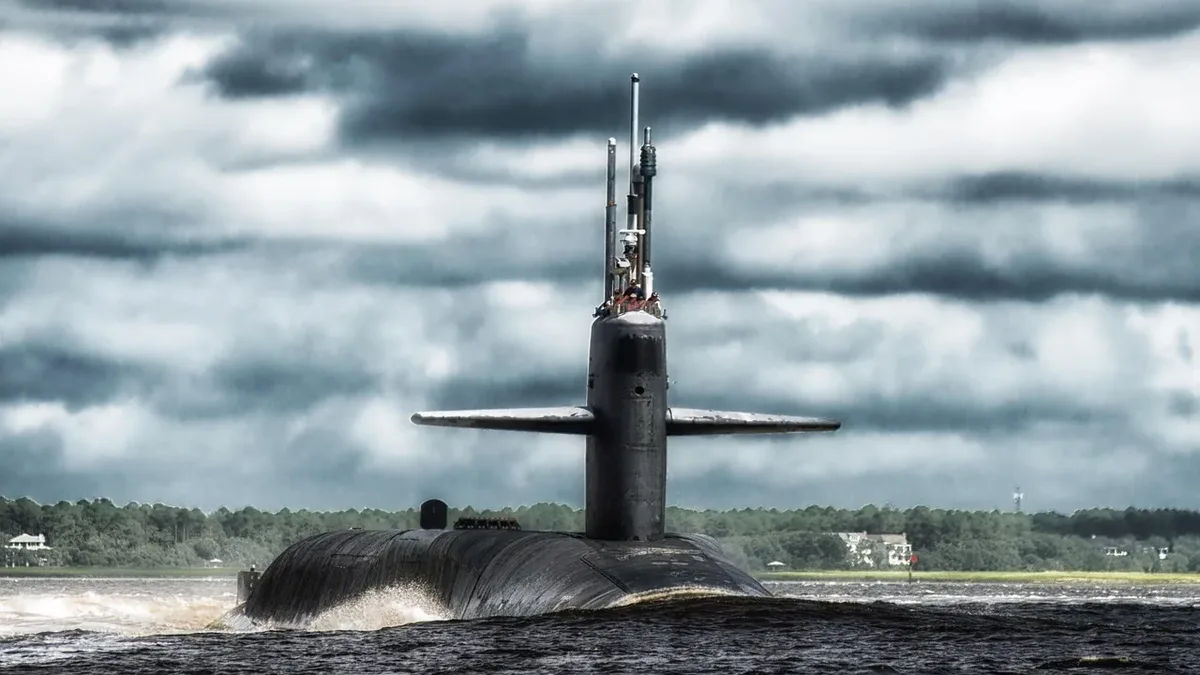
UK MOD Awards TKMS ATLAS Next Generation Torpedo Defence
TKMS ATLAS UK has won a UK Ministry of Defence contract to develop the Next Generation Countermeasure system for Royal Navy submarines, partnering...
Belgium and India sign 10 defence industry
Belgium and India have signed 10 defence industrial agreements during a Belgian delegation's visit to India, covering local production of Thales-made...
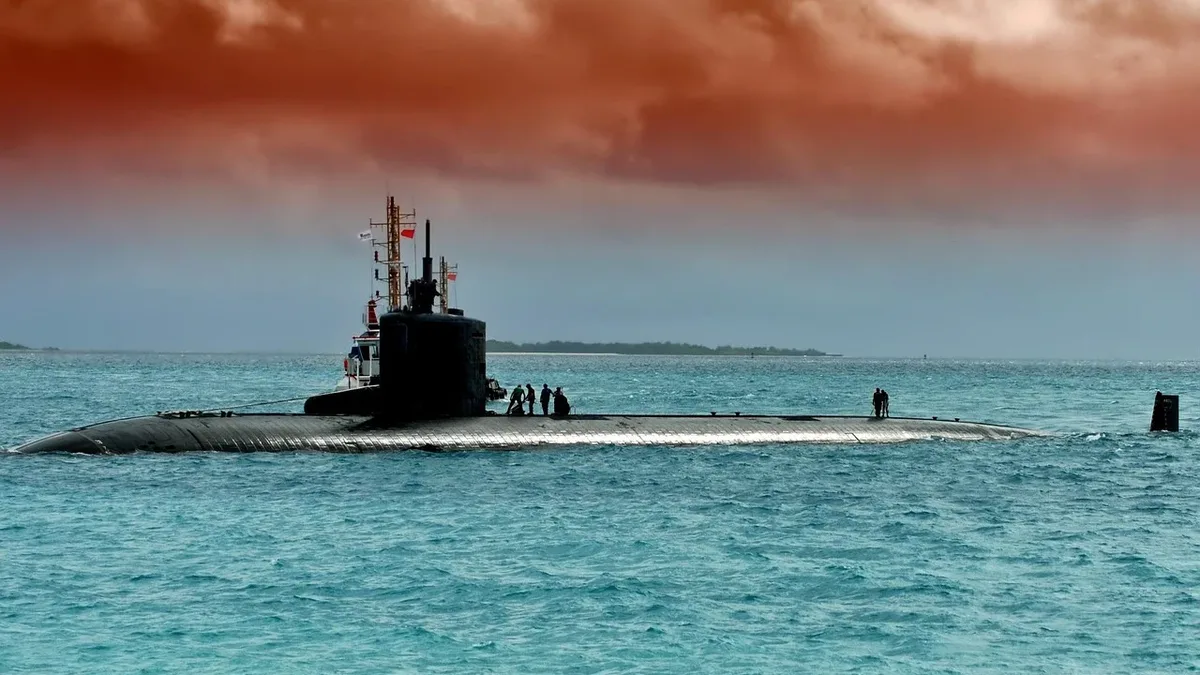
HAVELSAN Unveils AVISTA Underwater Autonomy
Turkish defence firm HAVELSAN has unveiled its self-funded AVISTA R&D project, aiming to develop national capabilities for precise underwater...
US Space Command Prepares for Future Space War
US Space Command has released a document outlining its vision for future space warfighting, highlighting emerging challenges and opportunities.
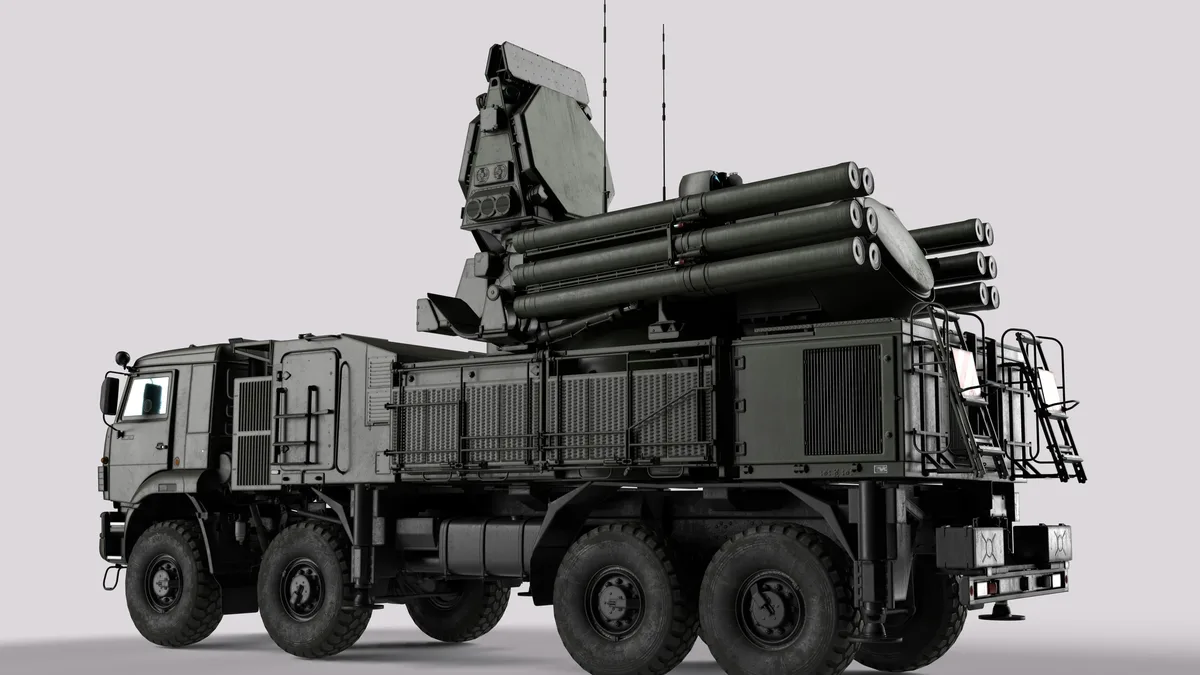
South America Increases Scrutiny of Chinese Space Projects
Governments across South America are taking a closer look at Chinese-backed space and scientific infrastructure projects due to concerns over...