Andean Counter Narcotics Operations
| Country of origin | United States |
|---|---|
| Original use | Counter-narcotics and counter-insurgency support |
| Primary operating region | Andean region of South America |
| Participating forces | United States Armed Forces, host nation forces |
| Typical duration | Short-term deployments and training rotations |
| Typical unit types | Special Operations Forces, aviation detachments, training teams |
| Primary mission types | Training, advising, intelligence sharing, reconnaissance |
Origin and history
Andean Counter Narcotics Operations are a series of multinational military and law enforcement initiatives originating from the United States in the late 20th century. These operations were formally established as a sustained U.S. military commitment in the Andean region of South America during the 1990s. Their creation followed earlier U.S. drug interdiction efforts in the Caribbean and was a direct response to the escalating production of coca and cocaine in source countries. The primary geographical focus has consistently been on the Andean nations of Colombia, Peru, and Bolivia, which historically constituted the world's principal coca cultivation zones. The operations evolved from primarily supporting host-nation forces to involving direct U.S. military participation in advisory, training, and intelligence-sharing roles. This historical trajectory is marked by significant U.S. legislation and funding packages that have authorized and sustained the deployment of personnel and resources to the region for decades.
What it is for
The core purpose of Andean Counter Narcotics Operations is to reduce the supply of illicit narcotics, primarily cocaine, at their source before they can be trafficked internationally. These operations aim to directly disrupt and dismantle the production infrastructure of drug cartels and trafficking organizations within the Andean region. A central tactical objective involves the manual eradication or aerial spraying of coca crops to destroy the raw material for cocaine. Another key function is to support host-nation security forces in conducting raids against processing laboratories and interdicting precursor chemicals. The operations also include extensive training and equipping of local military and police units to enhance their capacity for sustained counter-narcotics missions. Furthermore, they encompass intelligence, surveillance, and reconnaissance activities to map cultivation areas and track the movements of trafficking organizations.
Pros and cons
A significant pro of these operations is their direct targeting of narcotics production at its geographical source, which can theoretically reduce the global supply. They provide substantial material, technical, and intelligence support to partner nations that may lack such resources independently. The military and law enforcement training components can contribute to professionalizing host-nation forces and improving inter-agency coordination. A major con is that forced eradication can devastate the livelihoods of small-scale farmers, often pushing them into further poverty or deeper reliance on illicit groups for protection. The operations frequently face accusations of militarizing a complex socio-economic problem and have been linked to human rights abuses by strengthened security forces. A common strategic mistake is the "balloon effect," where suppression in one area simply displaces cultivation to another region or country without reducing overall net production. Many analysts regret the persistent focus on supply reduction, arguing it neglects the fundamental drivers of demand and fails to address the corruption and weak governance that enable the trade.
Who it suits
These operations primarily suit the strategic interests of the United States government in pursuing an overseas, supply-side approach to its domestic war on drugs. They are suited to the military and law enforcement agencies of the partner nations, such as Colombia, Peru, and Bolivia, which receive enhanced capabilities and funding. The model suits policymakers who prioritize measurable, short-term tactical gains like hectares eradicated or labs destroyed over longer-term developmental solutions. It does not suit smallholder coca farmers who rely on the crop for subsistence and lack viable legal alternatives. The operations are ill-suited for organizations or governments prioritizing holistic approaches that integrate rural development, public health, and judicial reform. Ultimately, the deployment framework suits a bilateral security partnership model where one nation provides resources and another provides territorial access and personnel.
Latest Andean Counter Narcotics Operations news
Latest reporting
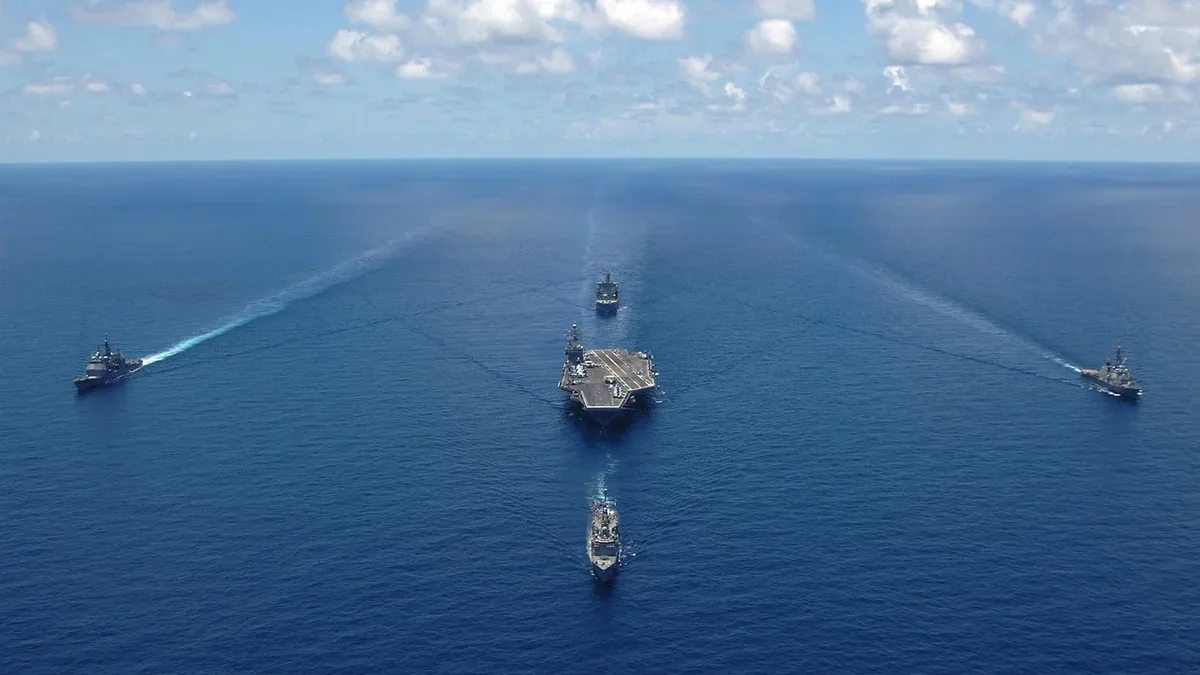
Royal Navy and JEF allies sign Northern Navies Initiative pact
Ten allied navies signed a new interoperability agreement aboard HMS Prince of Wales, committing to seamless joint operations and enhanced deterrence...

Saab Unveils Next-Generation 9LV Combat System at Euronaval 2026
Saab launched its next-generation 9LV naval combat system, featuring a data-centric architecture with zero-trust cybersecurity and NATO-aligned...
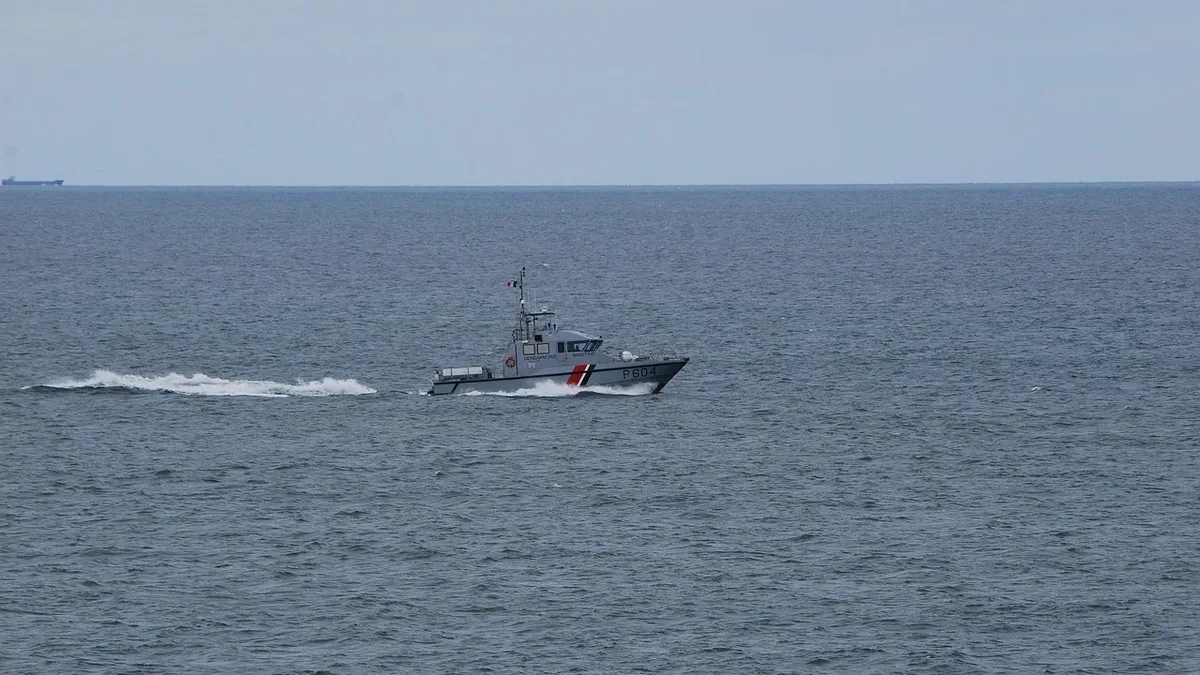
Royal Navy Commissions First Autonomous Squadron
The Royal Navy has formally commissioned its 1st Autonomous Squadron at HMNB Portsmouth, a 180-strong unit backed by a £1.5bn investment to integrate...
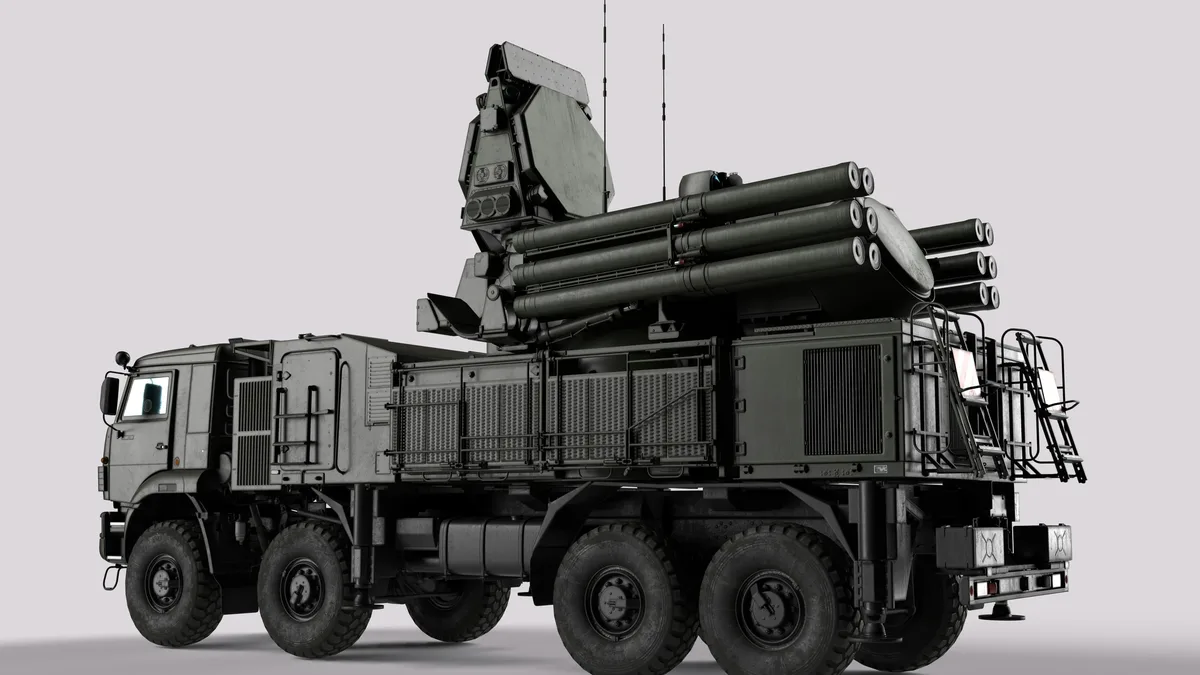
Russia accelerates Rassvet satellite constellation to counter Starlink
Russia has launched 32 Rassvet satellites since March to create a military communications network over Ukraine, aiming to reduce reliance on SpaceX's...

Viasat wins $450 million Space Force contract for Golden Dome network hub
Viasat secured a $450 million contract to build the Mission Operations Center for the Space Data Network Backbone, a critical communications system...
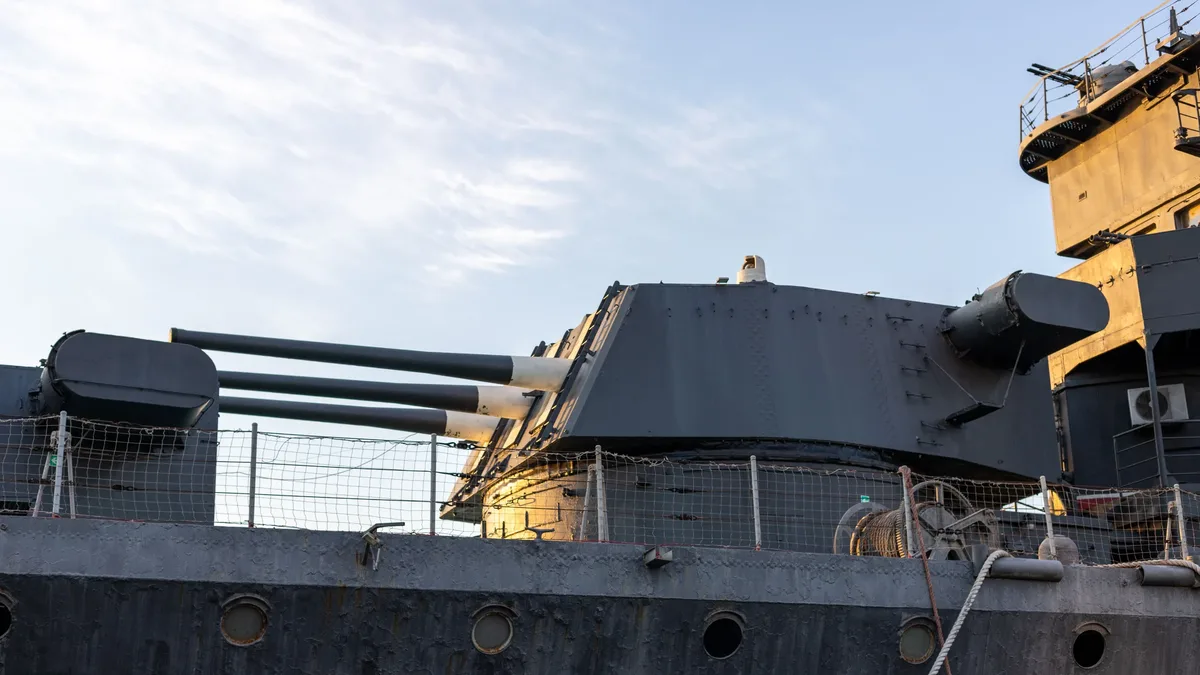
BAE Systems unveils modular 40mm gun family for c-UAS defence
BAE Systems has launched a family of four modular naval gun systems at Euronaval 2026, built around the Bofors 40mm gun and programmable ammunition...