Amazonia Border Operations
| Original use | Border security and counter-narcotics operations |
|---|---|
| Armed force | Brazilian Army |
| Equipment programme | Amazon Border Surveillance System (SISFRON) |
| Role in the state | Territorial sovereignty and law enforcement in remote regions |
| Operating environment | Dense rainforest and riverine areas |
| Deployment type | Long-term, rotational outpost operations |
| Command structure | Amazon Military Command |
Origin and history
Amazonia Border Operations is a sustained, large-scale military deployment conducted by the Brazilian Armed Forces. Its origins lie in Brazil's long-standing challenges with securing its vast and remote Amazonian borders. The operational framework was formally developed and named in the late 20th century, responding to escalating transnational threats. These threats included illicit trafficking routes for drugs and weapons, illegal logging and mining, and incursions by non-state armed groups. The deployment evolved from earlier, more sporadic border patrols and jungle garrisons into a permanent, integrated military presence. Its historical development is directly tied to the Brazilian state's evolving national security strategy for the Amazon region.
What it is for
The primary purpose of Amazonia Border Operations is to assert national sovereignty and control over Brazil's remote northern and western land borders within the Amazon basin. It is designed to interdict and dismantle cross-border criminal activities, including drug smuggling, wildlife trafficking, and the operations of illegal mining and logging syndicates. A key function is to deny the use of Brazilian territory for the movement or establishment of foreign guerrilla groups and other non-state actors. The deployment also supports other government agencies in environmental protection missions against deforestation and illegal resource extraction. Furthermore, it provides a military presence that aids in census operations, offers limited humanitarian assistance to isolated communities, and collects intelligence on border area dynamics. Its role is fundamentally one of territorial control and denial in an exceptionally challenging environment.
Pros and cons
A significant advantage of Amazonia Border Operations is the tangible assertion of state presence in regions otherwise dominated by lawless actors, providing a deterrent and a direct intervention capability. It facilitates intelligence gathering and fosters interagency cooperation between the military and federal police or environmental agencies. However, a major con is the immense logistical and financial cost of sustaining thousands of troops in isolated jungle locations with limited infrastructure. The deployment also faces persistent criticism for occasional overreach, where military actions allegedly infringe on the rights of indigenous populations or legitimate local communities. A common operational mistake is the difficulty in distinguishing between criminal actors and local subsistence populations, potentially leading to friction and human rights concerns. Furthermore, the cyclical nature of some criminal activities means successes are often temporary, as traffickers adapt routes, leading to accusations the operation is a costly, perpetual effort without decisive conclusion.
Who it suits
This deployment suits a state, specifically Brazil, facing the unique challenge of securing a vast, porous, and ecologically sensitive land border against asymmetric, transnational threats. It is suited to a military with specialized jungle warfare training and the institutional capacity for long-term, remote logistics. The operational model suits a national security policy that prioritizes territorial integrity and the combat of cross-border crime as a primary defense objective. It is less suited to nations with compact borders or those where border security is primarily a law enforcement, rather than a military, function. The deployment suits a strategic context where the symbolic and physical demonstration of state power is considered as important as immediate, quantifiable results. It does not suit a military or government unwilling to commit to a multi-decade, resource-intensive presence with complex socio-environmental ramifications.
Latest Amazonia Border Operations news
Latest reporting

Estonia Closes Russia Border After GRU-Linked Sabotage Attempt
Estonia will close all border crossings with Russia from December 1, responding to a foiled GRU-ordered arson attack on the Threod Systems drone...
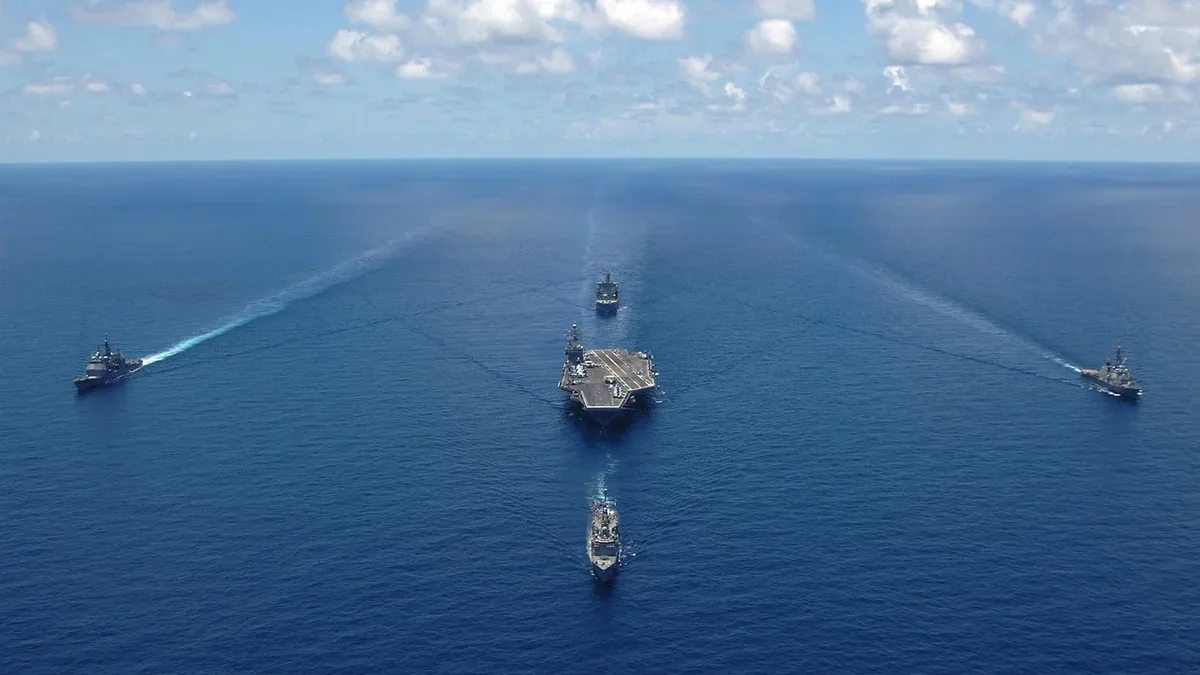
Royal Navy and JEF allies sign Northern Navies Initiative pact
Ten allied navies signed a new interoperability agreement aboard HMS Prince of Wales, committing to seamless joint operations and enhanced deterrence...

Saab Unveils Next-Generation 9LV Combat System at Euronaval 2026
Saab launched its next-generation 9LV naval combat system, featuring a data-centric architecture with zero-trust cybersecurity and NATO-aligned...
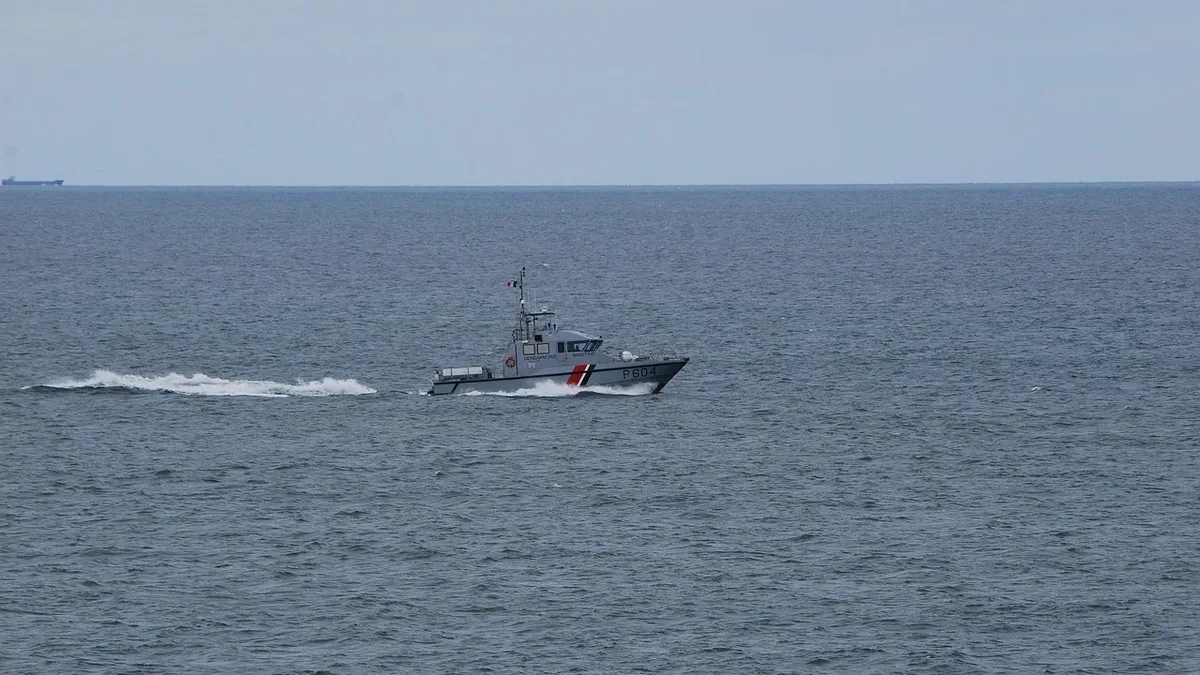
Royal Navy Commissions First Autonomous Squadron
The Royal Navy has formally commissioned its 1st Autonomous Squadron at HMNB Portsmouth, a 180-strong unit backed by a £1.5bn investment to integrate...

Viasat wins $450 million Space Force contract for Golden Dome network hub
Viasat secured a $450 million contract to build the Mission Operations Center for the Space Data Network Backbone, a critical communications system...
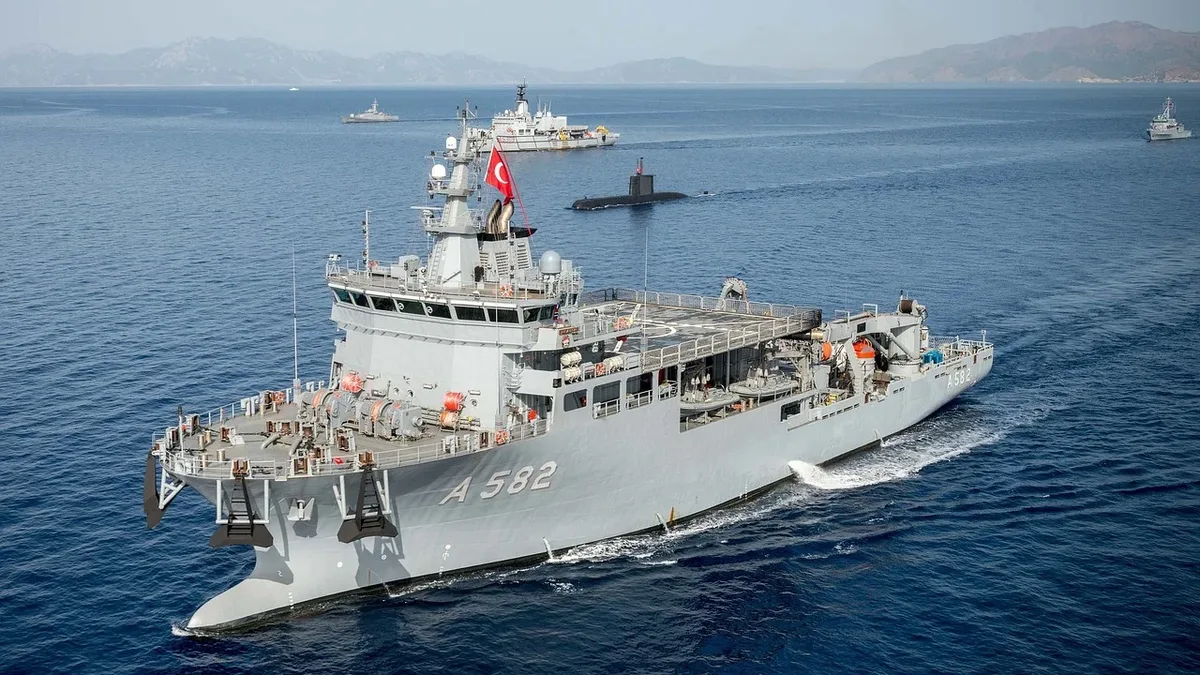
Finland launches third Pohjanmaa-class corvette for Squadron 2020
Rauma Marine Constructions has launched the third of four Pohjanmaa-class multi-purpose corvettes, a key step in Finland's Squadron 2020 naval...