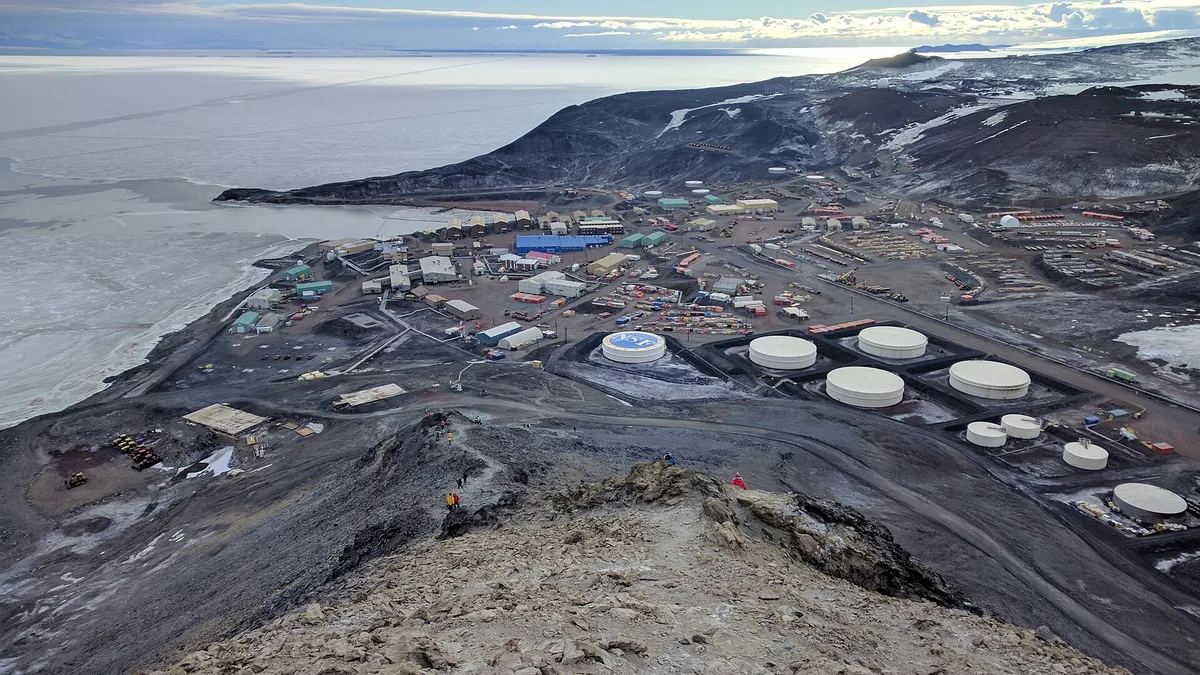
Antarctic Claims And Station Logistics
| Status under international law | Governed by the Antarctic Treaty System |
|---|---|
| Key treaty | Antarctic Treaty (signed 1959, entered into force 1961) |
| Territorial claims | Seven claimant states (Argentina, Australia, Chile, France, New Zealand, Norway, United Kingdom) |
| Claim overlap | Overlapping claims by Argentina, Chile, and United Kingdom |
| Logistics constraint | Extreme isolation and harsh climate |
| Station resupply | Primarily by sea using ice-strengthened vessels and by air |
| Original use of stations | Scientific research |
Origin and history
The concept of Antarctic territorial claims originates from early 20th-century exploration, primarily by nations with historic expeditionary and naval capabilities. Seven sovereign states, Argentina, Australia, Chile, France, New Zealand, Norway, and the United Kingdom, maintain formal territorial claims on the continent, a situation established from the 1900s through the 1940s. The logistical framework for supporting permanent research stations emerged later, developing significantly in the post-World War II era and the International Geophysical Year of 1957-58. The Antarctic Treaty System, signed in 1959 and entering into force in 1961, froze all existing claims and prohibited new ones while establishing the continent as a zone for peaceful scientific cooperation. The logistical challenge of establishing and maintaining year-round stations in this extreme environment evolved from simple huts to complex, permanent installations requiring sustained national investment. This ongoing logistical effort is fundamentally an exercise in sovereign presence and capability projection, even within the treaty's scientific framework, with origins deeply tied to national polar exploration histories.
What it is for
Antarctic Claims And Station Logistics serves the dual purpose of maintaining a physical sovereign presence and enabling scientific research in accordance with the Antarctic Treaty. The logistical infrastructure supports the continuous operation of research stations, which require comprehensive systems for power generation, waste management, water production, and communications in an isolated and hostile environment. It facilitates the annual resupply of personnel, fuel, food, and scientific equipment, often involving complex air and sea operations coordinated by national agencies. This logistical network is essential for conducting long-term scientific programs in fields such as glaciology, atmospheric sciences, and astronomy, which have global implications. For national armed forces, involvement typically includes providing strategic airlift, icebreaker support, engineering expertise for construction, and search-and-rescue capabilities for national Antarctic programs. The entire endeavor acts as a sustained demonstration of national technical competency and operational reach in one of the planet's most challenging theaters, underpinning a state's geopolitical interests within the treaty's legal constraints.
Pros and cons
A primary advantage is the secure platform it provides for scientific research of global importance, enhancing a nation's scientific prestige and contributing to understanding climate change. The logistical capability also develops and maintains unique national expertise in extreme-environment engineering, medicine, and operations, with potential dual-use applications. Maintaining a station solidifies a nation's role within the Antarctic Treaty System's consultative meetings, preserving its influence over the continent's governance. A significant con is the immense and recurring financial cost, requiring long-term budgetary commitment for infrastructure, transport, and personnel, with funds often diverted from other scientific or defense priorities. The logistical complexity carries inherent risk, where equipment failure, severe weather, or accidents can lead to environmental contamination, loss of life, and severe reputational damage. Nations may also face the strategic dilemma of investing heavily in a station that yields minimal tangible economic return and can become a political liability if a disaster occurs, leading to public questioning of its value.
Who it suits
This model suits states with historical claims or deep-rooted polar exploration traditions that view a sustained Antarctic presence as a matter of national identity and prestige. It is appropriate for nations possessing the specialized technical and financial resources to support multi-decade logistical chains, typically advanced economies with robust aerospace, maritime, and engineering sectors. States with strategic interests in southern hemisphere geopolitics or adjacent maritime territories find value in maintaining operational familiarity with the region. It suits national scientific communities that require guaranteed, long-term access to Antarctic data and field sites, backed by state-level logistical support. Military and para-military organizations with mandates that include humanitarian aid, disaster response, and extreme-environment operations benefit from the unique training and capability development such logistics provide. Ultimately, it is a system for states willing to accept high cost and risk to secure a voice in Antarctic governance and demonstrate sovereign capability.
Latest Antarctic Claims And Station Logistics news
Latest reporting
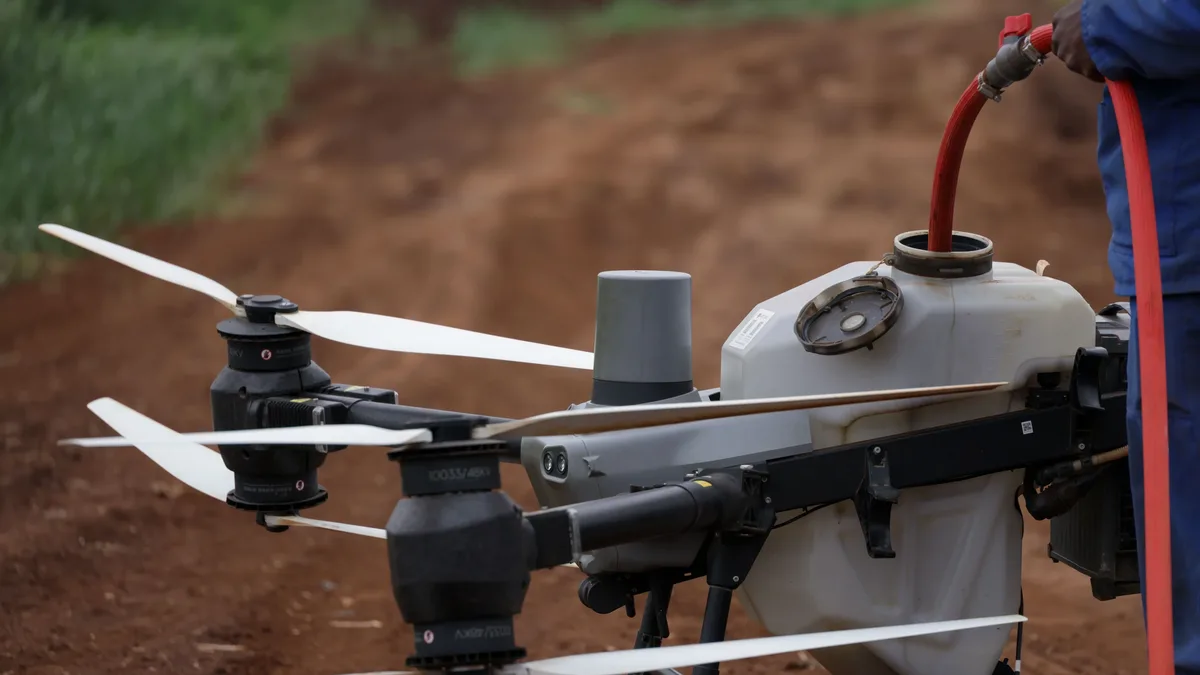
Iran Captures U.S. Anduril Dive-LD Underwater Drone
Iran's IRGC claims to have captured an American Anduril Dive-LD autonomous underwater vehicle in the Strait of Hormuz.
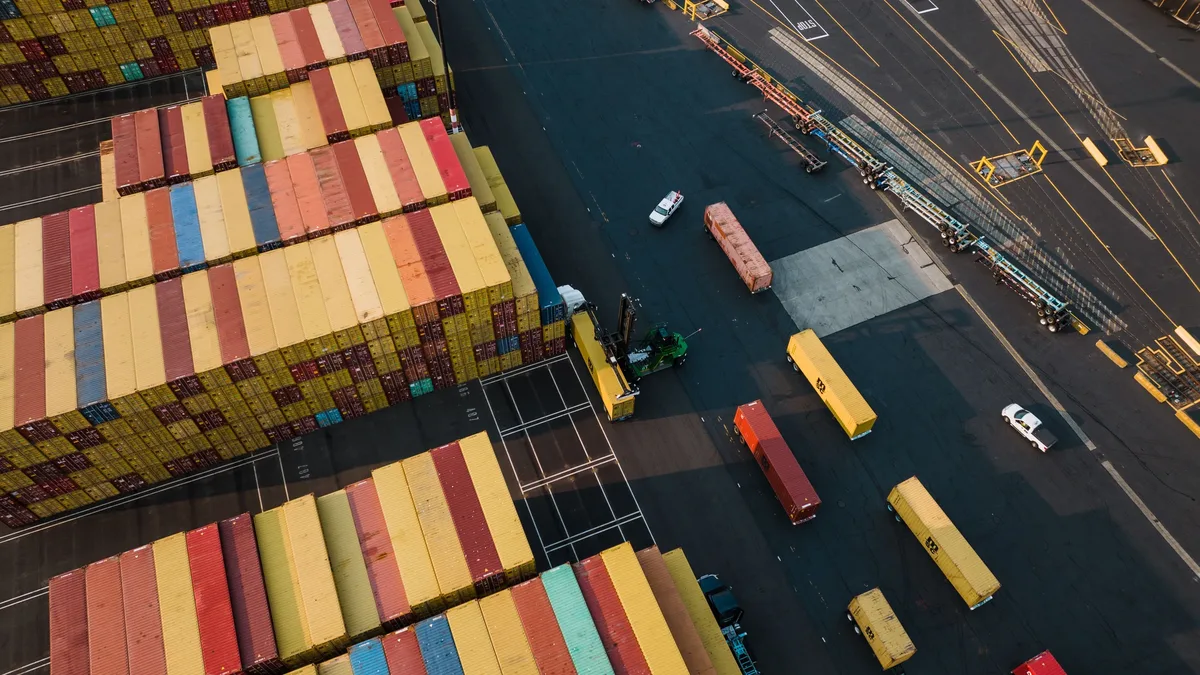
Ndrangheta Expands Cocaine Hub in Ecuador
The Italian 'Ndrangheta mafia is using Ecuador as a key logistics hub for cocaine trafficking to Europe, operating through local gangs and...

Japan orders mass-produced 3D-printed drones
Japan's Acquisition, Technology, and Logistics Agency (ATLA) has signed a mass production agreement for the Terra B1 interceptor drone.

STR8 Industries Ghostwake USV
STR8 Industries has developed an unmanned surface vessel called Ghostwake, designed for operations across the first island chain and produced in...
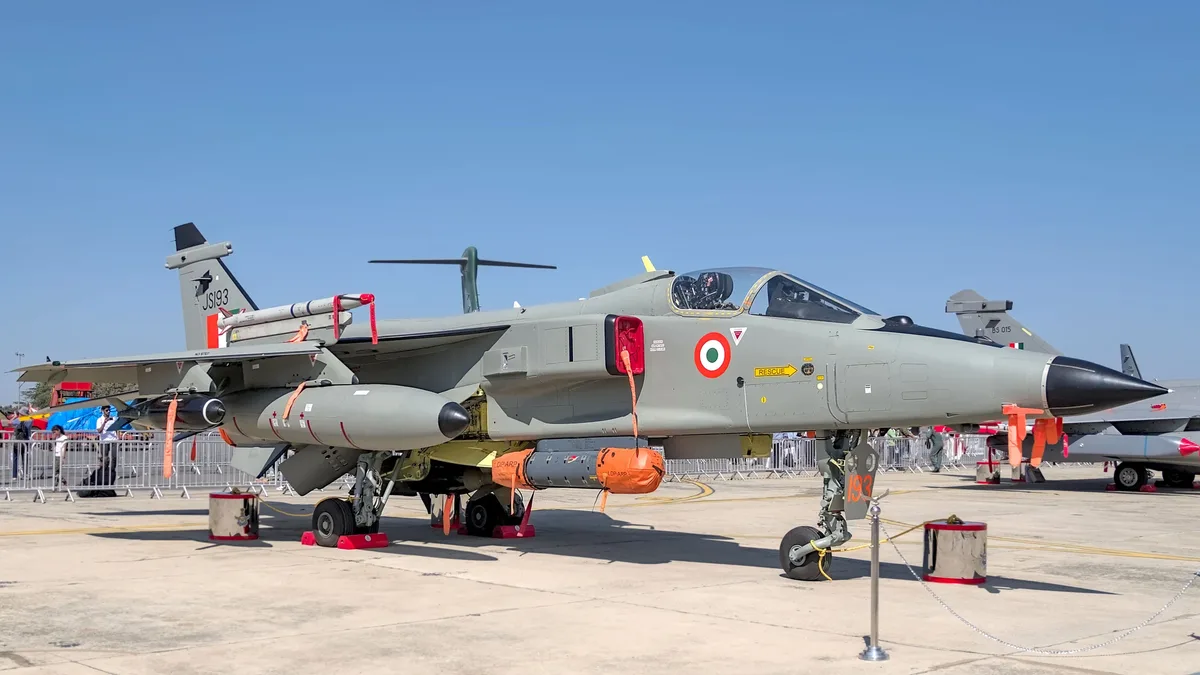
Ecuador's Fishing Sector Exploited by Drug Traffickers
Mexican cartels and Ecuadorian criminal organizations have formed a transnational logistics network, using Ecuador's fishing sector as a cover for...