Turkish Aerospace
| Country of origin | Turkey |
|---|---|
| Original use | Military aviation and aerospace technology development |
| Primary role | Design, development, and manufacture of military aircraft, unmanned aerial vehicles, and aerospace systems |
| Notable platforms | TAI Hürjet (trainer/light attack), TAI Anka (MALE UAV), TAI Aksungur (MALE UAV), TAI Hürkuş (trainer) |
| Parent organization | Turkish Ministry of National Defence |
| Industrial focus | Fixed-wing aircraft, unmanned aerial vehicles, helicopters, satellites, avionics |
Origin and history
Turkish Aerospace is a state-owned aerospace and defense company originating from Turkey. Its foundational roots trace back to the 1970s, established as part of a national strategic initiative to develop indigenous industrial capabilities. The organization was formally structured under the Turkish Armed Forces Foundation in the 1980s to centralize aviation development efforts. Its creation was a direct response to Turkey's dependency on foreign suppliers for military aircraft and the desire for technological sovereignty. Over subsequent decades, it evolved from an assembly and maintenance center into a full-fledged design and manufacturing entity. The company's history is intertwined with Turkey's broader defense industrialization policies, which gained significant momentum from the late 20th century onward.
What it is designed for
Turkish Aerospace is designed to serve as the primary national center for the design, development, modernization, and manufacturing of integrated aerospace systems. Its core purpose is to fulfill the technological and platform requirements of the Turkish Armed Forces, reducing reliance on foreign procurement. The company is engineered to execute complex fixed-wing and rotary-wing aircraft projects, from advanced trainers and unmanned aerial vehicles to fighter jets and satellites. It is structured to manage the complete lifecycle of aerospace platforms, including systems integration, testing, certification, and post-delivery support. A key design function is to act as a national systems integrator, coordinating a vast network of domestic subcontractors to build a sovereign supply chain. Furthermore, it is intended to develop technologies that enhance Turkey's strategic autonomy and allow for entry into the global aerospace market as a competitive exporter.
Development and versions
Development at Turkish Aerospace has progressed through distinct phases, beginning with licensed production and co-manufacturing of foreign designs. Early work included the assembly of F-16 Fighting Falcons and the manufacture of components for major international aerospace primes. Its first major indigenous development was the TAI Hürkuş, a basic and advanced trainer aircraft, which undertook its maiden flight in the 2010s. This was followed by the Anka series of Medium-Altitude Long-Endurance (MALE) unmanned aerial vehicles, which have seen multiple iterative versions with enhanced payloads and endurance. The most ambitious development program is the TF-X Kaan, a fifth-generation stealth fighter jet project initiated in the 2010s, aiming for future air superiority. Concurrently, the company develops the T625 Gökbey, a general-purpose helicopter, and the Hürjet, an advanced jet trainer and light attack aircraft, representing a broadening portfolio.
Fastest Turkish Aerospace
The fastest aircraft developed by Turkish Aerospace is the Hürjet, a single-engine advanced jet trainer and light attack aircraft. It is designed to achieve supersonic speeds, a critical requirement for training pilots who will transition to modern fighter jets like the F-16 and eventually the TF-X. The platform's speed capability allows it to perform high-speed interception and close air support profiles, expanding its operational utility beyond basic training. Its performance parameters are intended to bridge the gap between slower propeller-driven trainers and frontline combat aircraft. The integration of modern avionics and a powerful engine is central to achieving these high-speed flight characteristics. As a supersonic platform, the Hürjet represents a significant step in the complexity of aircraft that Turkish Aerospace can develop independently.
Turkish Aerospace specs
Specifications for Turkish Aerospace products vary widely across its portfolio, encompassing diverse aircraft categories. For unmanned systems, the Anka series features wingspans exceeding 17 meters, endurance figures lasting over 24 hours, and operational ceilings above 30,000 feet. The T625 Gökbey helicopter has a maximum take-off weight of approximately 6,000 kilograms, can carry up to 12 passengers, and is powered by twin turboshaft engines. The Hürjet jet trainer is characterized by its supersonic speed capability, modern glass cockpit, and potential for a variety of air-to-air and air-to-ground munitions. The TF-X Kaan fighter program aims for twin-engine configuration, internal weapon bays for low observability, and advanced sensor fusion akin to fifth-generation aircraft. Common across newer platforms is the emphasis on indigenous mission computers, avionics suites, and data-link systems developed by other Turkish defense companies.
Overview
Turkish Aerospace functions as the cornerstone of Turkey's defense aerospace sector, operating as a large-scale systems integrator and prime contractor. Its product range includes manned and unmanned fixed-wing aircraft, helicopters, satellites, and critical subsystems for both domestic and international programs. The company operates extensive manufacturing, research and development, and testing facilities within Turkey, employing thousands of engineers and technical staff. Its strategic importance is underscored by its direct role in executing the Turkish Armed Forces' most ambitious equipment programs, particularly in air power. The organization's growth reflects a decades-long state policy that prioritizes defense self-sufficiency and the development of a national technological base. Its activities are closely aligned with military planning, often involving direct collaboration with the Turkish Air Force and other service branches from the conceptual design phase.
What to know
It is essential to understand that Turkish Aerospace is not merely a manufacturer but a state-directed instrument of national industrial and defense policy. Its projects are often politically charged, with timelines and technological goals subject to the realities of developing complex systems from scratch. The company's success is heavily dependent on a network of hundreds of local subcontractors, whose collective technological maturity directly impacts program schedules and performance outcomes. International partnerships and technology transfers remain crucial, especially for advanced materials, engines, and certain avionics, despite the goal of full independence. Certification of its aircraft for export, particularly to NATO-aligned countries, involves navigating stringent regulatory and political landscapes beyond pure technical performance. Budgetary allocations for its mega-projects, like the TF-X, are substantial and long-term, representing a significant national investment with inherent financial and technical risk.
Common questions
A common question is whether Turkish Aerospace aircraft use entirely Turkish-made components, to which the answer is that they increasingly use indigenous subsystems but still rely on some foreign-sourced critical items like certain engines. Many inquire about the operational status of the TF-X Kaan fighter, which as of its development phase has conducted maiden flights but remains years away from serial production and entry into service. Questions often arise regarding how its products, like the Anka drone, compare to international competitors, focusing on performance metrics such as endurance, payload capacity, and electronic warfare capabilities. Another frequent area of inquiry is the export customer base for its platforms, which includes nations with existing defense ties to Turkey, often involving technology sharing or co-production agreements. Observers also commonly ask about the role of foreign engineering partners in its programs, which has historically included collaborative work with companies from Europe and Asia on specific technologies.
Pros and cons
A significant pro is the achievement of a substantial degree of design sovereignty and systems integration capability, allowing Turkey to tailor platforms to its specific military needs and reduce foreign political leverage. The development of a domestic aerospace ecosystem creates high-skilled jobs, retains capital within the country, and fosters secondary technological innovations. Dependency on a nascent domestic supply chain can sometimes result in quality control issues or bottlenecks, affecting production rates and reliability. A common mistake for observers is to underestimate the immense financial and technical challenges of sustaining such a broad portfolio simultaneously, which can strain resources and management focus. Entities or nations considering partnership may regret engagement if they underestimate the political complexities and potential for international sanctions to disrupt supply chains for critical imported subsystems.
Who it suits
Turkish Aerospace primarily suits the procurement needs of the Turkish Armed Forces, which require customized solutions and operational independence from foreign suppliers. Its products suit nations seeking capable military aerial platforms without the stringent political conditions often attached by traditional Western exporters, particularly in the unmanned systems market. The company's partnership model suits foreign defense firms seeking offset agreements or production work shares in exchange for technology access to the Turkish market. Its development programs suit a national industrial policy aimed at long-term strategic autonomy, even at the expense of higher upfront costs and development risks compared to off-the-shelf procurement. The ecosystem it fosters suits domestic engineering talent and subcontractor companies seeking to engage in high-technology sectors under state-backed demand. It does not suit buyers requiring immediate, proven, and logistically supported platforms with decades of operational history and extensive global spare parts networks.
Latest Turkish Aerospace news
Latest reporting

Malaysia selects Turkish Atmaca missile to replace blocked Norwegian NSM
Malaysia has chosen Turkey's Atmaca anti-ship missile to replace the banned Norwegian NSM for its Littoral Combat Ships, aiming to overcome a...

Turkey demonstrates MALAMAN smart mine in Nusret 2026 exercise
The Turkish Navy field-tested its domestically developed MALAMAN smart bottom mine during the multinational Nusret 2026 exercise, deploying it from a...
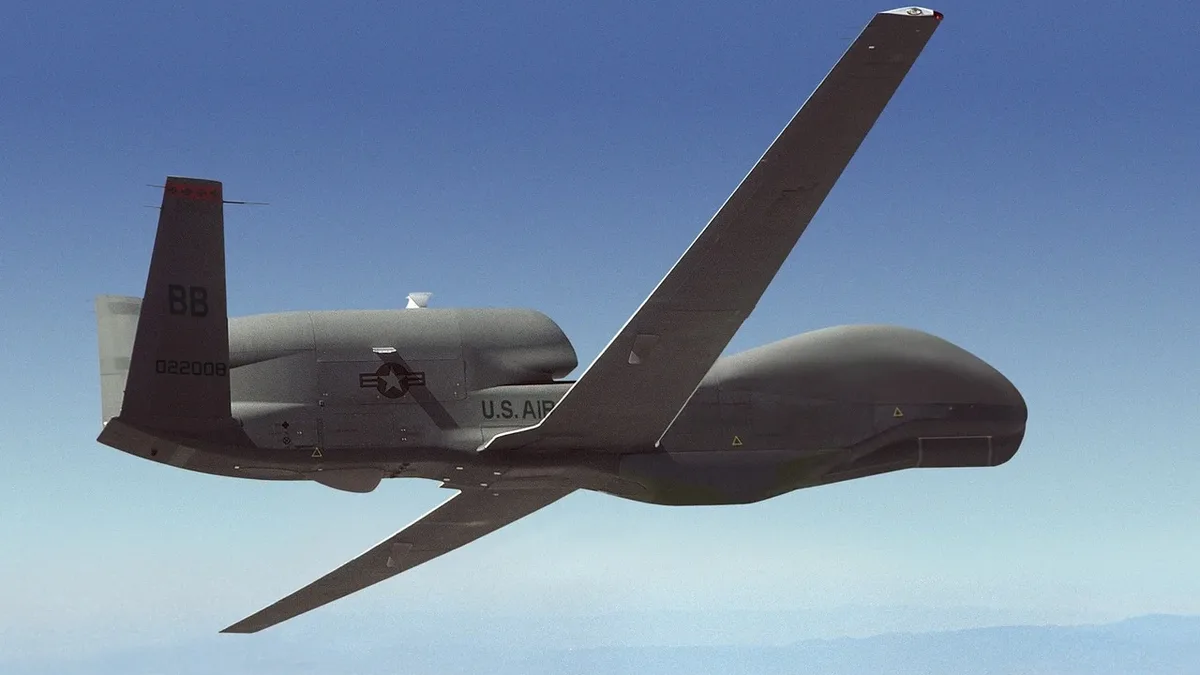
Italy tests European armaments for new Astore Levante drone
Italy is testing MBDA weapons for its new Italo-Turkish drone, while the French Navy has intercepted a suspected shadow fleet tanker in the Indian...
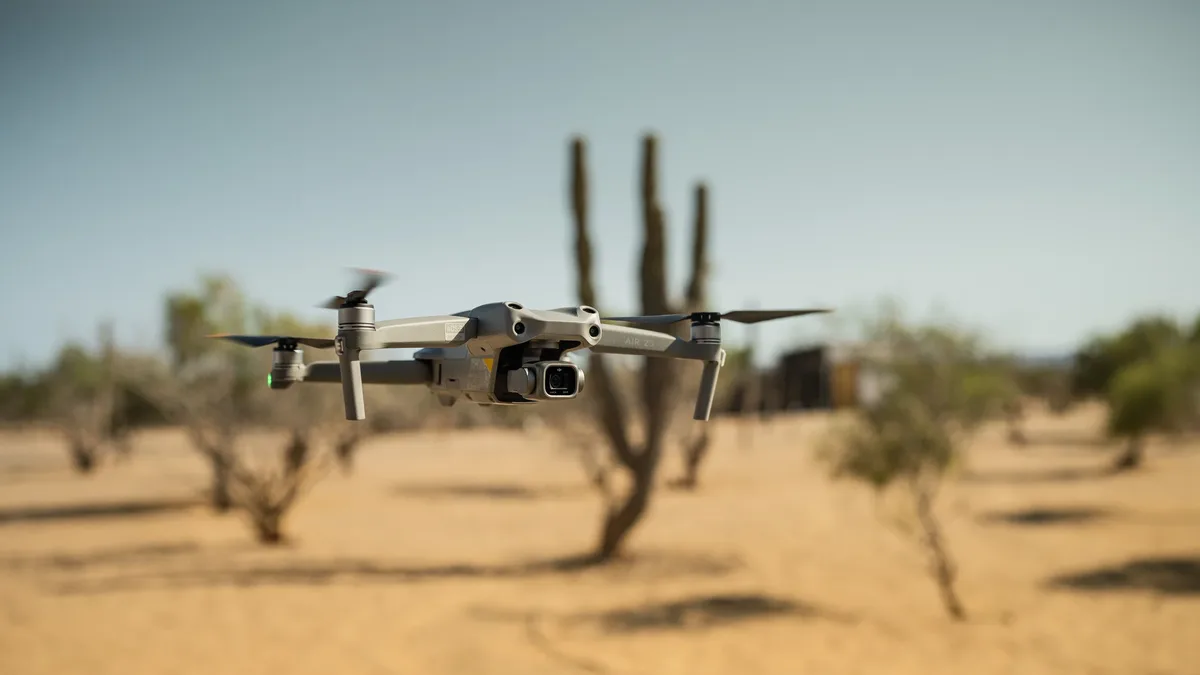
Saudi Navy graduates personnel from AKINCI UAV training
The Royal Saudi Naval Forces graduated 30 personnel from Turkish AKINCI combat drone training in September 2026.
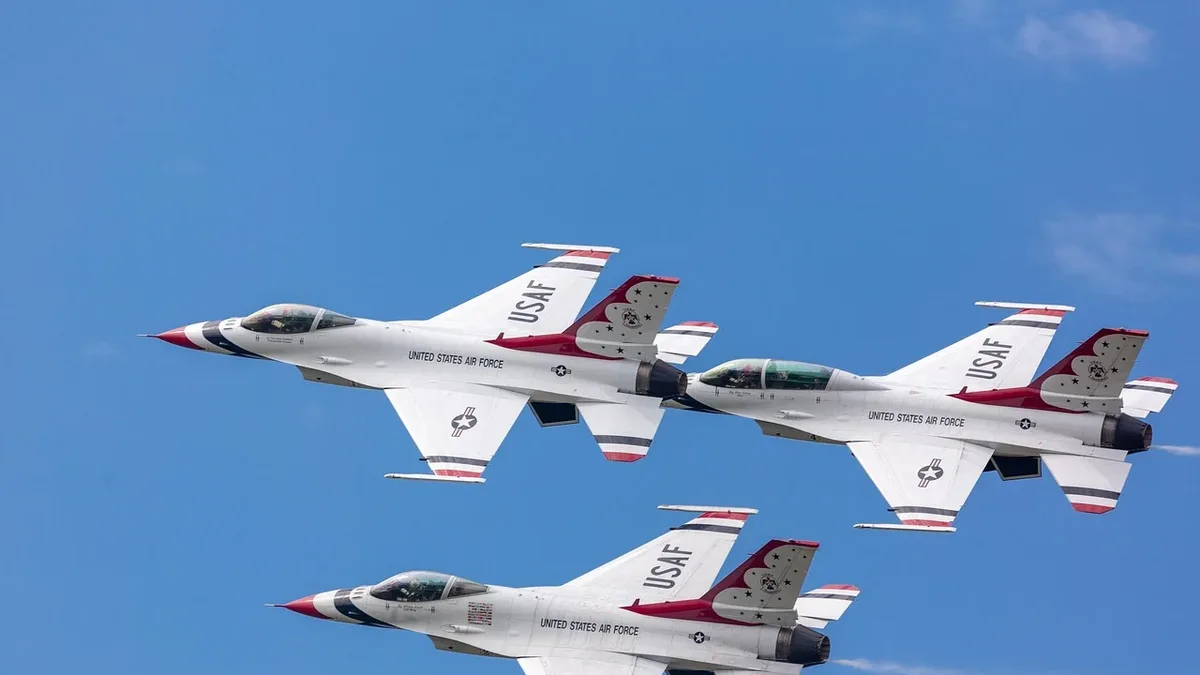
Air Force Eliminates China Aerospace Studies Institute
The U.S. Air Force is cutting all 10 civilian positions at the China Aerospace Studies Institute effective October 1.
German Navy Tests IAI's Naval LORA Missile
The German Navy has successfully test-fired Israel Aerospace Industries' Naval LORA ballistic missile from a warship, hitting its target with...