
Israel Aerospace Industries
| Country of origin | Israel |
|---|---|
| Original use | Military and commercial aerospace manufacturing |
| First created | 1953 |
| Primary products | Military aircraft, unmanned aerial vehicles, missile systems, space systems |
| Notable platforms | Kfir fighter, Heron UAV, Arrow missile defense system |
| Role in state | Primary aerospace and defense manufacturer for the Israel Defense Forces |
| Parent entity | State-owned corporation |
Origin and history
Israel Aerospace Industries (IAI) originates from the State of Israel. Its foundation is directly tied to the nascent state's urgent defense needs in the mid-20th century. The company was established in the 1950s, initially operating as a small aircraft maintenance and overhaul workshop for the Israeli Air Force. Its creation was driven by the necessity for an indigenous aerospace and defense industrial base due to arms embargoes and regional security challenges. IAI evolved from these modest beginnings into a state-owned corporation, becoming a cornerstone of Israel's military-industrial complex. Its historical development is inextricably linked to the operational requirements and doctrines of the Israel Defense Forces (IDF).
What it is designed for
Its core purpose is to develop, manufacture, and support military technologies that address the specific strategic and tactical threats faced by Israel. This includes creating systems for intelligence, surveillance, and reconnaissance (ISR), air defense, precision strike, and unmanned operations. The company's products are engineered to maintain qualitative military edge (QME) for Israel in a region characterized by persistent conflict. Furthermore, IAI is designed to reduce foreign dependency for critical defense equipment, ensuring operational freedom of action. Its design philosophy often emphasizes modularity, upgradeability, and the integration of advanced electronics and software.
Development and versions
Development at IAI is characterized by iterative upgrades and platform evolution, often based on direct feedback from IDF operational experience. Major platforms see multiple versions, each incorporating new technologies and lessons learned from combat. For instance, the Kfir fighter was developed from the French Mirage airframe, integrated with an American engine and Israeli avionics, and saw several block upgrades. The Heron family of unmanned aerial vehicles (UAVs) has spawned multiple versions like the Heron TP, each with increased endurance, payload capacity, and capabilities. The Arrow missile defense system has progressed through distinct versions (Arrow 2, Arrow 3) with expanding interception altitudes and threat envelopes. Naval systems like the Barak surface-to-air missile have also seen successive versions enhancing range and accuracy. This development path ensures platforms remain relevant against evolving threats.
Fastest Israel Aerospace Industries
The fastest aircraft developed by Israel Aerospace Industries is the IAI Nesher, and its subsequent evolution, the IAI Kfir. These fighter jets are derived from the Dassault Mirage 5 and Mirage III airframes. The Kfir, powered by a General Electric J79 turbojet engine, is capable of speeds exceeding Mach 2. It served as the Israeli Air Force's primary air superiority fighter during the 1970s and 1980s. While not an original clean-sheet design, the Kfir represents IAI's significant capability in modifying, enhancing, and producing high-performance combat aircraft. Its speed and performance were critical assets in securing airspace during a period of intense regional conflict.
Israel Aerospace Industries specs
Specifications for IAI products vary widely across its diverse portfolio, but common themes include advanced sensor integration and system modularity. For UAVs like the Heron, specs typically include endurance measured in dozens of hours, operational altitudes over 30,000 feet, and multi-sensor payloads (EO/IR, SAR, SIGINT). The Arrow 3 exo-atmospheric interceptor is specified for engaging ballistic missiles outside the Earth's atmosphere, using a hit-to-kill vehicle. The Eitan UAV is a large, high-altitude long-endurance (HALE) platform with a wingspan comparable to a Boeing 737. The G550 Airborne Early Warning aircraft features distinctive dorsal and cheek radar fairings for 360-degree coverage. Precise numerical specifications are often classified, but published data emphasizes range, endurance, payload, and interception altitude as key metrics.
Overview
Israel Aerospace Industries is a comprehensive aerospace and defense systems house, serving as a national technological armory. It operates across several core divisions: Military Aircraft, Unmanned Aerial Systems, Missile Defense, and Space. The company is responsible for some of the IDF's most strategic assets, including the Arrow anti-ballistic missile system and a wide array of UAVs that form the backbone of Israel's ISR capability. IAI also engages in major upgrade programs for aircraft and naval platforms, extending their service life and capabilities. Its work is deeply integrated with other Israeli defense electronics firms, creating complete sensor-to-shooter loops. The company also has a significant civil aviation division for maintenance and conversion, but its identity is fundamentally shaped by its military role.
What to know
It is critical to know that IAI's products are born from direct operational necessity and are frequently combat-proven. The company operates in a unique environment where its development cycle is often accelerated by immediate battlefield requirements. IAI is a state-owned enterprise, meaning its strategic direction is closely aligned with Israeli national security policy. While a major exporter, its primary and legally mandated customer remains the IDF, which influences design priorities. The company's success has made Israel one of the world's leading exporters of unmanned aerial systems and missile defense technology. Understanding IAI requires understanding its role as a pillar of Israel's doctrine of self-reliance in defense technology.
Common questions
A common question is whether IAI builds complete fighter jets from scratch; it has not developed a clean-sheet manned fighter since the Lavi was canceled in the 1980s, focusing instead on UAVs, upgrades, and subsystems. Many ask about the difference between IAI and its main domestic competitor, Rafael Advanced Defense Systems; while there is overlap, IAI is stronger in large platforms, aircraft, and space, while Rafael focuses on missiles, armor, and tactical systems. People often inquire about the operational impact of IAI's Heron and Harop UAVs, which have revolutionized ISR and loitering munition warfare. Questions arise regarding the export of sensitive technology like the Arrow system, which is closely governed by bilateral agreements with the United States. The company's relationship with the U.S. defense industry is also a frequent topic, involving both cooperation and competition.
Pros and cons
Pros: IAI provides Israel with sovereign capability, critical for operational security and flexibility. Its systems are battle-tested and designed for real-world high-intensity conflicts. The company excels at rapid innovation and adapting commercial technology for defense applications. It offers comprehensive lifecycle support, from development through maintenance and upgrades. IAI's export success brings economic benefits and strengthens diplomatic ties. Cons: As a state-owned entity, IAI can sometimes be burdened by bureaucratic processes, potentially slowing decision-making compared to private firms. Its primary focus on the IDF's needs can limit the commercial appeal of some products in the global market. The high cost and technological sophistication of its systems can place them out of reach for many potential international customers. Occasionally, there can be internal competition and duplication of efforts with other Israeli defense companies. The cancellation of major projects like the Lavi fighter demonstrates the political and budgetary risks inherent in large-scale indigenous development programs.
Who it suits
IAI's products and expertise suit a military facing asymmetric threats and requiring persistent, high-quality intelligence. They are ideally suited for a force prioritizing air defense against ballistic missiles and cruise missiles. The customer base includes nations seeking to reduce dependency on traditional Western or Eastern defense suppliers and acquire tailored, proven technology. It suits countries operating in arid, open terrains where long-endurance UAVs provide a significant advantage. IAI also suits established air forces looking to extensively modernize and upgrade existing fleets of fighter aircraft, transport planes, or helicopters rather than purchasing all-new platforms. Finally, its systems suit technologically advanced militaries that can integrate complex network-centric warfare architectures.
Latest Israel Aerospace Industries news
Latest reporting

South Korea launches final Aegis destroyer ROKS Daeho Kim
HD Hyundai Heavy Industries launched the third and final KDX-III Batch-II Aegis destroyer, ROKS Daeho Kim Jong-seo, on September 30, completing the...
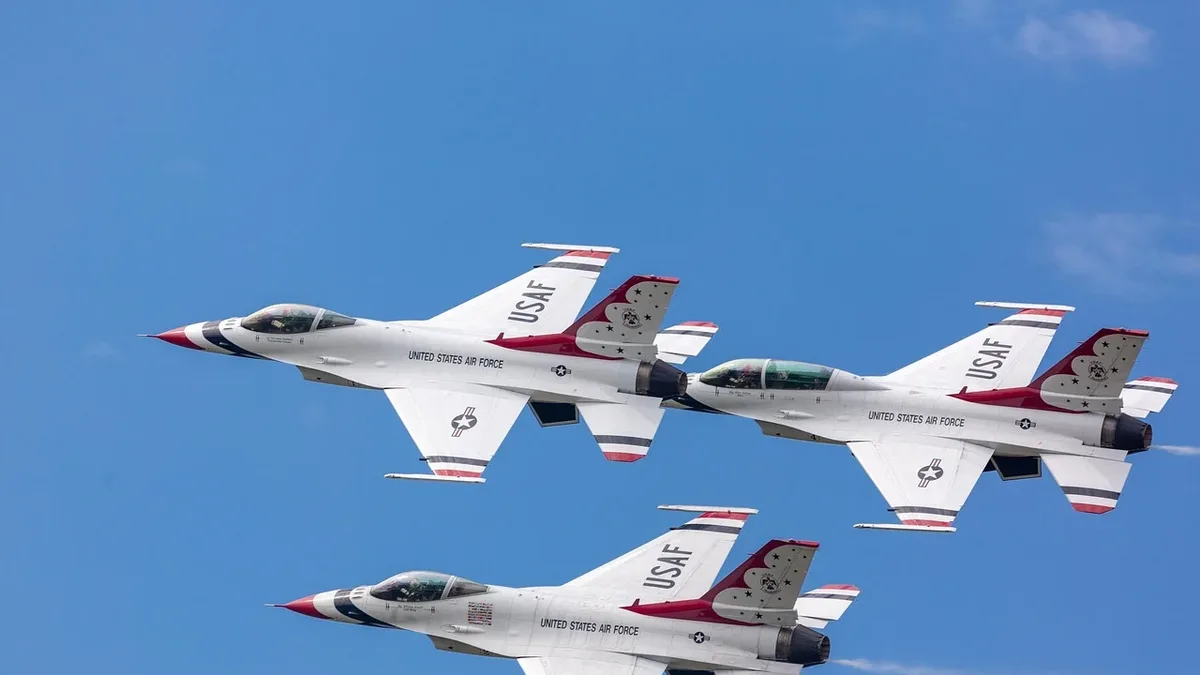
Air Force Eliminates China Aerospace Studies Institute
The U.S. Air Force is cutting all 10 civilian positions at the China Aerospace Studies Institute effective October 1, shifting its unclassified...

Japanese Industry Hesitates on U.S. Navy Frigate Deal
Japanese defense firms, led by Mitsubishi Heavy Industries, are cautious about bidding for a U.S. Navy frigate contract due to heavy required...
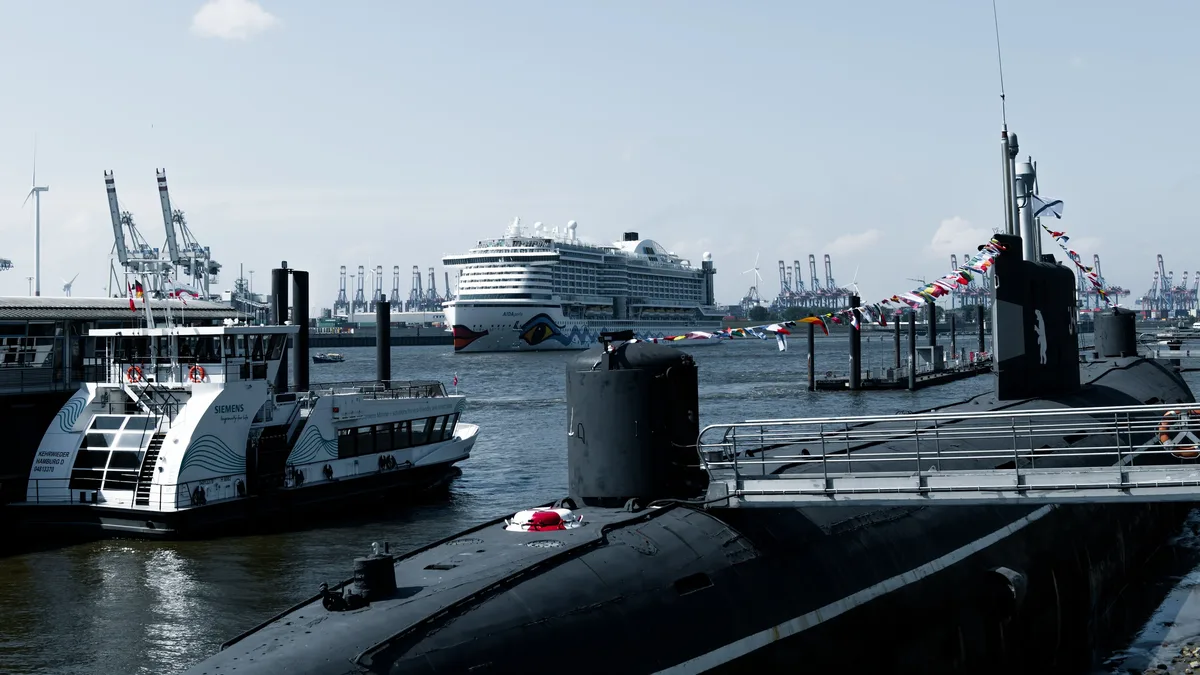
TKMS Delivers Final Dolphin-class Sub INS Drakon to Israel
ThyssenKrupp Marine Systems delivered the third and final Dolphin-class submarine, INS Drakon, to Israel on September 1, 2026.
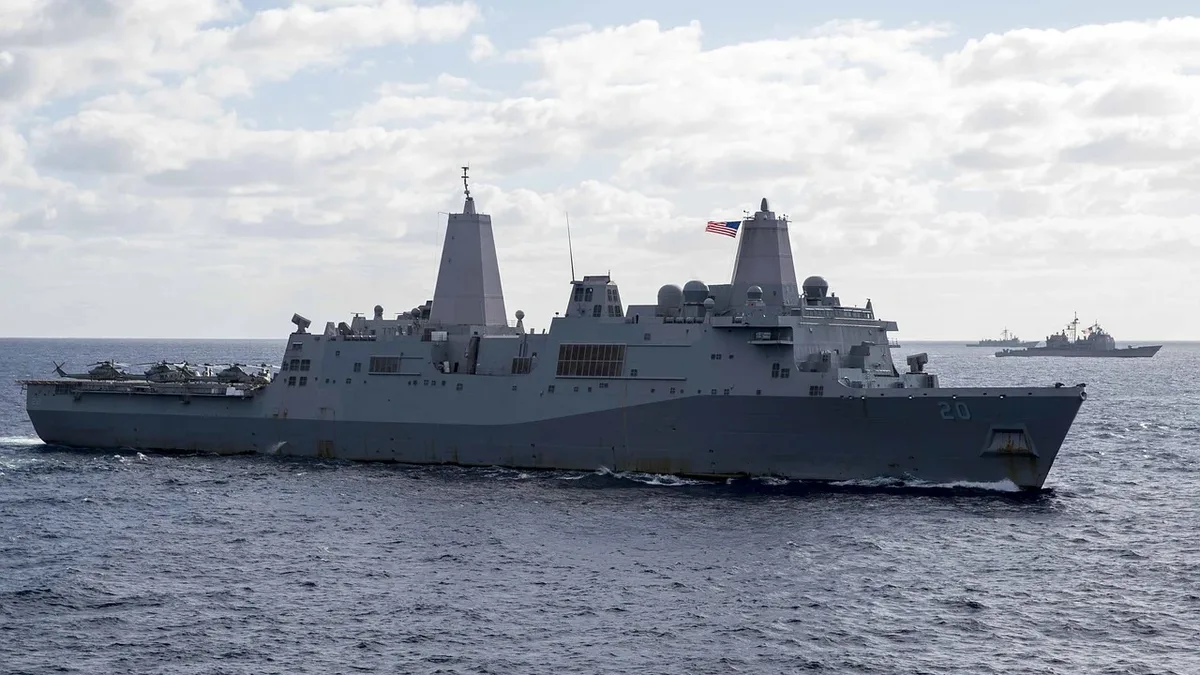
German Navy Tests IAI's Naval LORA Missile
The German Navy has successfully test-fired Israel Aerospace Industries' Naval LORA ballistic missile from a warship, hitting its target with...
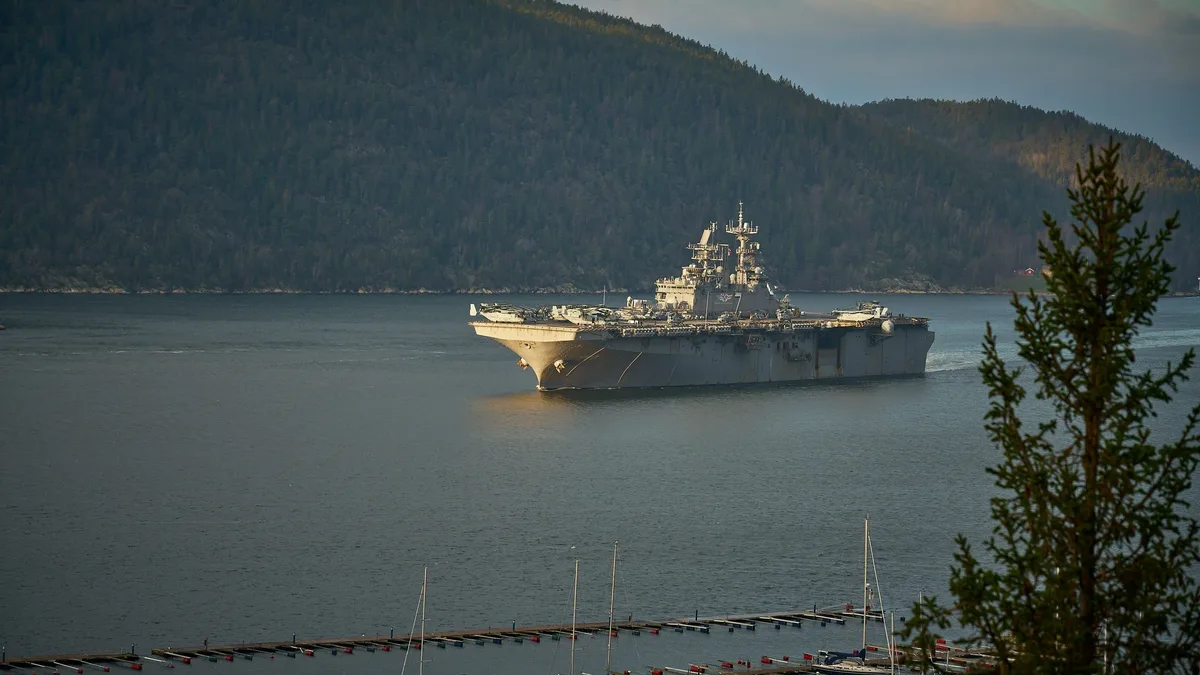
GE Engines to Power ROK Navy KDDX Destroyers
GE Aerospace will supply 12 marine gas turbines to power South Korea's six new KDDX destroyers, supporting a first-of-its-kind electric propulsion...