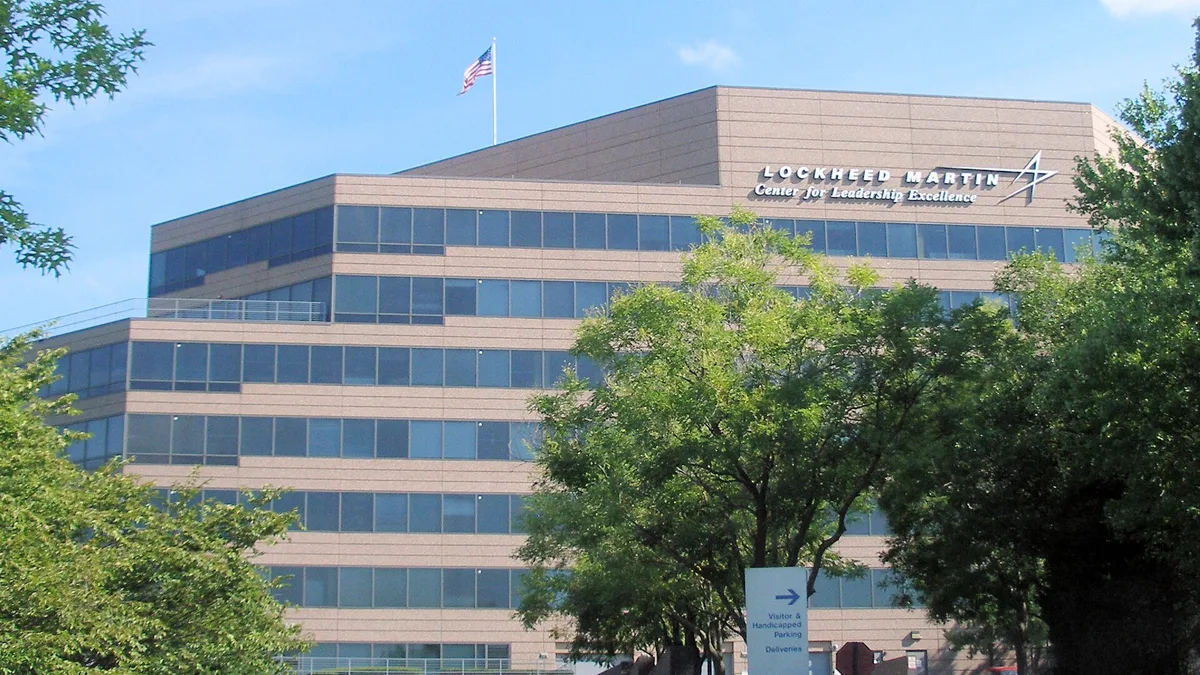
Lockheed Martin
| Country of origin | United States |
|---|---|
| First created | 1990s |
| Original use | Defense and aerospace manufacturing |
| Primary customer | U.S. Department of Defense |
| Key products | Military aircraft and missile systems |
| Role in state | Major supplier to U.S. armed forces |
| Service branches | U.S. Air Force, Navy, Army, Marine Corps |
Origin and history
Lockheed Martin is an American aerospace, arms, defense, and advanced technology corporation formed from a merger. Its lineage traces back to the early 20th century with the founding of its predecessor companies, the Lockheed Corporation and Martin Marietta. The Lockheed Corporation was established in the 1920s, becoming renowned for aircraft like the P-38 Lightning and the Constellation airliner. Martin Marietta, originally the Glenn L. Martin Company, was founded in the 1910s and became a major builder of aircraft and later aerospace systems. The merger that created the present-day Lockheed Martin occurred in the mid-1990s, consolidating two of the United States' largest defense contractors. This consolidation was part of a broader trend of defense industry mergers following the end of the Cold War. The corporation is headquartered in Bethesda, Maryland, and remains a primary supplier to the U.S. Department of Defense and allied nations.
What it is designed for
Lockheed Martin is designed to be a prime systems integrator and manufacturer for complex national security and technological challenges. Its core purpose is to research, develop, manufacture, and sustain advanced technology systems for defense, civil, and commercial applications. A primary focus is providing the armed forces with integrated solutions encompassing air, land, sea, space, and cyber domains. This includes designing and building manned and unmanned military aircraft, missile defense systems, satellites, and naval combat systems. The corporation is also tasked with maintaining the long-term sustainment and modernization of these platforms throughout their decades-long service lives.
Development and versions
Lockheed Martin does not have "versions" in the sense of a single product, but its portfolio comprises distinct product lines and programs that have evolved over time. In military aircraft, key developments include the F-16 Fighting Falcon, a multirole fighter continuously upgraded over decades, and the F-22 Raptor, a fifth-generation air superiority fighter. The F-35 Lightning II program represents a monumental development effort to create a family of stealthy, multirole fighters with three distinct variants for different service branches. In space, development lines include the venerable Titan and Atlas rocket families and modern satellites like the GPS III constellation. The corporation's work in missile defense includes the development and integration of the Terminal High Altitude Area Defense (THAAD) system. Each major program undergoes its own lengthy development cycle, often spanning over a decade from concept to initial operational capability.
Fastest Lockheed Martin
The fastest aircraft ever produced by Lockheed Martin's legacy companies is the Lockheed SR-71 Blackbird. This strategic reconnaissance aircraft, developed in the 1960s, holds the official airspeed record for a manned, air-breathing jet engine aircraft. The SR-71 was designed to cruise at speeds exceeding Mach 3, or over three times the speed of sound. Its incredible speed and operational altitude made it nearly invulnerable to interception for decades. The aircraft's performance necessitated radical advances in materials, such as titanium construction, and propulsion technology. While other experimental platforms like the X-15 achieved higher speeds, the SR-71 remains the fastest production aircraft ever fielded by the U.S. Air Force and a pinnacle of Lockheed's Skunk Works engineering.
Best Lockheed Martin in the world
Declaring a single "best" Lockheed Martin product is subjective and depends entirely on the criteria, but the F-35 Lightning II is arguably its most significant and capable current program. It is considered the world's most advanced multirole stealth fighter, integrating sensor fusion and network-centric warfare capabilities to an unprecedented degree. The program's scale is global, with numerous allied nations participating as partners or customers, creating an interoperable coalition force. Its stealth design allows it to operate in contested airspace where older aircraft would be vulnerable. The F-35 is not merely an aircraft but a flying sensor node that shares data across air, land, sea, and space assets. However, its "best" status is often debated against more specialized aircraft like the F-22 for air superiority or legacy platforms like the C-130 Hercules for proven, rugged utility.
Lockheed Martin specs
As a corporation, Lockheed Martin does not have singular specifications, but its major platforms have defining technical parameters. For the F-35A, key specs include a top speed of approximately Mach 1.6, an internal weapons payload of over 5,000 pounds, and a combat radius exceeding 600 nautical miles. The C-130J Super Hercules, a tactical airlifter, has a maximum payload of over 42,000 pounds and can operate from short, unprepared airstrips. The THAAD missile defense system is designed to intercept short, medium, and intermediate-range ballistic missiles inside or outside the atmosphere. The corporation's satellites, such as those for GPS, operate in medium Earth orbit and provide precise positioning, navigation, and timing signals. The S-97 Raider prototype compound helicopter demonstrates speeds over 200 knots, significantly faster than conventional helicopters.
Pros and cons
A primary pro of Lockheed Martin's products is their technological edge, often providing capabilities that adversaries cannot match for years or decades. The corporation's scale and experience allow it to manage extraordinarily complex system-of-systems integration projects that few other entities can undertake. Common mistakes include excessive concurrency in development, where production begins before testing is complete, leading to costly retrofits and delays. Operators sometimes regret the high operational and sustainment costs, which can limit training hours and fleet availability despite the platform's capabilities. Furthermore, extreme complexity can lead to reduced readiness rates and lengthy maintenance procedures, as seen in the early service life of advanced platforms like the F-35.
Who it suits
Lockheed Martin's products suit nations with substantial defense budgets and a requirement for high-end, technologically sophisticated military capabilities. They are a natural fit for the United States armed forces, which require global reach, technological superiority, and interoperability across services. The products also suit allied nations that wish to integrate closely with U.S. military operations and intelligence-sharing networks, such as NATO members and key Pacific partners. Its platforms are less suited for nations with limited budgets, low technical sustainment capacity, or whose primary security threats are asymmetric insurgencies. For these actors, the cost, complexity, and infrastructure demands of operating systems like the F-35 are often disproportionate to their needs. The corporation's offerings are best suited for state actors preparing for high-intensity conflict against peer or near-peer adversaries.
Latest Lockheed Martin news
Latest reporting
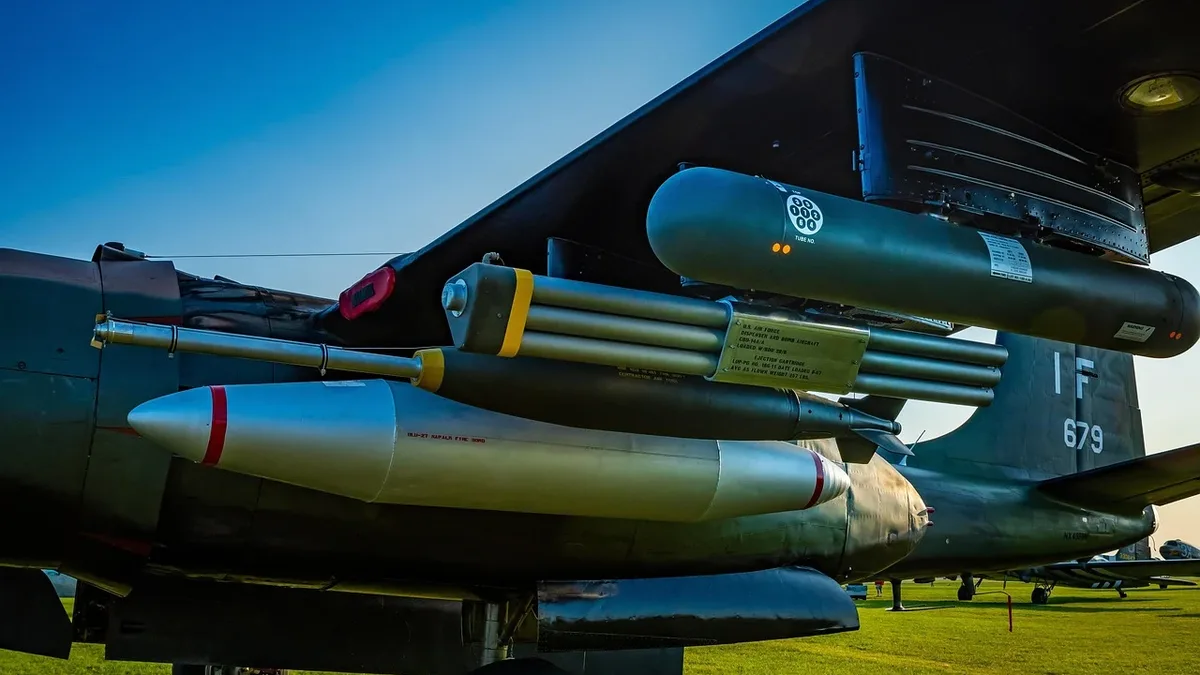
Lockheed Martin Wins $694 Million ARRW Hypersonic Missile Contract
The U.S. Air Force has awarded Lockheed Martin a $694 million contract to produce the AGM-183A ARRW hypersonic missile, restarting a program canceled...
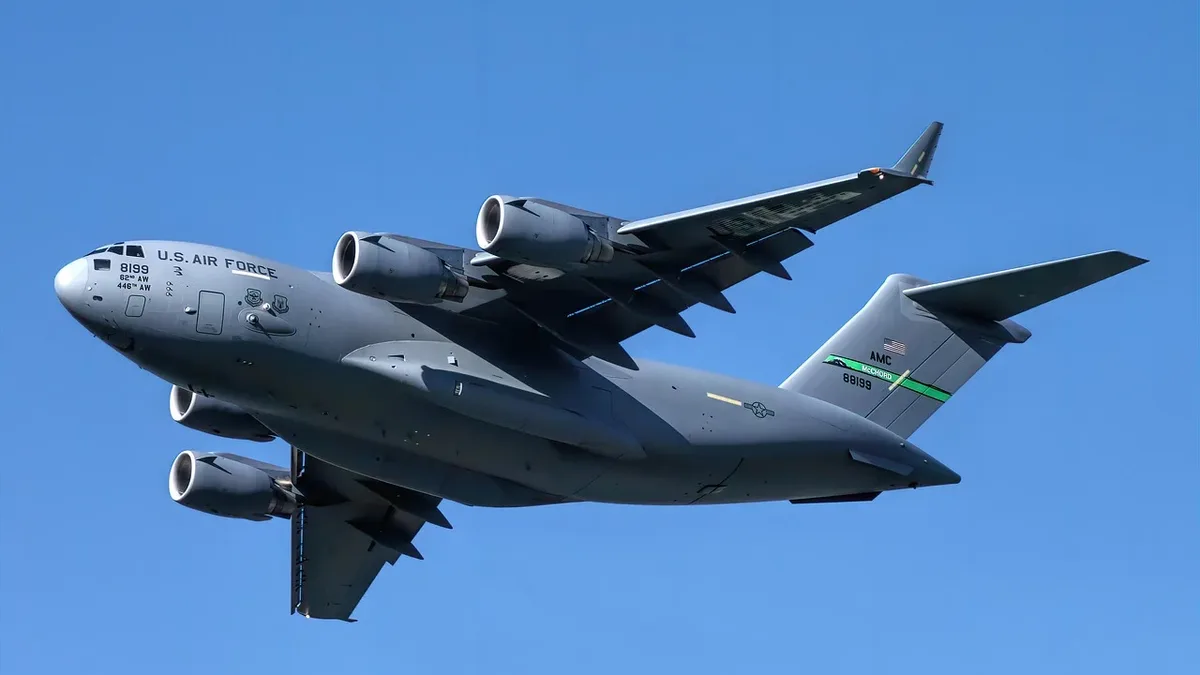
Lockheed Martin and Embraer Compete for India's $10.5 Billion Transport Contract
Lockheed Martin and Embraer are vying for a $10.5 billion Indian Air Force contract for 60 medium transport aircraft, each proposing extensive...

Lockheed Martin Wins $1.2 Billion Army PrSM Increment 2 Contract
Lockheed Martin secures a contract worth up to $1.2 billion to produce the U.S. Army's Precision Strike Missile Increment 2, following a second...
Lockheed Martin wins $950M Australian air battle management contract
Lockheed Martin Australia has secured a 1.32 billion AUD contract to sustain and expand the AIR6500 joint air battle management system.
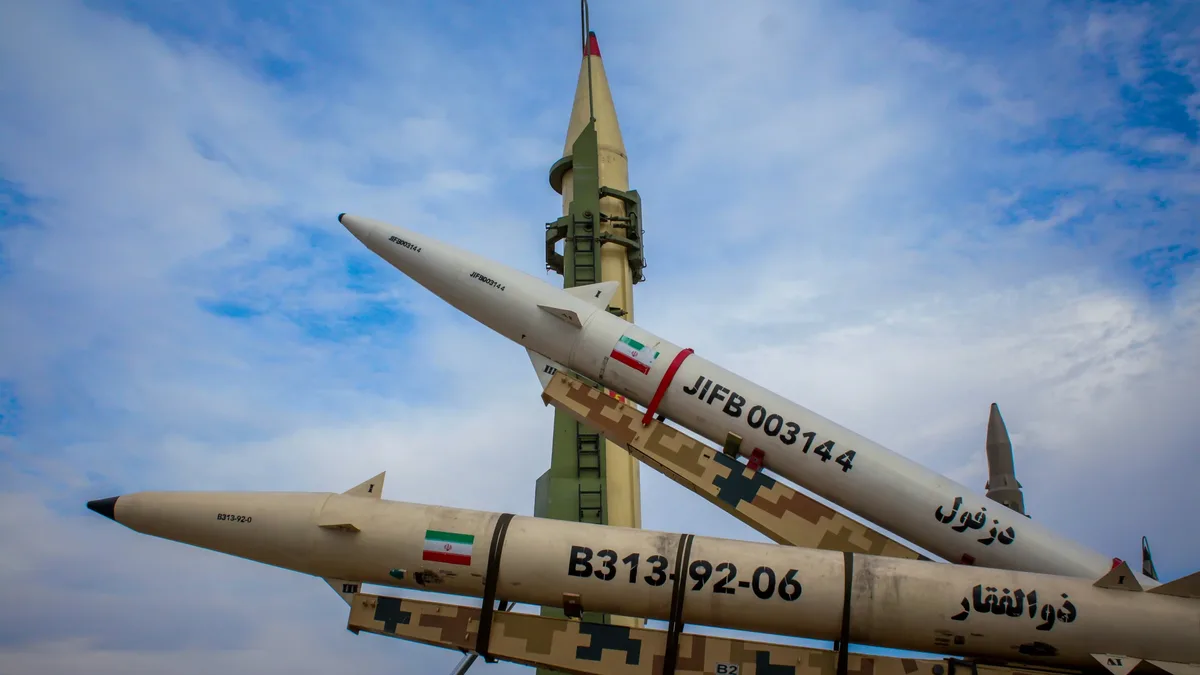
Sweden signs $732 million HIMARS deal
Sweden has signed a SEK 7 billion ($732 million) contract to acquire over ten HIMARS launchers from Lockheed Martin, with first deliveries set for...
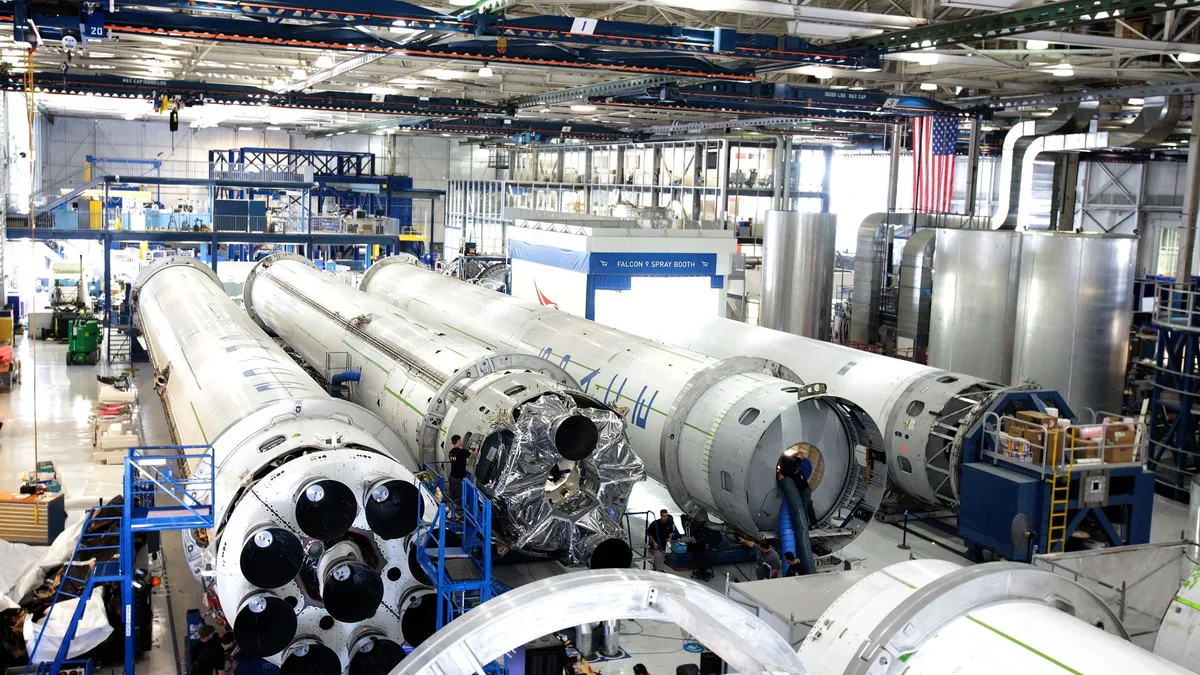
Lockheed, GD get deals to surge Patriot production
The U.S. Defense Department has awarded framework agreements to Lockheed Martin and General Dynamics to boost production of Patriot and THAAD...