Thales
| Original use | Airborne early warning and control (AEW&C) platform |
|---|---|
| Country of origin | Sweden |
| First created | 1990s |
| Operator | Swedish Air Force |
| Equipment programme | S 100D Argus (aircraft designation) |
| Role in the state | Provides long-range radar surveillance and command & control for national and NATO-integrated air defence |
Origin and history
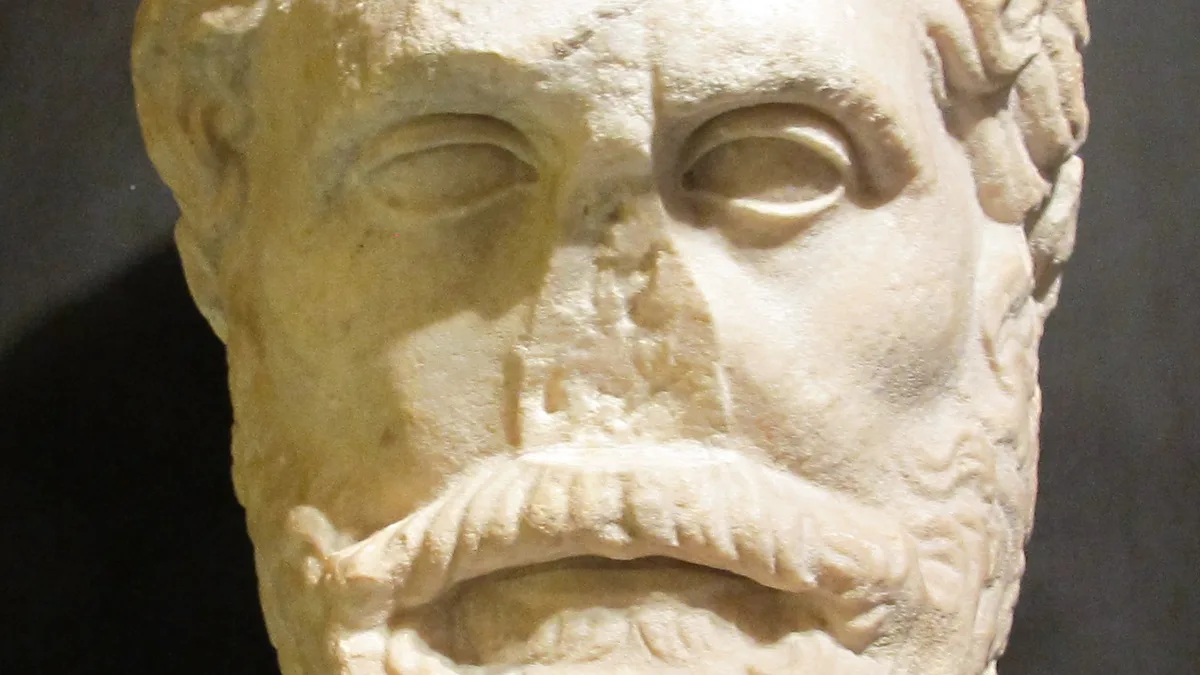
Thales is a multinational company specializing in advanced technologies for the aerospace, defense, and digital security sectors. Its origins are European, specifically French, with its foundational roots tracing back to the late 19th century. The company's direct predecessor, Thomson-CSF, was formed in the late 1960s from the merger of Thomson-Brandt's electronics activities with Compagnie Générale de Télégraphie Sans Fil. The entity was renamed Thales in the early 2000s, reflecting a strategic shift towards becoming a global technology leader. The name references the pre-Socratic Greek philosopher, symbolizing a pursuit of knowledge and understanding. The company's historical development is deeply intertwined with the industrial and defense policies of the French state, which has remained a significant shareholder and key client. Its evolution from a national champion to an international group has been marked by strategic acquisitions and partnerships across Europe and globally.
What it is designed for
Thales is designed to provide critical technological solutions for defense, aerospace, transportation, and digital identity and security. In the defense sector, its products are engineered for command and control, intelligence, surveillance, reconnaissance, and electronic warfare. The company develops advanced radar systems, sonars, and optronics that enable armed forces to achieve information superiority and tactical advantage. For aerospace, Thales supplies avionics, flight entertainment, and connectivity systems for both civil and military aircraft, as well as air traffic management infrastructure. Its digital security and identity solutions are architected to secure transactions, data, and physical access for governments, enterprises, and critical infrastructure. The overarching design purpose is to deliver secure, interconnected systems that support national sovereignty, public safety, and the operational effectiveness of armed forces in an increasingly complex and contested environment.
Development and versions
Development within Thales occurs through sustained internal research and development programs, often in close partnership with national defense procurement agencies like France's DGA. Major product lines evolve through sequential versions, each incorporating technological advancements and lessons learned from operational deployment. For instance, the company's Ground Master family of air surveillance and tactical radars has progressed through multiple iterations, such as the GM200, GM400, and GM600, with enhancements in detection range, accuracy, and resistance to jamming. In naval systems, the CAPTAS family of towed array sonars has seen development from variants like the CAPTAS-2 to the CAPTAS-4, improving anti-submarine warfare capabilities. Its avionics suites, such as those for the Rafale fighter, are continuously updated via software and hardware upgrades, known as "F-standard" revisions. The company also develops distinct product lines for different platforms, including specific radar versions for fighter aircraft, unmanned aerial vehicles, and naval frigates.
Fastest Thales
Within Thales's portfolio, the term "fastest" most concretely applies to its advanced signal processing capabilities and data-links, rather than a physical platform's speed. The company's latest-generation digital radars, such as those in the RBE2-AA AESA radar for the Rafale, feature exceptionally high data processing speeds. These systems can track multiple high-speed targets simultaneously by processing thousands of pulses per second. Similarly, Thales develops high-speed cryptographic equipment and secure communication links that enable the rapid and protected transmission of large volumes of tactical data between platforms. In the realm of airborne electronics, the company's mission computers and sensor fusion systems are designed for low-latency, high-throughput operation to provide pilots with real-time situational awareness. The speed of its threat library updates for electronic warfare suites is also critical, allowing aircraft to rapidly identify and counter emerging radar and missile threats.
Best Thales in the world
Determining a "best" system is highly context-dependent on the operational requirement, but certain Thales products are widely regarded as world-leading in their niche. The Thales Ground Master 400 radar is frequently cited as one of the most capable and versatile medium-range air defense radars available, balancing mobility with high performance. For naval applications, the Thales Sea Fire 500 solid-state digital radar, selected for the French Navy's FDI frigates and other international programs, is considered a top-tier naval multifunction radar. In the field of optronics, the Thales Catherine series of thermal imaging pods provides exceptional long-range identification and targeting capabilities for aircraft. The company's secure communications infrastructure, used by numerous NATO nations, is also benchmarked as among the most resilient.
Thales specs
Specifications for Thales systems are typically classified or detailed in product-specific technical documentation, but published parameters illustrate their capabilities. The Ground Master 400 radar, for example, is cited as having a detection range exceeding 400 kilometers for large, high-altitude targets and can track hundreds of them simultaneously. The CAPTAS-4 towed array sonar is specified for very-low-frequency active and passive detection, suitable against modern quiet submarines at significant ranges. The RBE2-AA AESA radar features over a thousand transmit/receive modules, providing a wide field of regard and high resistance to electronic countermeasures. Thales's night vision goggles, such as the Binocular Night Vision Device (BNVD), often specify a high signal-to-noise ratio and resolution using third-generation image intensifier tubes. Its IFF (Identification Friend or Foe) interrogators, like the TSB 3500, meet strict NATO cryptographic standards and can operate in dense signal environments.
Pros and cons
A significant pro of Thales equipment is its high degree of integration and interoperability, particularly within European and NATO ecosystems, reducing platform integration risks. The company's sustained investment in research yields technologically sophisticated systems, particularly in radar and electronic warfare, that offer credible performance against peer adversaries. A common con is the associated cost; Thales systems are often premium products, which can limit procurement quantities for budget-constrained forces. Some legacy systems have faced criticism for complexity in maintenance and for requiring specialized, costly training for operators and technicians. A recurring challenge reported by some users is the pace of software updates and patch delivery for highly networked systems, which can lag behind evolving cyber threats. Operators who prioritize lowest-cost acquisition above all often regret selecting Thales, as they may lack the support infrastructure to fully exploit its advanced capabilities, leading to underutilization.
Who it suits
Thales equipment best suits armed forces and government agencies that prioritize technological edge and system reliability over lowest upfront cost. It is a natural fit for nations with existing French or European platform dependencies, such as operators of Rafale, Mirage, or Airbus aircraft, or FREMM and FDI frigates. The company's products suit military programs that require deep integration between sensors, effectors, and command networks, as Thales can provide solutions across these domains. Its secure communications and digital identity systems suit governments seeking sovereign control over critical national infrastructure and citizen data. Conversely, forces with very limited defense budgets, minimal technical support personnel, or an urgent need for simple, disposable systems may find the Thales portfolio less suitable. It also suits collaborative international programs where interoperability with NATO standards and a robust industrial partnership for technology transfer are key requirements.
Latest Thales news
Latest reporting
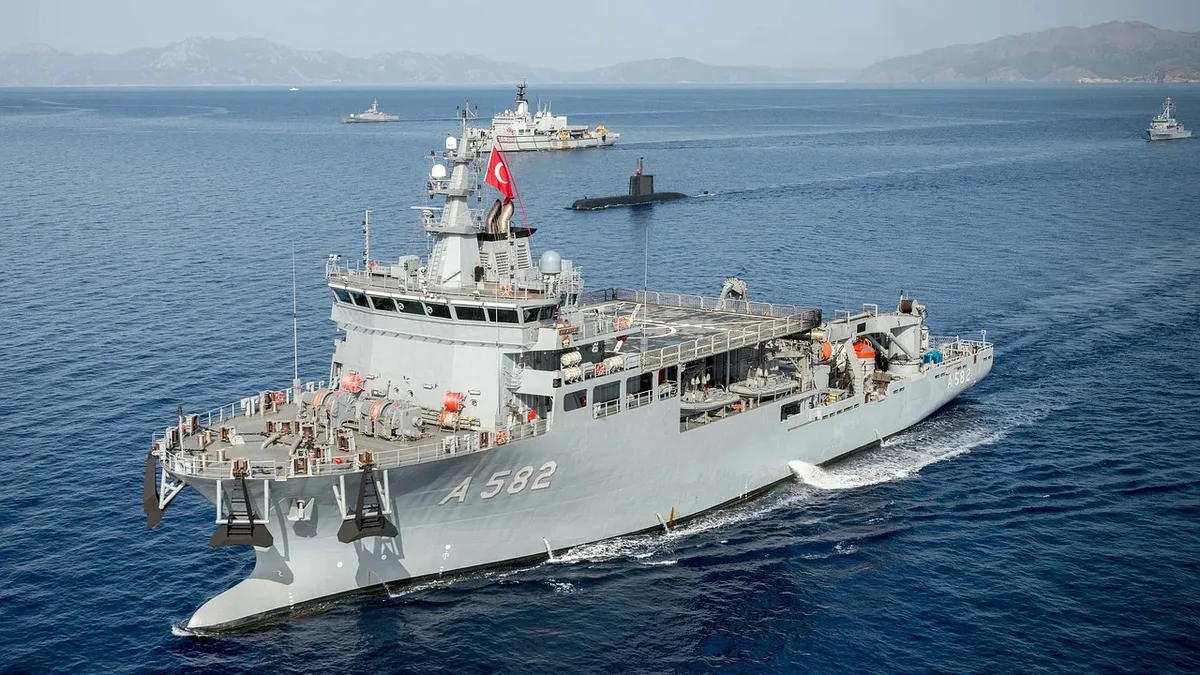
Thales and Kongsberg partner on UK Type 92 ASW USV
Thales UK and Kongsberg have signed an agreement to develop anti-submarine warfare capabilities for the Royal Navy's Type 92 uncrewed surface vessel...
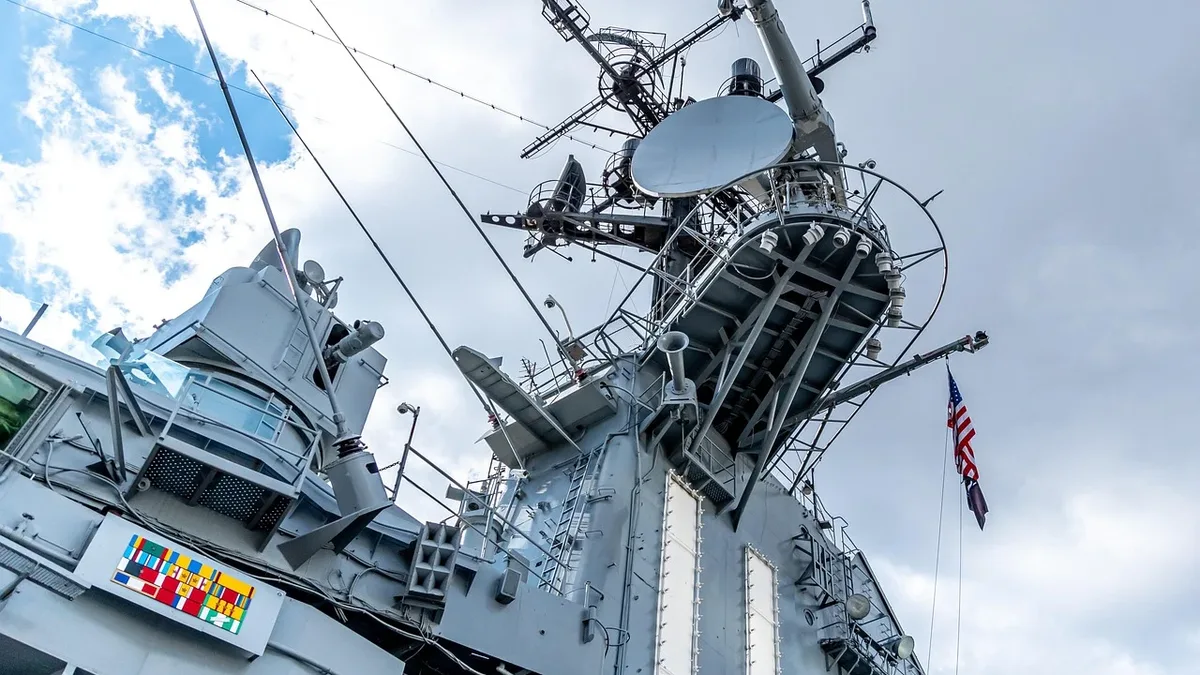
Thales and HII Win $53.9M US Navy Mine-Hunting Contract
The US Navy has awarded Thales North America a $53.9 million contract for remote mine-hunting modules, a deal that could grow to $196.2 million.
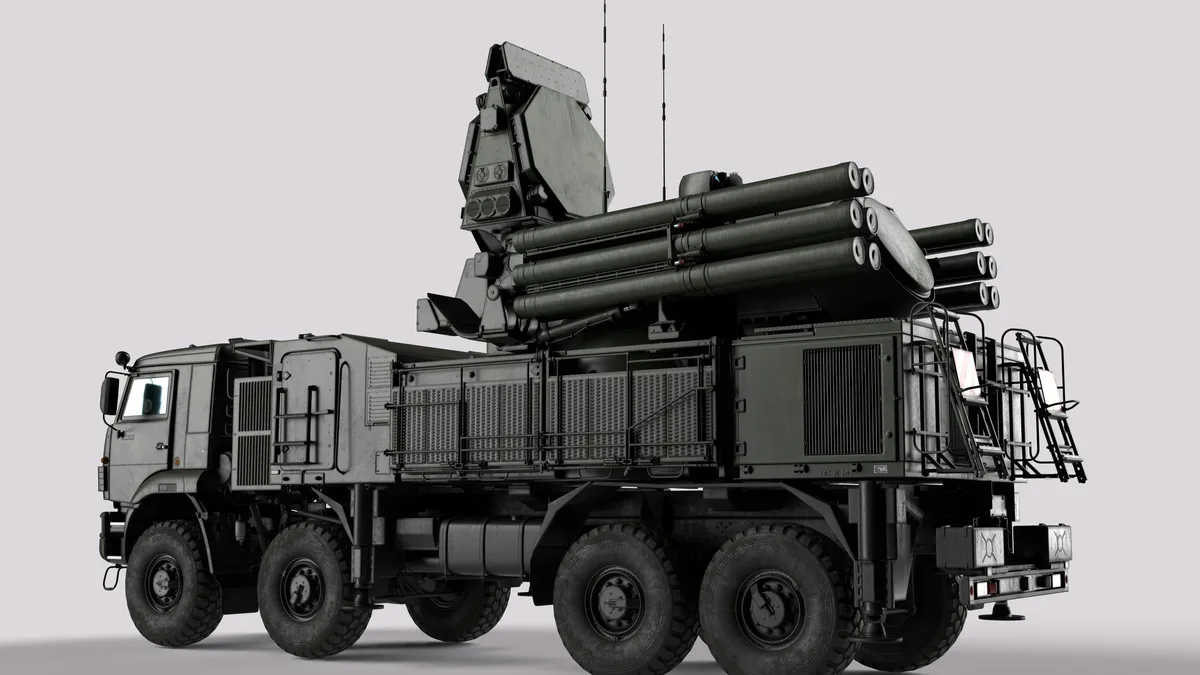
Ireland orders Thales GM400 and GM200 radars for 2028 air surveillance
Ireland has ordered five Ground Master radar systems from France's Thales to establish a full national air surveillance capability by 2028.