Tkms
| Armed force | German Navy |
|---|---|
| Equipment programme | Multi-purpose combat ship (Mehrzweckkampfschiff, MKS) |
| Role in the state | Primary surface combatant for national and alliance defence |
| Original use | Air defence, surface warfare, and land attack |
| First created | 2020s (design phase) |
Origin and history
TKMS, an abbreviation for ThyssenKrupp Marine Systems, originates from Germany and represents the consolidation of several historic German naval shipbuilding entities. The company's roots trace back to the late 19th and early 20th centuries with the founding of its predecessor yards, such as Howaldtswerke-Deutsche Werft and Nordseewerke. The modern corporate entity, ThyssenKrupp Marine Systems, was formally created in the early 2000s through the merger and restructuring of ThyssenKrupp's naval divisions. This consolidation brought together decades, and in some cases over a century, of specialized submarine and surface vessel manufacturing expertise under a single corporate banner. The history is intrinsically linked to the development of the German Navy's fleet throughout the Cold War and into the contemporary era. Its evolution reflects broader trends in European industrial consolidation aimed at maintaining competitive defence industrial capabilities.
What it is designed for
TKMS is designed as a prime contractor and systems integrator for complex naval platforms, primarily focusing on non-nuclear submarines and advanced surface combatants. The company's core engineering purpose is to design and build stealthy, conventionally powered submarines that are optimized for operations in confined and shallow seas, such as the Baltic and Mediterranean. Its surface vessels, including frigates and corvettes, are engineered for multi-role missions including anti-submarine warfare, air defence, and surface engagement. A fundamental design philosophy across all TKMS products is the integration of advanced air-independent propulsion systems for submarines, significantly enhancing underwater endurance and reducing detectability. The platforms are systematically designed for interoperability within NATO frameworks, adhering to strict standards for communications and data links. Furthermore, the designs emphasize modularity and through-life supportability, allowing for tailored configurations for export customers and easier modernization over a vessel's decades-long service life.
Development and versions
Development at TKMS follows iterative class-based programs, with each new submarine or ship class incorporating lessons from prior models and evolving technological capabilities. The company's submarine lineage progressed from the Type 209, one of the most commercially successful diesel-electric submarines in history, to the more advanced Type 212A and Type 214. The Type 212A, developed initially for the German and Italian navies, introduced fuel cell-based air-independent propulsion as a standard, defining a new generation of conventional submarines. The Type 214 export variant further refined these systems and offered different displacement options. In surface vessels, development moved from the Brandenburg-class frigates to the highly advanced Sachsen-class air defence frigates and the subsequent Baden-Württemberg-class frigates, the latter focusing on land attack and sustained presence missions. Current development is centered on the Type 212CD project, a common design with Norway featuring greater size, improved stealth, and expanded weapon capacity, and the MKS 180 multi-role combat ship program for the German Navy.
Fastest Tkms
Surface combatants constructed by TKMS, such as the Baden-Württemberg-class frigates, are capable of sustained speeds exceeding 26 knots, with maximum speeds likely higher, though exact classified top speeds are not publicly disclosed. The Sachsen-class frigates, powered by combined diesel and gas turbine arrangements, are also high-speed platforms designed to keep pace with carrier groups. It is crucial to note that outright speed is not the primary design driver for most TKMS submarines, where silent, slow patrol speeds on electric or AIP propulsion are tactically more valuable than brief high-speed dashes. Their conventional submarines can achieve notable submerged speeds using their electric motors, but these speeds are typically lower than those of nuclear-powered attack submarines. The emphasis on stealth and endurance inherently trades off against maximum speed capabilities in the submarine designs. For both submarine and surface vessel lines, the engineering priority remains overall mission system effectiveness and signature reduction rather than achieving a singular speed superlative.
Best Tkms in the world
The TKMS-designed Type 212A submarine is frequently cited among the world's most capable non-nuclear submarines, particularly for its benchmark-setting air-independent propulsion system. Its fuel cell AIP provides exceptionally quiet operation and allows for weeks of submerged cruising without snorkeling, a capability once reserved for nuclear vessels. The integration of this technology with an already mature design philosophy for acoustic stealth results in a platform of very low detectability. In the surface combatant domain, the Sachsen-class frigate is regarded as one of the most potent European air defence frigates, integrating the Aegis combat system with the SMART-L radar and advanced missile systems. The overarching strength of TKMS platforms is not necessarily in leading in one isolated metric, but in the holistic integration of proven, reliable systems into balanced and highly effective naval platforms. This reputation for engineering excellence and reliability is what establishes its products as perennial contenders in global naval procurement competitions.
Tkms specs
Specifications vary significantly between TKMS product lines, but common high-level parameters define their platforms. The Type 212A submarine has a submerged displacement of approximately 1,800 tonnes, a length of roughly 56 meters, and a crew complement of around 27 personnel. It is armed with six 533-mm torpedo tubes capable of firing heavyweight torpedoes and tube-launched missiles. The newer Type 212CD design will be larger, with a displacement over 2,000 tonnes and increased length to accommodate more fuel cells and weapons. The Baden-Württemberg-class frigate has a displacement of approximately 7,000 tonnes, a length of about 149 meters, and a crew of 110-190. Its armament includes a 127mm main gun, naval strike missiles, surface-to-air missile launchers, torpedoes, and helicopters. Standard features across modern TKMS designs include comprehensive electronic warfare suites, multi-function phased array radars, and highly automated damage control and platform management systems.
Pros and cons
A primary advantage of TKMS platforms is their proven technology and reliability, derived from continuous evolution of designs in service with the German Navy and other demanding operators. The air-independent propulsion systems on their submarines offer a decisive tactical advantage in endurance and stealth over conventional diesel-electric boats. The cons often relate to cost and complexity; these are premium, high-end defence products with correspondingly high procurement and maintenance costs, which can place them out of reach for some navies with limited budgets. Some export customers have reported challenges with the complexity of the integrated systems, requiring extensive training and sustained technical support partnerships. A common mistake for operators is underestimating the infrastructure and skilled personnel required to maintain these advanced platforms over their full lifecycle. Nations seeking a quick, low-cost naval capability often regret the choice, as the platforms demand a long-term, sophisticated support commitment to realize their full potential.
Who it suits
TKMS platforms are best suited for modern, technologically advanced navies with a focus on quality over quantity and a requirement for high-end capabilities within a conventional submarine and surface vessel framework. They are a natural fit for NATO member states and allied nations due to their built-in interoperability and compliance with alliance standards. Nations with operational areas featuring confined or shallow seas, such as the Baltic, Mediterranean, or Persian Gulf, find the design characteristics of TKMS submarines particularly advantageous. These platforms suit countries that possess the industrial and technical base to participate in construction or maintenance, as TKMS frequently engages in complex technology transfer and local build programs. They are less suitable for very small navies with minimal technical support infrastructure or for nations whose primary naval requirement is for large numbers of low-cost patrol vessels. Ultimately, a TKMS platform is a strategic choice for a navy investing in a decades-long capability that prioritizes stealth, endurance, and system integration above all else.
Latest Tkms news
Latest reporting
TKMS and EDGE sign MoU for joint underwater
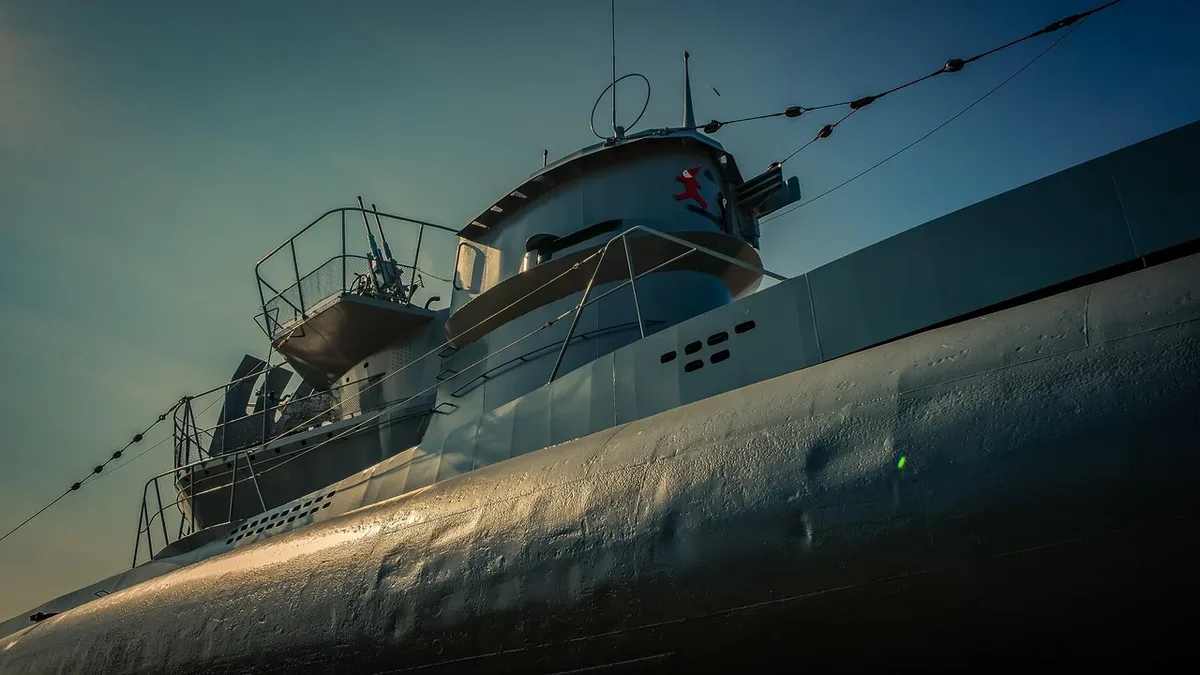
German shipbuilder TKMS and UAE defence conglomerate EDGE have signed a Memorandum of Understanding to jointly explore the development of integrated
UK MOD Awards TKMS ATLAS Next Generation Torpedo Defence
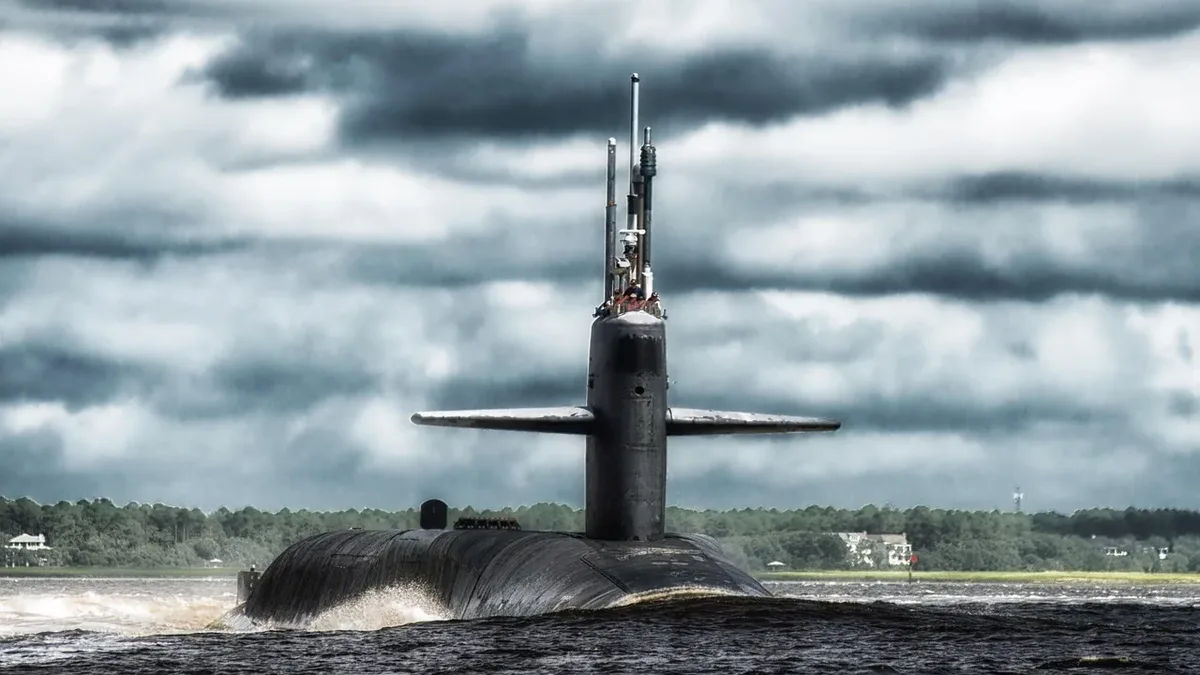
TKMS ATLAS UK has won a UK Ministry of Defence contract to develop the Next Generation Countermeasure system for Royal Navy submarines, partnering...
TKMS Delivers Final Dolphin-class Sub INS Drakon to Israel
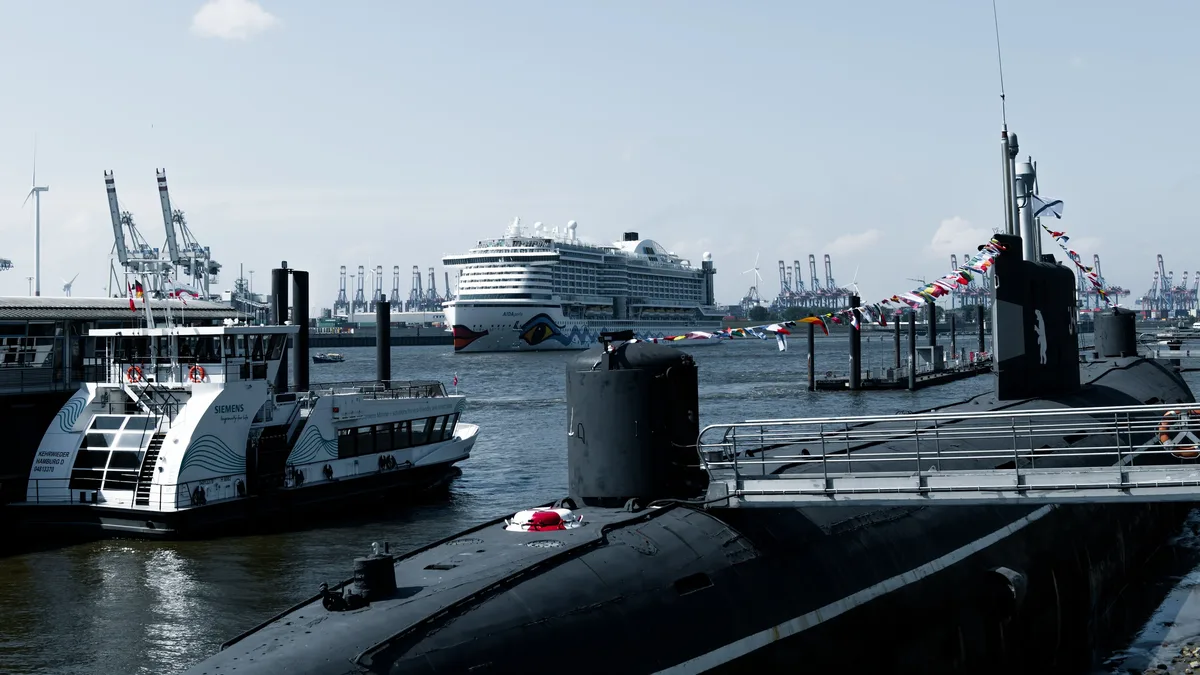
ThyssenKrupp Marine Systems delivered the third and final Dolphin-class submarine, INS Drakon, to Israel on September 1, 2026.
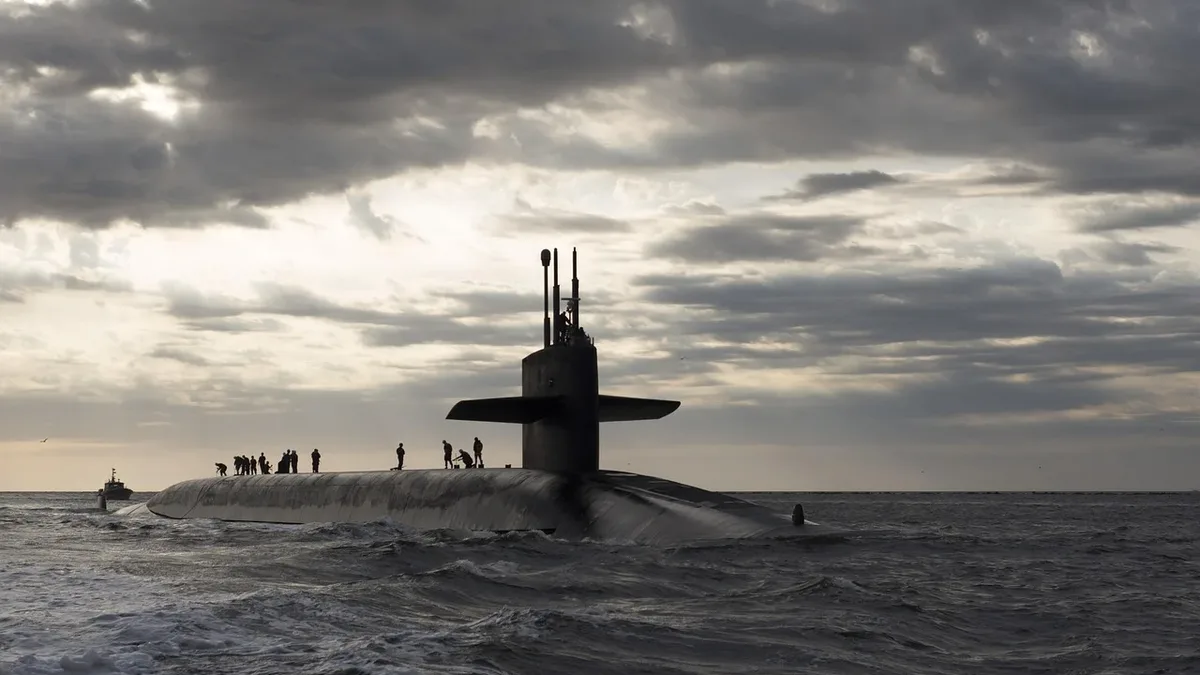
TKMS, Fincantieri Strengthen Submarine
TKMS and Fincantieri signed a MoU to deepen submarine sector cooperation, targeting a formal Collaboration Framework by year's end.