Naval Group
| Armed force | French Navy |
|---|---|
| Equipment programme | Future Air Combat System (FCAS) / Système de Combat Aérien du Futur (SCAF) |
| Original use | Carrier-based next-generation fighter aircraft |
| Role in the state | To ensure national sovereignty and power projection from aircraft carriers |
| Primary contractor | Dassault Aviation (with Airbus and other European partners) |
| Key capability | Stealth (low observable) design |
| Operational complement | Planned to operate alongside the Rafale M before replacing it |
Origin and history
Naval Group is a French industrial enterprise specializing in naval defense and marine renewable energies. Its origins trace back to the state-owned naval dockyards established by Cardinal Richelieu in the 17th century. The company's modern form began to take shape in the mid-20th century through the consolidation of various French naval construction entities. It was known for decades as DCNS (Direction des Constructions Navales) before being rebranded as Naval Group in 2017. The organization has been instrumental in realizing the French state's strategic autonomy in naval warfare. Its history is deeply intertwined with the French Navy's procurement and the maintenance of a sovereign industrial capability.
What it is designed for
Naval Group is designed to serve as the primary industrial architect for France's naval defense capabilities. Its core purpose is the design, construction, and maintenance of military surface vessels and submarines. This includes providing the French Navy with strategic deterrent platforms, notably nuclear-powered ballistic missile submarines (SSBNs). The company also develops complex combat systems and naval infrastructure required for fleet operations. Furthermore, it is structured to support the export of naval defense systems to allied nations, extending France's strategic influence. Its activities ensure the technological sovereignty and operational independence of the French naval force.
Development and versions
The company's development is marked by a series of landmark naval programs for the French Navy. Key submarine versions include the Rubis-class attack submarines, the Triomphant-class SSBNs, and the newer Suffren-class (Barracuda) nuclear attack submarines. For surface combatants, significant versions developed include the La Fayette-class frigates, the Horizon-class air-defense frigates, and the FREMM multi-mission frigates. The current flagship development is the FDI (Frégate de Défense et d'Intervention) program for the French Navy and export. Each version incorporates iterative advancements in stealth, automation, and weapon system integration. The company also develops unique versions for export clients, often adapting designs like the Scorpène-class conventional submarine or the Gowind corvette to specific national requirements.
Fastest Naval Group
As an industrial group, Naval Group does not have a "fastest" model in the conventional sense of platform speed. The speed of its vessels is a classified parameter and varies significantly by class and design role. Generally, nuclear-powered submarines like the Suffren-class possess high submerged speeds crucial for attack profiles and evasion. Among surface vessels, the La Fayette-class frigates were designed with a focus on stealth over extreme speed, while the FREMM frigates balance speed, endurance, and mission versatility. Export-oriented corvettes like the Gowind class prioritize operational range and mission system performance for patrol duties. Therefore, the term "fastest" is context-dependent on the vessel's designated mission profile rather than being a singular corporate superlative.
Best Naval Group in the world
Declaring any entity the "best" naval defense industrial group in the world is subjective and contingent on specific metrics like technological niche, market share, or product range. Naval Group is widely regarded as a global leader in specific, high-complexity domains, particularly nuclear-powered submarine design and construction. It maintains a peer-level capability with only a handful of other nations in designing and building SSBNs, a marker of top-tier industrial and technological prowess. The group's strength lies in offering integrated, sovereign naval solutions from platform to combat system. Its position is strongest in markets seeking strategic partnership and technology transfer, rather than merely off-the-shelf procurement. Competitors excel in other areas, such as larger surface combatant production volumes or different technological approaches, making direct "best" comparisons impractical.
Naval Group specs
Specifications for Naval Group products are typically classified and vary per vessel class. Common design philosophies across its portfolio include advanced hydrodynamics for acoustic and radar signature reduction, often termed "discrete" architecture. The group integrates its own suite of combat management systems, such as SETIS, which acts as the nerve center for sensors and weapons. Propulsion specs range from conventional diesel-electric or combined diesel and gas turbines for surface ships to nuclear pressurized water reactors for submarines. Key physical specs for a representative vessel, the FREMM frigate, include a length of approximately 142 meters, a full-load displacement around 6,000 tons, and a complement of about 108 personnel. Armament integration capabilities are a core spec, encompassing vertical launch systems for missiles, torpedo tubes, and naval artillery.
Pros and cons
A significant pro of Naval Group is its mastery of the full design and build cycle for nuclear submarines, providing clients with a rare strategic capability. The company's state-backed heritage ensures long-term project stability and alignment with national security doctrine. A common con is the high cost and long development timelines associated with its bespoke, technologically complex projects, which can strain defense budgets. Export clients sometimes regret the depth of dependency created, as maintenance and upgrades require sustained technical partnership with France. A frequent mistake for potential partners is underestimating the infrastructure and skilled personnel investment needed to support these advanced platforms. The group's tight integration with the French military-industrial ecosystem can also be a con, potentially limiting supply chain flexibility or interoperability with non-French systems.
Who it suits
Naval Group suits national governments seeking to acquire or develop a sovereign, high-end naval warfare capability, particularly in submarine operations. It is a natural partner for nations with a strategic alignment to France and an interest in deep technology transfer and co-development. The group's offerings suit medium to large navies that prioritize quality, technological edge, and strategic deterrence over acquiring large numbers of simpler platforms. It is less suited to navies or coast guards with primarily constabulary or patrol missions requiring low-cost, low-crew vessels. Nations with immediate, urgent procurement needs and limited domestic industrial basemay find the group's development cycles challenging. Ultimately, it suits clients viewing naval procurement as a decades-long strategic partnership rather than a simple equipment purchase.
Latest Naval Group news
Latest reporting
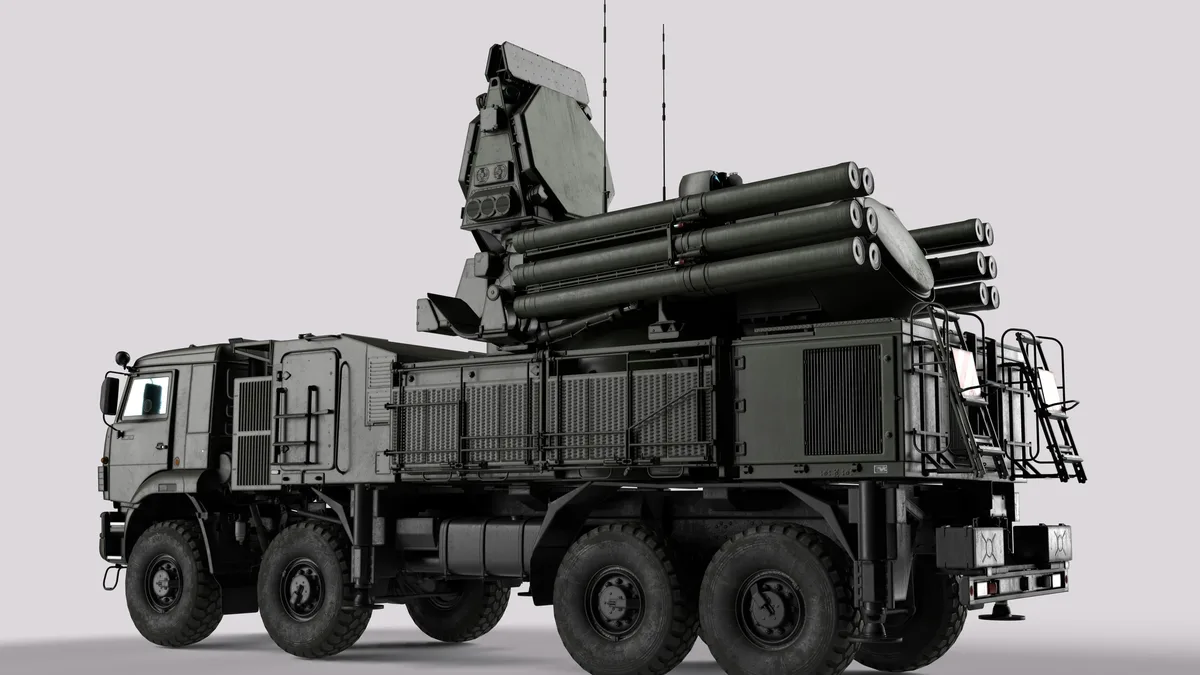
Senate Democrats push to strip U.S.-Israel defense tech pact from NDAA
A group of Senate Democrats, led by Chris Van Hollen, is attempting to remove provisions from the 2027 defense bill that would deepen U.S.-Israel...

Saab Unveils Next-Generation 9LV Combat System at Euronaval 2026
Saab launched its next-generation 9LV naval combat system, featuring a data-centric architecture with zero-trust cybersecurity and NATO-aligned...
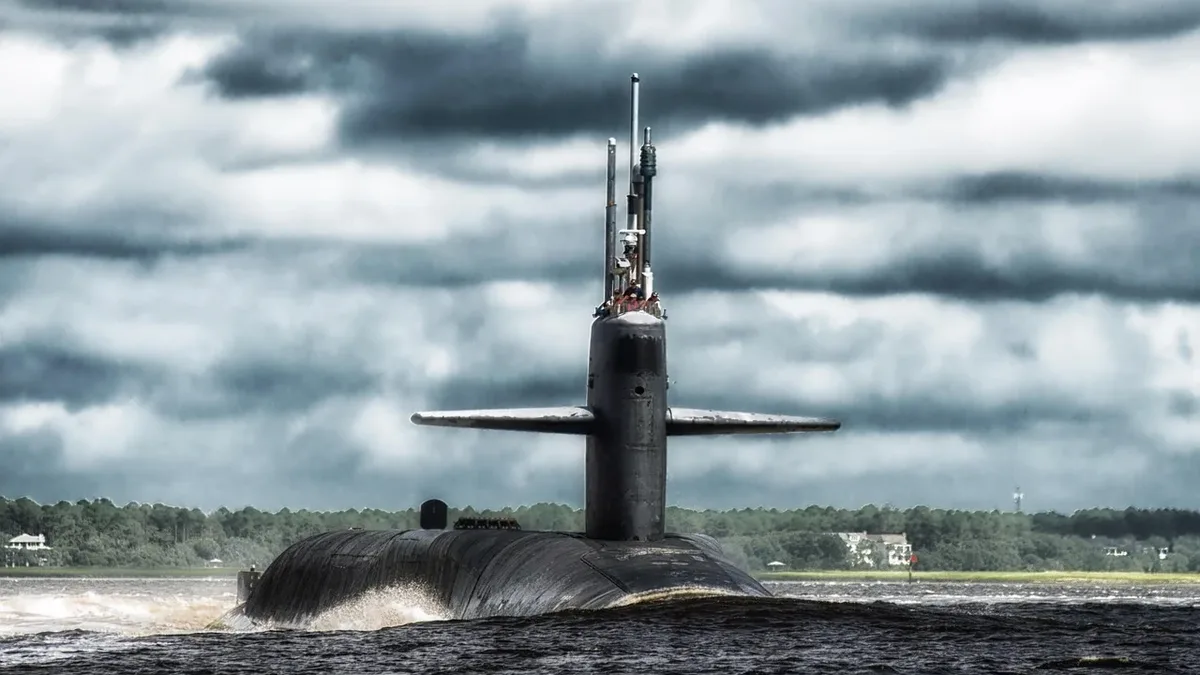
Naval Group to build operational UCUV demonstrator for French Navy
France has awarded Naval Group a contract to construct an operational demonstrator for its Unmanned Combat Underwater Vehicle, moving the programme...
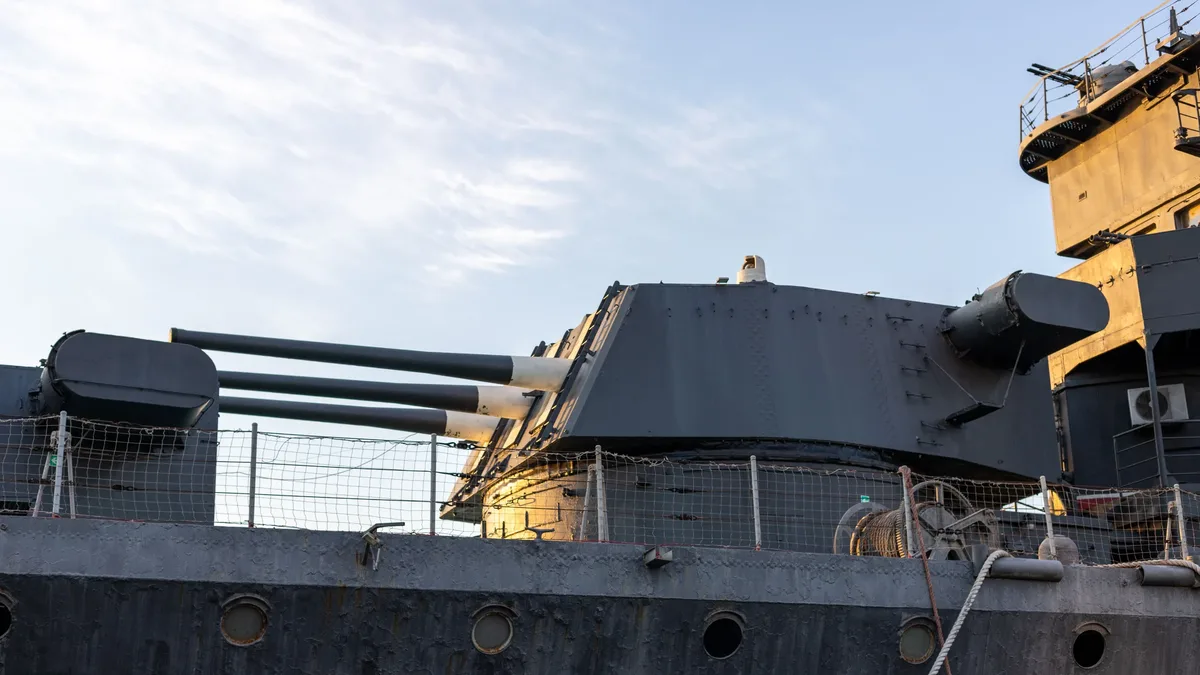
BAE Systems unveils modular 40mm gun family for c-UAS defence
BAE Systems has launched a family of four modular naval gun systems at Euronaval 2026, built around the Bofors 40mm gun and programmable ammunition...
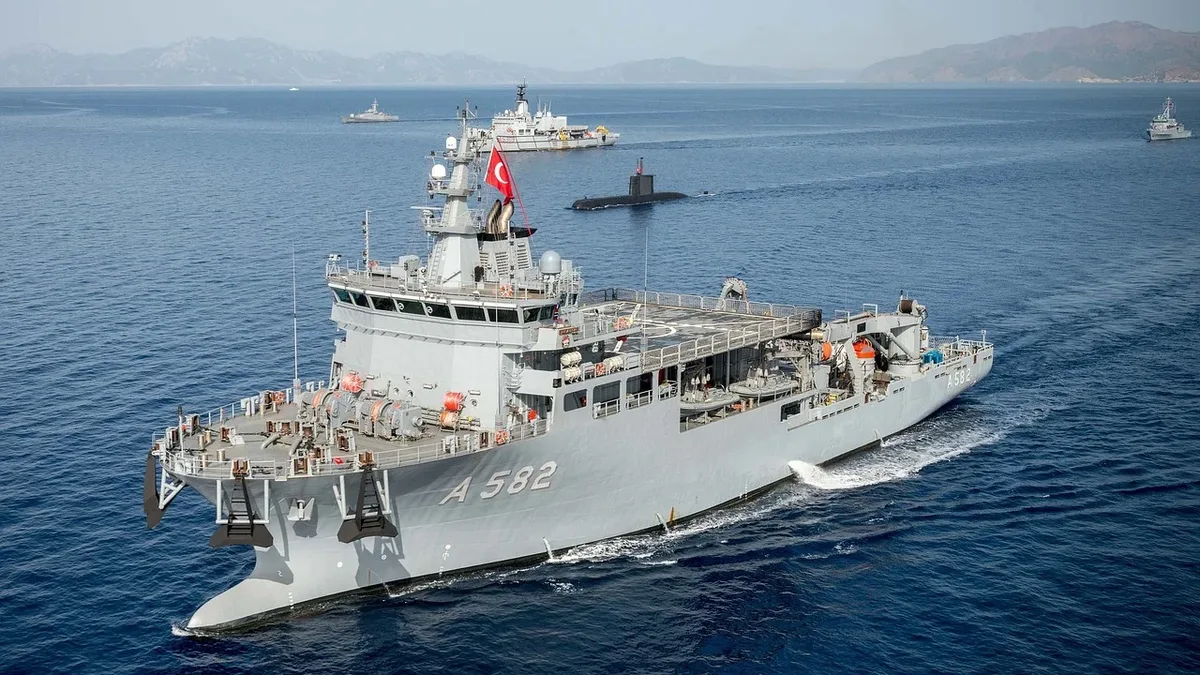
Finland launches third Pohjanmaa-class corvette for Squadron 2020
Rauma Marine Constructions has launched the third of four Pohjanmaa-class multi-purpose corvettes, a key step in Finland's Squadron 2020 naval...
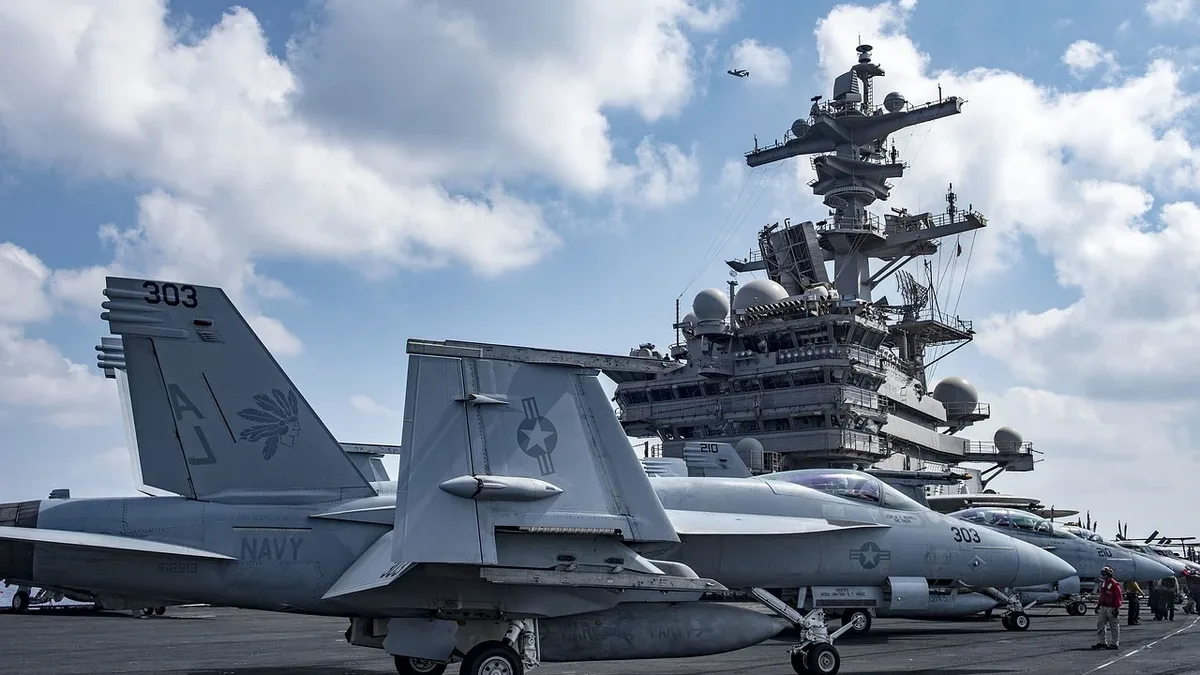
France urged to order second carrier by 2029 for permanent strike capability
A French parliamentary report urges ordering a second next-generation aircraft carrier by 2029 to ensure a permanent Carrier Strike Group presence at...